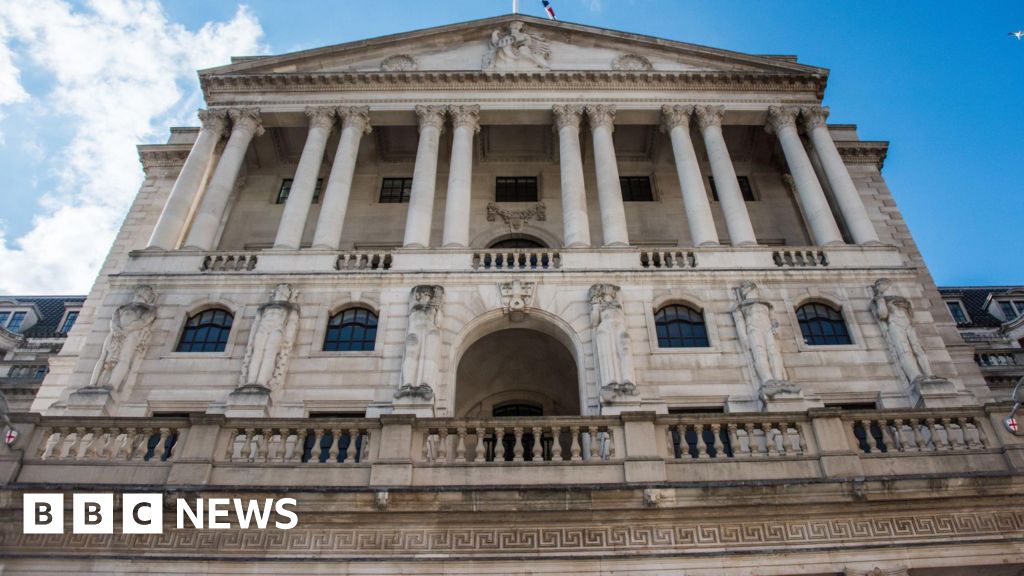
The Bank of England is expected to keep its benchmark rate at 3.75% for a fourth consecutive meeting on Thursday, as a surprise US-Iran peace deal defuses the energy-driven inflation threat that had the Monetary Policy Committee warning of hikes just two months ago.
Analysts widely predict the MPC will hold steady at noon BST. Wednesday's inflation print reinforced that view. UK CPI held at 2.8% in the year to May, below the 3%+ that some forecasters had expected after the Iran conflict pushed oil above $100 a barrel. The Office for National Statistics said transport costs rose the fastest, while food price inflation eased to a 17-month low as meat, dairy, and vegetable price increases slowed.
The lower-than-expected figure changes the calculus from April, when the MPC warned rates could rise this year to contain what it called a "significant energy price shock" from the war. That scenario has shifted sharply. President Donald Trump said Wednesday that a peace deal with Iran was signed, clearing the way for the Strait of Hormuz to reopen. The waterway normally carries a fifth of the world's oil and gas supplies. Oil prices have dropped close to their lowest since the conflict began as traders price in the return of free-flowing tanker traffic.
Analysts said the deal should slow energy and fuel price rises, making the worst-case inflation scenarios unlikely. The reprieve may be temporary. UK households face a 13% increase in the Ofgem price cap in July, which governs most domestic energy bills. Victoria Scholar, head of investment for Interactive Investor, called the current data "the calm before the storm." UK inflation is expected to accelerate over the summer after the cap increase, she said, when the country will likely hit peak inflation.
Some analysts predict no further rate rises for the rest of the year, though the situation remains highly uncertain. The European Central Bank raised rates last week for the first time in almost three years, citing the conflict's inflation pressures. The BoE's base rate influences mortgage costs directly. As of June 17, the average rate on a new two-year fixed mortgage stood at 5.60%, up from 4.83% at the start of March when the war began, according to Moneyfacts. Five-year deals averaged 5.57%, up from 4.95% over the same period.
The MPC announces its decision at noon BST Thursday.
For a broader look at how central banks are navigating the post-conflict rate path, see our market analysis.