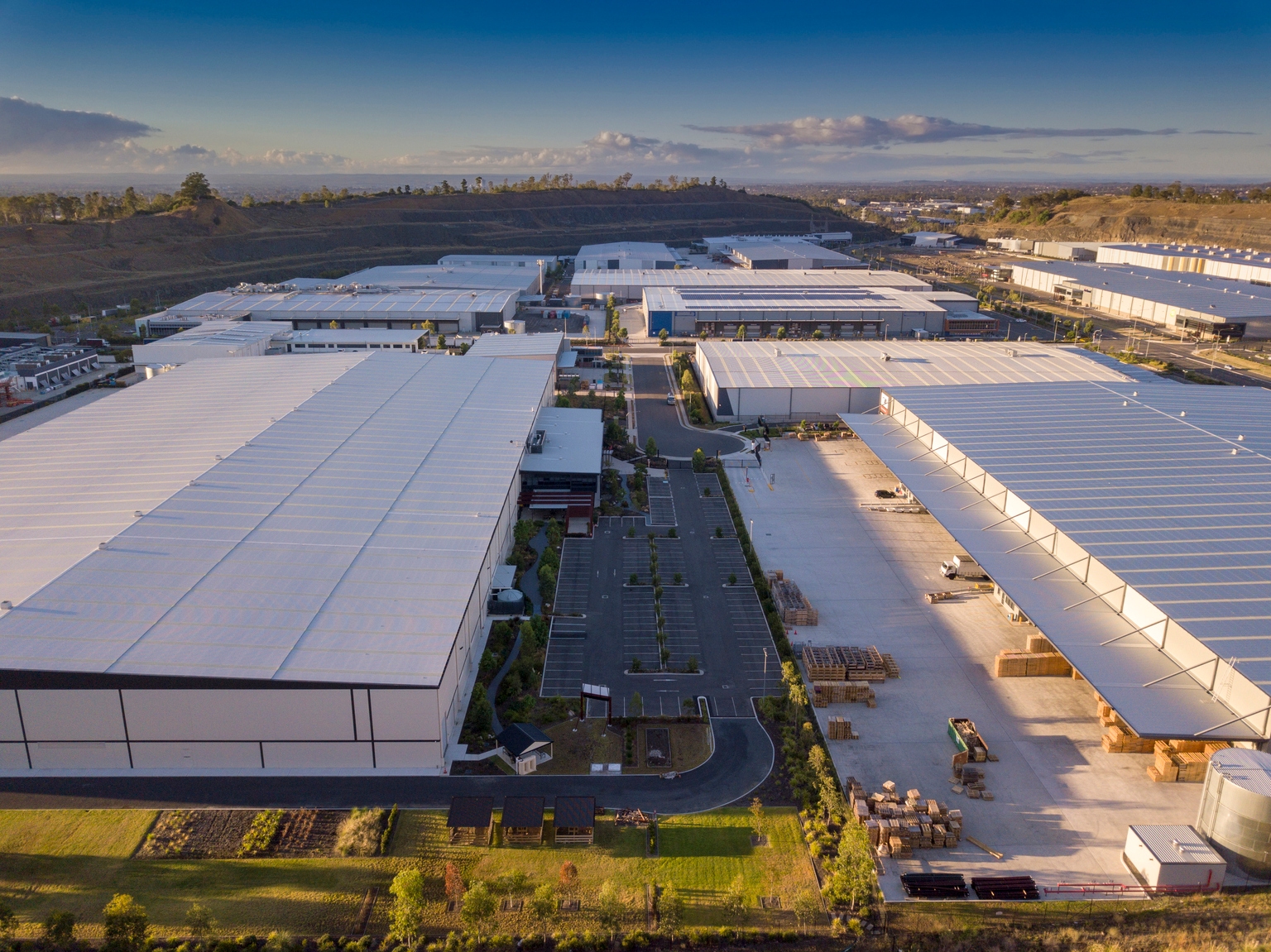
Broadstone Net Lease reported a margin recovery in the fourth quarter, a Seeking Alpha analysis found. The net lease REIT, which owns properties leased to investment-grade tenants, saw operating margins improve as vacancy costs fell and rent coverage held steady. The improvement supports funds from operations, which underpins the dividend. BNL's payout ratio stood at roughly 80% of FFO heading into Q4. A wider margin pushes that closer to 75%, providing a cushion against rate increases.
Net lease REITs pass most property-level expenses to tenants. Wider margins signal fewer vacant properties or better rent collection. BNL's portfolio tilts toward industrial and retail assets. Industrial accounts for about 40% of rental revenue; retail another 30%. Tenants include Dollar General and FedEx, both investment grade. Over 60% of base rent comes from investment-grade-rated tenants or their subsidiaries. That lowers credit risk. Some smaller tenants carry lower ratings.
The analysis flagged two risks. First, tenant concentration. The top ten tenants account for roughly a third of base rent. A single credit downgrade or lease rejection would hit cash flow directly. Second, lease duration. The weighted average lease term sits near 10 years. That provides long-term visibility. It also locks in rents that may lag inflation if market rates rise faster than embedded escalators.
The simple read: margins recovered, dividend safe. The better read: tenant concentration and lease duration introduce sensitivity to credit cycles and interest rates. A single tenant downgrade or a 100-basis-point cap rate move would more than offset the margin gain. Industrial rent coverage has been stable; retail coverage has tightened as retailers face wage and occupancy cost pressures. About 5% of leases expire annually. Renewals at current market rents could provide a tailwind if inflation has pushed rents higher. If market rents have softened, renewals could pressure margins.
Sustained occupancy above 99% and rent coverage ratios above 2x would confirm the recovery is durable. BNL reported both in Q4. The analyst noted that coverage has tightened at some properties as operating costs rose faster than rent escalators. A tenant bankruptcy, a spike in interest rates pushing cap rates wider, or a shift in acquisition strategy toward lower-quality credits would weaken the case. The stock yields roughly 6%, competitive with other net lease REITs. The payout offers less cushion if rates stay higher.
BNL trades at a slight premium to its net asset value per share, common for net lease REITs with investment-grade tenants. A margin recovery that persists could support a higher multiple. A reversal would close the gap. Net lease REITs trade as bond proxies. Falling rates would lift valuations; rising rates would pressure them. The Fed's next move matters as much as occupancy. BNL closed about $200 million in acquisitions in 2024, focused on industrial properties. A shift toward higher-yielding retail or office assets would change the risk profile.
Net lease REITs have generally recovered from a tough 2023 when rising rates and recession fears pressured values. BNL's margin recovery fits that pattern. Company-specific risks remain. The analyst described the margin recovery as real, with fragility from pending lease renewals. The next quarterly filing will show whether the improvement holds or fades.