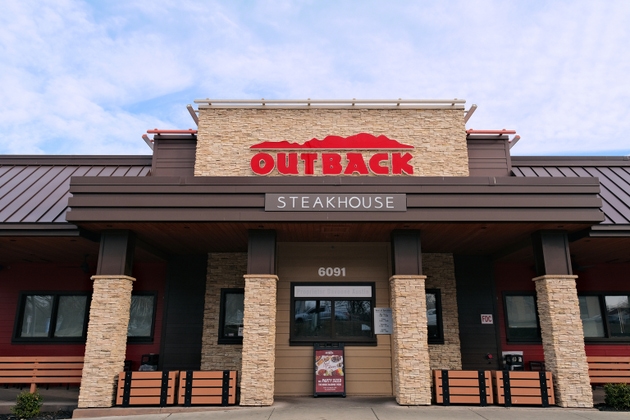
Bloomin' Brands shares moved lower today after JPMorgan shifted its outlook on the restaurant operator to Underweight from Neutral. The downgrade centers on a combination of valuation concerns and the financial burden associated with an ongoing remodel cycle. The firm set a price target of $6, signaling a cautious stance on the company's ability to navigate current capital expenditure requirements while maintaining margins.
Capital Intensity and Remodel Execution
The core of the bearish thesis rests on the cost structure of the company's current strategic initiatives. Bloomin' Brands has been engaged in a multi-year effort to refresh its restaurant fleet, a process that requires significant upfront capital. JPMorgan suggests that these costs are weighing on the balance sheet more heavily than previously anticipated, potentially limiting the company's flexibility in a high-cost operating environment. The shift to Underweight reflects a view that the market has not fully priced in the drag these expenditures place on free cash flow.
Restaurant operators often face a difficult trade-off between long-term brand relevance and short-term earnings pressure when undertaking large-scale renovations. For Bloomin' Brands, the execution of these remodels coincides with a period of heightened consumer sensitivity to menu pricing. If the capital intensity persists without a corresponding lift in same-store sales, the path to margin expansion becomes increasingly narrow. Investors are now forced to weigh the long-term benefits of a modernized footprint against the immediate reality of compressed earnings potential.
Sector Read-Through and Financials
The broader financial sector continues to navigate shifting interest rate expectations and consumer spending patterns. Within the financial services space, firms like JPMorgan Chase & Co. currently hold an Alpha Score of 55/100, while KeyCorp maintains a score of 68/100. These scores reflect varying levels of resilience across the sector as institutions manage their own capital allocation strategies in response to broader economic signals. For Nasdaq Inc., which holds an Alpha Score of 43/100, the focus remains on market volatility and transaction volumes rather than the direct consumer-facing pressures seen in the casual dining space.
This downgrade serves as a reminder that capital-intensive turnaround strategies are particularly vulnerable when the macro environment turns restrictive. The focus for the next quarter will be on whether management provides updated guidance regarding the pace of these remodels or if they signal a pivot toward cost containment. The upcoming earnings report will be the primary marker for whether the company can demonstrate a stabilization in its operating margins or if the capital drain will continue to pressure the stock price. Market participants will look for specific commentary on the return on investment for the completed remodels to determine if the current valuation accurately reflects the long-term growth trajectory.