The Identity Conundrum
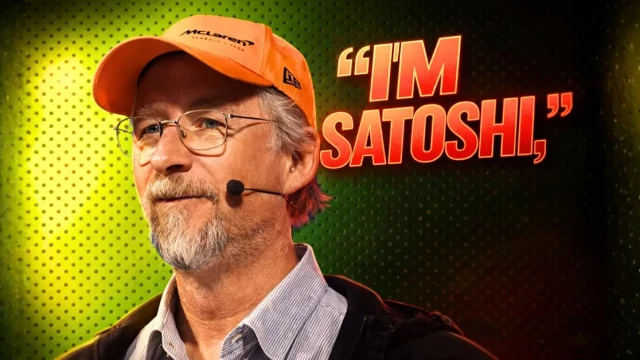
For over a decade, the identity of Satoshi Nakamoto—the pseudonymous creator of Bitcoin—has remained the most significant mystery in the digital asset space. This week, the discourse reached a fever pitch following a comprehensive investigation by The New York Times, which posited that Adam Back, the veteran cryptographer and current CEO of Blockstream, is the most probable candidate behind the moniker. In response, Back has offered his most granular public rebuttal to date, a move that has only served to fuel further speculation within the crypto-analytic community.
Back, a pioneer in hash-based proof-of-work systems, has long been a central figure in the cypherpunk movement. His 1997 invention of Hashcash, a mechanism designed to combat email spam, is explicitly cited in the original Bitcoin whitepaper. This technical lineage has made him a perennial favorite among those attempting to de-anonymize the creator of the world’s largest cryptocurrency.
The New York Times Thesis
The New York Times investigation leans heavily on the technological overlap between Back’s early work and the Bitcoin protocol. By highlighting the chronological proximity of Hashcash to the Bitcoin whitepaper and Back’s deep-rooted expertise in cryptography, the report suggests a logical progression that points toward him as the architect of the Bitcoin network.
However, the burden of proof remains elusive. Nakamoto’s silence since 2011 and the inactivity of the original genesis and early-mined wallets—estimated to hold approximately 1.1 million BTC—have left the investigation reliant on circumstantial evidence rather than cryptographic verification. For traders and institutional observers, the "Satoshi identity" remains a binary risk: should the owner of those early coins ever move them, the resulting market volatility would be historic.
Back’s Response: A Calculated Denial
Facing the renewed scrutiny, Adam Back has moved to clarify his position. While he acknowledged the gravity of the inquiry, his response maintained the ambiguity that has characterized his previous comments on the subject. Back has consistently stated that he is not Satoshi, noting that the leap from the conceptual framework of Hashcash to the implementation of a decentralized, trustless ledger is a distinct evolution that he did not personally orchestrate.
Yet, his detailed engagement with the media highlights the unique position he holds. As the CEO of Blockstream, a company foundational to Bitcoin’s scaling solutions, Back is inextricably linked to the protocol’s development. His refusal to provide a "hard" denial—such as signing a message with the private keys associated with the genesis block—continues to leave the door ajar for theorists, even if he denies the claim directly.
Market Implications and Investor Sentiment
For the broader crypto market, the identity of Satoshi Nakamoto is more than just a historical curiosity; it is a fundamental governance and security question. The prospect of an individual possessing such significant control over the early supply of Bitcoin creates a permanent “black swan” risk. If the market were to reach a definitive conclusion regarding the identity of the creator, it could lead to significant shifts in investor sentiment and regulatory interpretation.
Traders should note that while speculation regarding Nakamoto’s identity rarely causes sustained price action in the current institutionalized Bitcoin market, it remains a sentiment-driver for retail participants. Any news that suggests a "reveal" often triggers short-term localized volatility as algorithmic traders react to the potential for massive supply-side pressure if those early coins were to be liquidated.
What to Watch Next
As the investigation continues to circulate, market participants will remain focused on the movement of early-era Bitcoin wallets. While Adam Back continues to manage Blockstream and contribute to the evolution of the Lightning Network, the "Satoshi" label will likely continue to follow him. For now, the narrative remains in the realm of investigative journalism rather than proven fact. Analysts and investors should view these reports as speculative, keeping a close eye on historical wallet activity that would serve as the only true indicator of the creator's presence in the market.