BitMEX to shut down in September after 11-year derivatives run
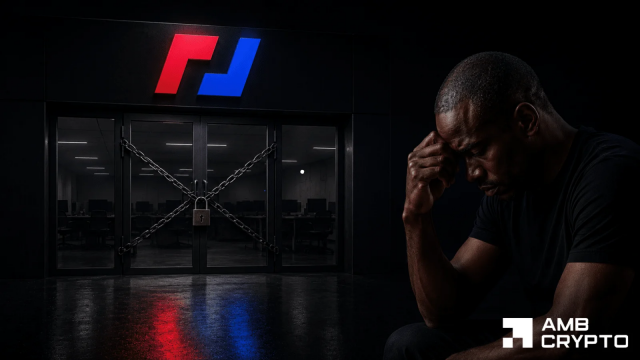
The exchange that pioneered 100x leverage will close Sept. 23, 2026, as regulatory fallout and competition take their toll. Users have until then to withdraw funds.
BitMEX will shut down its exchange on Sept. 23, 2026, ending an 11-year run that helped define crypto derivatives trading.
The exchange was founded in 2014 by Arthur Hayes, Samuel Reed and Ben Delo under the parent company HDR Global Trading Limited. It pioneered the 100x-leverage perpetual swap, a product that became a standard across the industry.
That innovation is now ending. In a statement, BitMEX said it will cease all operations at 04:00 UTC on Sept. 23. The exchange cited years of regulatory scrutiny and a shift in market share to newer competitors as factors in the decision.
BitMEX faced U.S. charges in 2020 for anti-money laundering failures. The founders later pleaded guilty, paid fines and stepped down from leadership roles. Three weeks ago, the CEO resigned. The CFO and head of growth followed, the exchange said.
The platform has lost significant market share to Binance, Bybit, OKX and newer venues like Hyperliquid over the past several years. Despite the decline, BitMEX said no customer funds have been lost in its history.
New account registrations have already been halted. Existing users are being told to close positions and withdraw funds before the shutdown date. Positions that remain open will be force-closed. “We want to reassure you that your assets remain fully safe and under your control during this transition period,” the exchange said.
The community reaction has been largely nostalgic. “Definitely an end of an era for the crypto space,” one user wrote on social media, recalling their first crypto trade on BitMEX.
Public blockchain records show co-founder Arthur Hayes has bought 3,270 Ether over the past eight days, worth about $6.3 million, on other platforms. He has not traded on BitMEX.
Drafted by a large language model from the source reporting linked above, then screened by automated publishing checks. It is not read by a journalist before publication. Some articles cite our Alpha Score. Verify prices and figures against the original source. Educational coverage, not personalized advice.