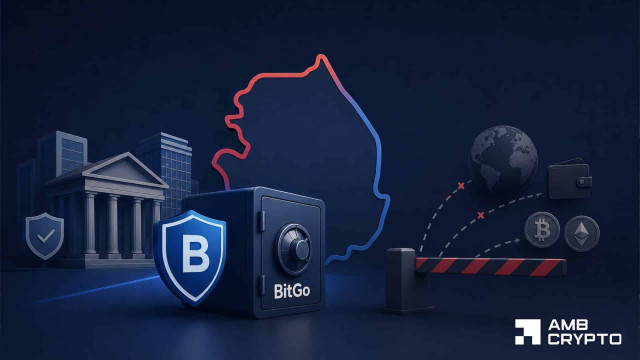
BitGo Korea becomes first foreign crypto subsidiary to directly register in South Korea, as new rules tighten offshore transfers and an exchange dispute highlights friction.
BitGo Korea secured a Virtual Asset Service Provider (VASP) registration from South Korea's Financial Intelligence Unit, the first time a foreign crypto firm's local subsidiary has been directly approved. Rather than purchasing an existing licensed operator, the company registered its own regulated entity.
Chen Fang, BitGo Korea CEO and BitGo's chief revenue officer, said the approval reflects a "long-term commitment" to the Korean regulatory framework. Abel Seow, managing director and head of APAC sales at BitGo, said the firm sees "growing interest in security alongside local regulatory alignment."
The approval expands institutional custody competition in South Korea, where local players have long dominated. It also shows that foreign crypto firms can enter the market directly by meeting domestic requirements.
BitGo's direct registration sets a precedent for other foreign firms seeking a foothold in South Korea. Previous entrants had to acquire existing licensed operators, a costly and time-consuming process. The FIU's acceptance of BitGo Korea's application signals that the regulator is open to new entrants that meet its standards.
The registration coincides with a sharpening of South Korea's rules on moving funds offshore. Under the updated framework, all domestic VASP transfers to offshore destinations require sender and recipient information, regardless of transaction size. Offshore exchanges and self-hosted wallets face additional verification steps, with most transfers requiring same-person ownership confirmation. Transfers worth 10 million won or more also trigger mandatory internal monitoring when sent to these destinations.
A separate dispute between HTX and Kraken illustrates how compliance systems can affect fund transfers. HTX said its internal review found no official accounts involved in address-poisoning transfers reported by users. Instead, several cases emerged after Kraken froze customer funds, with affected balances reaching roughly $4.2 million. HTX spent more than two months communicating with Kraken to resolve the restrictions. The incident shows the tension between anti-money laundering measures and user access.
The new rules create a sharper divide. Registered firms such as BitGo Korea can operate within the local framework. Unregistered foreign platforms face steadily tighter scrutiny on each transfer. The HTX-Kraken controversy shows why South Korea is enhancing outbound controls. The same rules could also generate friction for legitimate users.
Transfers to offshore destinations worth 10 million won or more now require mandatory internal monitoring for registered VASPs.
Prepared with AlphaScala editorial tooling from the source reporting linked above. Indexable analysis may include a cited Alpha Score value. Publishing checks screen each story before release. Educational coverage, not personalized advice.