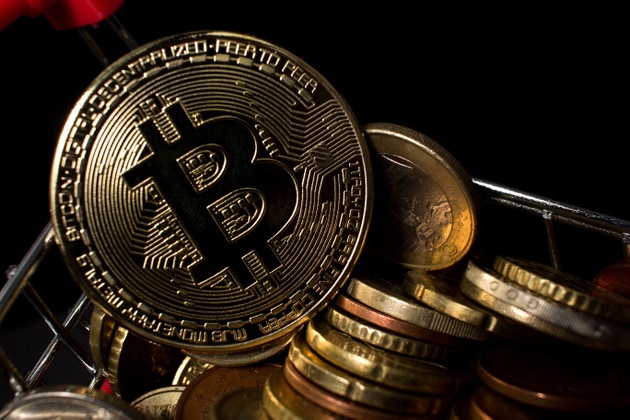
Bitcoin climbed 2.9% to reach a ten-week high as markets reacted to the extension of a ceasefire between the United States and Iran. The move reflects a broader shift in risk appetite as geopolitical tensions, which often drive capital toward perceived safe-haven assets, show signs of stabilization. This price action marks a notable recovery for the asset class after a period of consolidation.
Geopolitical Stability and Asset Correlation
The extension of the ceasefire provides a window of reduced volatility in the Middle East, directly influencing trading patterns across global risk assets. When geopolitical friction decreases, capital often rotates out of defensive positions and back into speculative or growth-oriented sectors. Bitcoin frequently acts as a barometer for this sentiment shift, as its liquidity allows for rapid entry and exit during periods of macro uncertainty.
This specific price movement highlights the sensitivity of digital assets to diplomatic developments. While Bitcoin has historically been framed as a hedge against systemic instability, its recent behavior suggests it remains highly responsive to the same risk-on catalysts that drive equities and other high-beta instruments. Traders are now assessing whether this ten-week high represents a sustainable breakout or a temporary reaction to the news cycle.
Liquidity and Market Positioning
The current price level suggests that market participants are absorbing the news of the ceasefire extension with increased buying pressure. Sustained momentum above this ten-week threshold would require consistent inflows into major spot exchange-traded products and a reduction in short-term liquidations. The market is currently navigating a landscape where Bitcoin (BTC) profile remains the primary anchor for sentiment across the broader crypto market analysis.
AlphaScala data currently reflects a mixed outlook for several major equities, including Unity Software Inc. (U) with an Alpha Score of 41/100, Amer Sports, Inc. (AS) with a score of 47/100, and AT&T Inc. (T) at 57/100. These scores underscore the varied performance across sectors as investors weigh macroeconomic stability against company-specific fundamentals. Investors should monitor the following indicators to gauge the durability of the current rally:
- The volume of spot market inflows following the initial price jump.
- Any subsequent diplomatic statements regarding the long-term status of the ceasefire.
- Changes in open interest across major derivatives exchanges.
Next Steps for Market Monitoring
The immediate focus shifts to whether the ten-week high can serve as a support level for further gains. Market participants will look for follow-up statements from both U.S. and Iranian officials to confirm the stability of the ceasefire. Any sign of renewed escalation would likely trigger a swift reversal, as the market remains sensitive to any disruption in the current diplomatic framework. The next concrete marker will be the sustained trading volume over the coming 48 hours, which will determine if this move is supported by institutional conviction or merely short-term speculative positioning.