Crypto▲ Bullish
Binance Faces MiCA Crunch After Greece Application Withdrawal
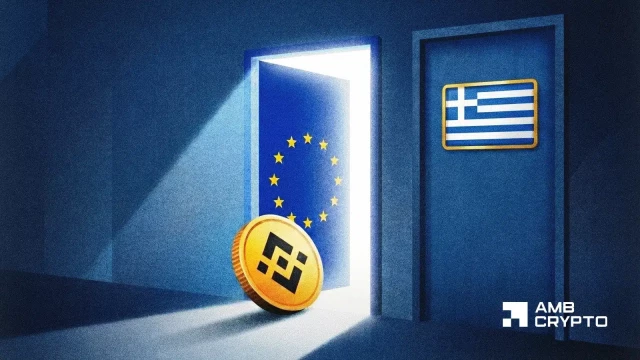
With a week to the EU MiCA deadline, Binance says it will secure a license 'in coming months' after three regulators rejected its applications.
Continue with
Binance has one week to meet the EU's MiCA deadline or wind down operations in the bloc. The exchange's path to compliance looks anything but smooth.
CEO Richard Teng said on June 24 that Binance will secure a MiCA license in the "coming months." That timeline matters because the July 1 deadline is fixed. ESMA, the EU's financial regulator, has already instructed unlicensed crypto firms to wind down by then. Some Binance users in the EU have received messages saying the exchange is ending services at the end of June.
Teng's statement came after Binance withdrew its MiCA license application in Greece. The exchange said it would seek approval in other EU member states instead. Yet according to a Reuters report, Binance had held talks with regulators in Latvia, Ireland, and Greece. The report said the exchange "faced resistance" from all three. Reuters added that Binance's past money-laundering penalties and complex international structure were viewed as risks by those regulators.
Three rejections in three countries are hard to spin. MiCA is a passporting regime, meaning a crypto firm needs a license from one EU member state to operate across the entire bloc. Withdrawing from Greece forces Binance to start the approval process again elsewhere. That buys time but does not reset the clock for current users.
The implications go beyond paperwork. Every week without a license, European customers face uncertainty about their funds. Some have already been told to withdraw. Competitors with MiCA approval, like OKX, can market directly to displaced users. Yet OKX has also seen capital outflows in the past week, according to data cited by Binance's own statement. That suggests that even a licensed exchange is not immune to the broader risk-off mood in crypto.