Stocks● Neutral
Bill Gates’ Lab-Milk Bet Sits Alongside Farmland, Vaccine Influence
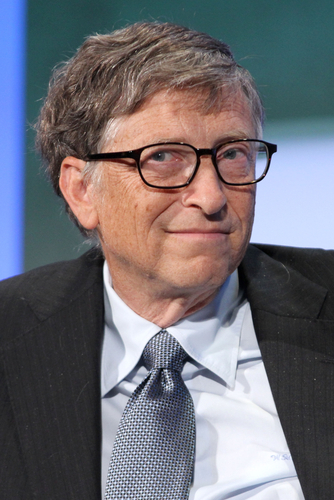
Gates-backed BIOMILQ is developing lab-grown human breast milk. The venture adds to his farmland holdings and vaccine funding. For public market investors, the concentration of private capital in strategic sectors is the story.
Continue with
Bill Gates-backed funds placed bets on BIOMILQ, a startup working to produce human breast milk from cultured cells. The venture sits alongside his farmland holdings and vaccine funding – a cluster of private investments that now span food, medicine, and agriculture. For investors tracking the alternative protein sector, the pattern raises a question: how much private influence already shapes public-market supply chains?
The Gates Foundation has committed more than $4 billion to Gavi, the vaccine alliance, over the years. Separately, Gates has accumulated roughly 250,000 to 275,000 acres of farmland across the United States, making him the largest private farmland owner in the country. The BIOMILQ investment adds a third leg: infant nutrition.
BIOMILQ is not alone in the lab-grown dairy space. Companies like Perfect Day and Remilk produce animal-free dairy proteins through fermentation. BIOMILQ's approach is distinct – it uses human mammary cells rather than animal cells – but it competes for the same regulatory pathway and consumer trust. The Food and Drug Administration has not yet approved any lab-grown human breast milk for commercial sale. BIOMILQ has not disclosed a timeline for submission.