Back to Markets
Macro● Neutral

Bihar Political Transition: BJP Appoints Shivraj Singh Chouhan as Central Observer to Oversee Leadership Shift

April 12, 2026 at 11:57 AMBy AlphaScalaSource: livemint.com
Bihar Political Transition: BJP Appoints Shivraj Singh Chouhan as Central Observer to Oversee Leadership Shift
_NONE

The BJP has tapped Union Minister Shivraj Singh Chouhan to manage the selection of a new legislative leader in Bihar, with the transition expected to conclude by April 15 following Nitish Kumar's move to the Rajya Sabha.

A Pivot in Bihar’s Political Landscape

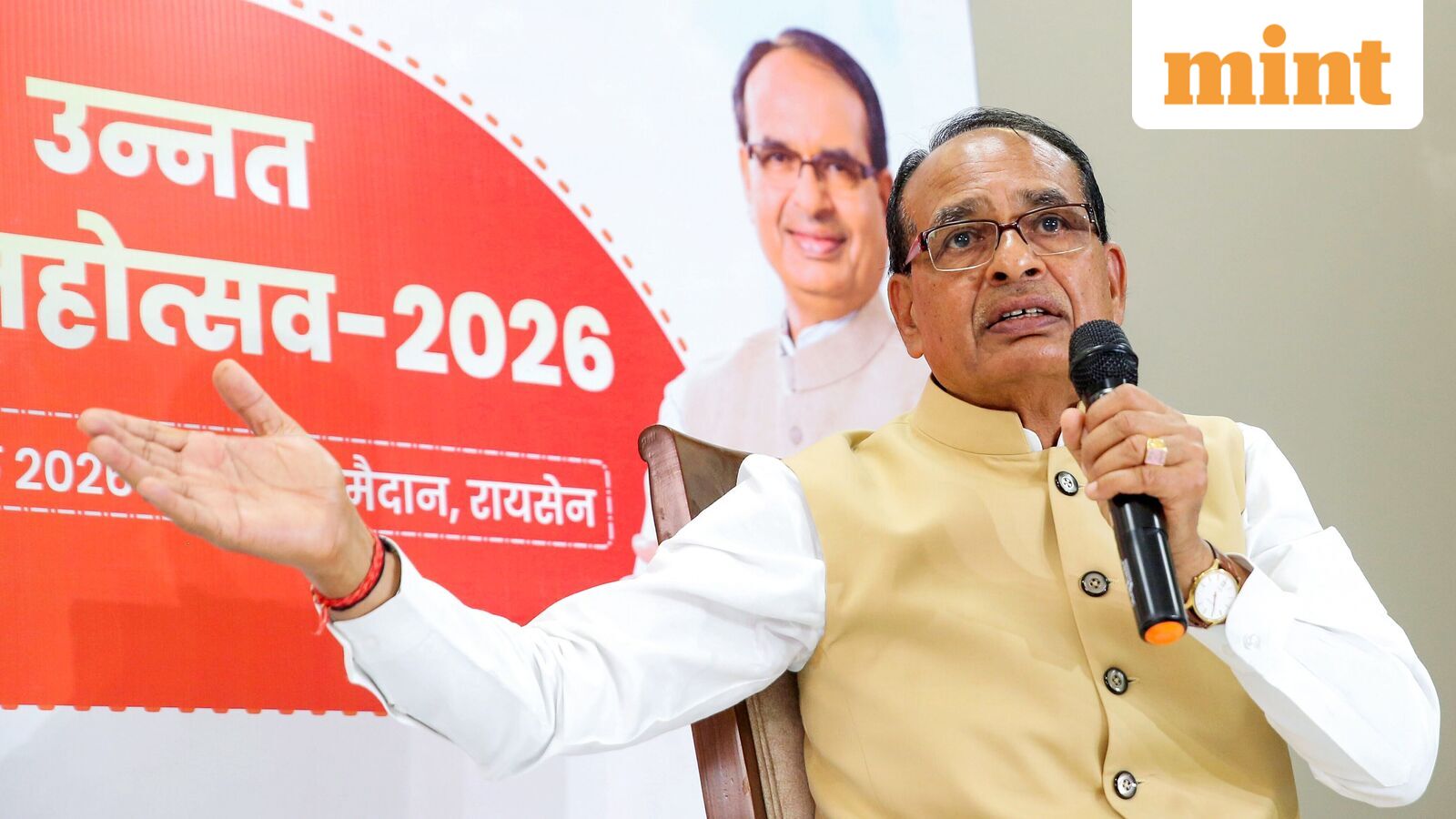
The Bharatiya Janata Party (BJP) has officially set the machinery in motion for a leadership transition in Bihar. Following the high-profile move of incumbent Chief Minister Nitish Kumar to the Rajya Sabha, the party has appointed Union Minister Shivraj Singh Chouhan to serve as the central observer. Chouhan, a veteran strategist and former Chief Minister of Madhya Pradesh, is tasked with overseeing the election of the new legislative party leader, a move that signals a significant realignment in the state's governance structure.

Market observers and political analysts are closely monitoring this development, as the stability of the Bihar state government is a critical variable for regional economic policy, infrastructure project continuity, and investor sentiment in Northern India. With the legislative party leader election process now underway, internal sources suggest that the swearing-in of the new Chief Minister is likely to occur on April 15.

Contextualizing the Shift

Nitish Kumar’s transition from the state’s top executive office to the Upper House of Parliament marks the end of a long-standing chapter in Bihar politics. His departure necessitates a swift and decisive transition to ensure that the state’s legislative agenda remains uninterrupted. For the BJP, the appointment of Shivraj Singh Chouhan—a seasoned political operator—is a calculated effort to manage the transition smoothly and maintain party cohesion during a period of potential volatility.

Historically, political transitions in major Indian states have been periods of heightened scrutiny for local industrial initiatives and public-private partnerships. The appointment of a central observer indicates that the BJP high command is taking a direct, hands-on approach to the selection process, aiming to mitigate factionalism and ensure that the incoming administration aligns with federal policy objectives.

Implications for Stakeholders

For investors and market participants, political stability in Bihar is intrinsically linked to the momentum of state-led infrastructure development and the ease of doing business. A seamless transition on April 15 would be viewed as a positive signal, potentially reducing the risk premium associated with regional policy shifts. Conversely, any unexpected delays or signs of internal dissent within the legislative party could lead to a temporary pause in local administrative decision-making, which may impact project timelines and state-level fiscal planning.

Traders looking at regional exposure should focus on sectors sensitive to state government policy, including logistics, agriculture, and construction. The ability of the new leadership to maintain fiscal discipline while continuing to attract capital investment remains the primary metric for long-term economic stability in the region.

What to Watch Next

All eyes are now focused on the proceedings leading up to April 15. The official announcement of the legislative party leader will be the first definitive indicator of the state's new policy direction. Market participants should look for early signals regarding the incoming government’s stance on existing industrial agreements and its commitment to the fiscal targets established by the previous leadership. As Shivraj Singh Chouhan begins his deliberations, the clarity of the selection process will be the primary indicator of how effectively the BJP intends to govern the state in the post-Nitish Kumar era.