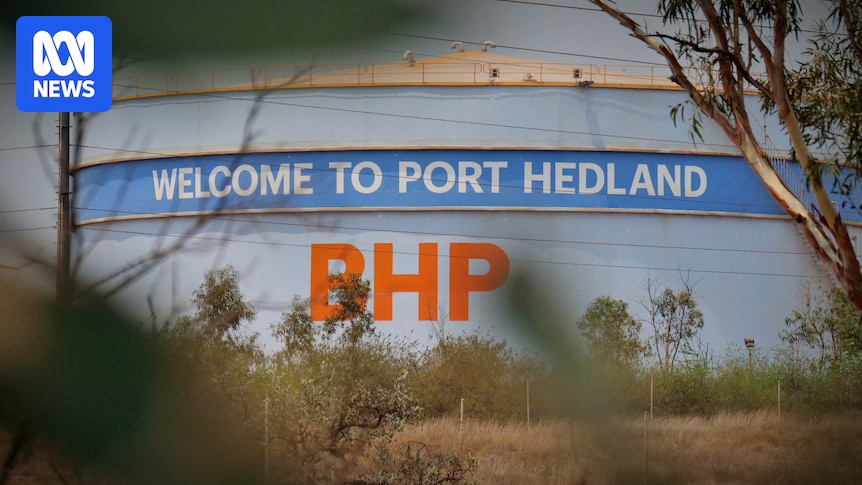
Unionised maintenance workers at BHP's Port Hedland operations have voted overwhelmingly to strike, opening the door to what could be the mining industry's most significant industrial action this century. The Australian Manufacturing Workers Union said 90% of its members backed protected work stoppages. A ballot from the Electrical Trades Union is due later today. If both unions approve, stoppages involving around 450 workers could begin as early as next week, with staff required to give five days' notice.
The vote followed seven months of failed negotiations over a new employment agreement. AMWU State Secretary Steve McCartney said the result reflected deep frustration. "Workers shouldn't have to wait seven months for genuine progress at the bargaining table," he said. "Members have had enough."
The Vote and the Timeline
The ballots authorised an unlimited number of stoppages ranging from 30 minutes to 24 hours. That flexibility means BHP faces uncertainty over both the timing and the severity of any disruption. The company said it has "strong contingency plans" to maintain safe, reliable operations but did not specify what those plans involve.
BHP exported 290 million tonnes of iron ore through Port Hedland in the last financial year. Based on the latest available reporting and budget data, the mining giant could lose between $110 million and $126 million per day during a full shutdown. The Western Australian government would lose $6.85 million a day in royalty payments.
The Cost of a Shutdown
Western Australia's Chamber of Minerals and Energy warned that shutting the port would damage the national economy. Chief executive Aaron Morey said direct bargaining had delivered decades of jobs and productivity growth, the highest average wages in the country and more than $100 billion in royalties for WA. "Shutting Port Hedland Port would cost our State millions in royalties per day, which erodes Government's ability to support nurses, teachers and other public servants," he said.
BHP, mining industry groups and the opposition have blamed the Albanese government's changes to industrial relations laws for the return of unionised labour to the Pilbara. Resources Minister Madeline King pushed back, noting BHP had successfully negotiated enterprise bargaining agreements with significant sections of its Australian workforce. "It seems to be a particular aversion to modern unionism in the Pilbara and it's difficult to understand sometimes," she said. Premier Roger Cook said the state government had no role in the dispute but offered support to workers: "Stand up for your rights; get the best wages and conditions that you can."
BHP carries an Alpha Score of 67 out of 100, a Moderate label that reflects the stock's balanced risk-reward heading into the strike uncertainty. The next concrete marker is the ETU ballot result, due later today. If it mirrors the AMWU vote, the five-day notice clock starts ticking.