BHEL and Coal India commit Rs 25,000 crore to an Odisha coal gasification project, targeting fertilizer production and downstream industries beyond thermal power.
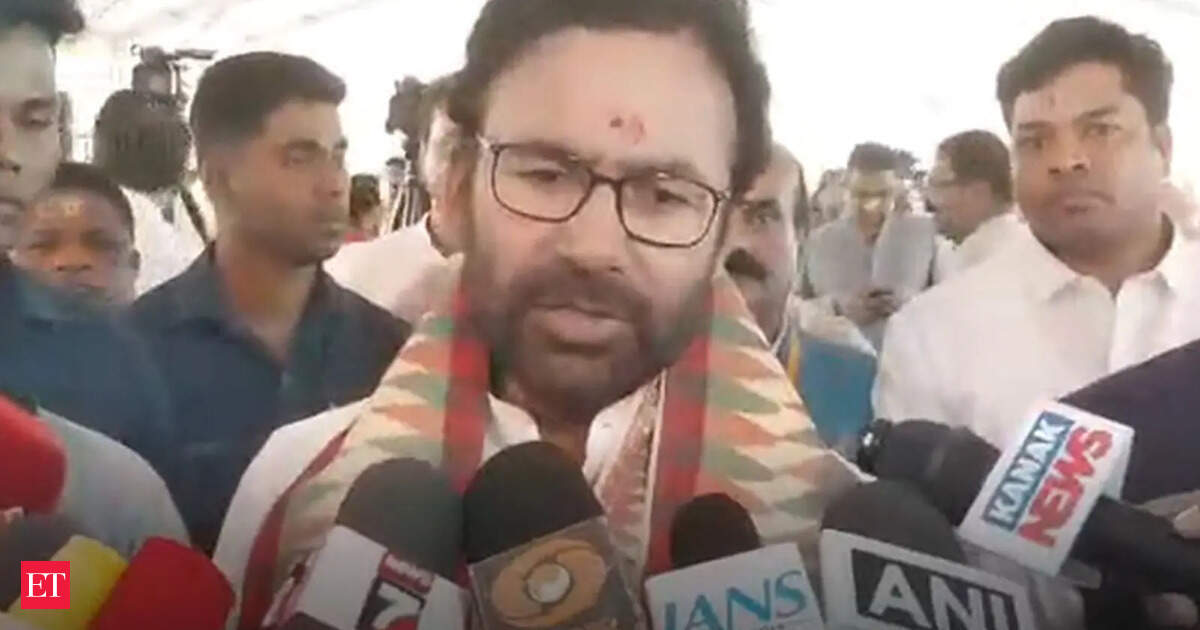
Bharat Heavy Electricals Ltd and Coal India Ltd are investing Rs 25,000 crore in a coal gasification project in Odisha, Union Minister G Kishan Reddy said. The project moves beyond traditional power generation into fertilizer production and downstream industrial uses.
The investment targets a shift in how India uses its coal reserves. Gasification converts coal into syngas, which can feed urea plants, reduce natural gas imports, and supply chemical feedstocks. For Coal India, the project diversifies revenue away from thermal coal sales to power utilities. For BHEL, it opens a new equipment and engineering pipeline outside the slowing thermal power order book.
The Odisha location sits near Coal India's Mahanadi Coalfields, which produce some of the country's highest-grade non-coking coal. Proximity cuts transport costs for the feedstock and gives the project a logistical edge over gasification plants in other states.
Coal India has been absorbing cost pressures to keep industrial consumers stable, as seen in its recent margin-compression strategy. The gasification project represents a longer-term hedge: if thermal power demand plateaus, synthetic natural gas and urea feedstocks offer an alternative offtake channel.
BHEL has struggled with order inflows in recent years as utilities slowed new thermal plant additions. The gasification contract provides a multi-year revenue stream and a reference project for similar bids elsewhere. The company's experience with high-pressure boiler technology transfers directly to gasifier vessels.
The fertilizer angle is the most immediate read-through. India imports roughly 15-20 million tonnes of urea annually. Domestic coal-to-urea production could replace a portion of those imports, insulating the fertilizer subsidy bill from volatile global gas prices. The government has been pushing for coal gasification-based urea plants as a strategic buffer.
Downstream industries stand to benefit as well. Syngas derivatives include methanol, ammonia, and dimethyl ether, which feed into chemicals, plastics, and clean-fuel blending. Odisha's existing industrial corridor along the Paradip–Jharsuguda belt could absorb output without long-distance transport.
The project timeline and financing structure have not been detailed. BHEL and Coal India will need to secure technology partners for gasifier design, as large-scale coal gasification has limited domestic track record. Land acquisition and environmental clearances for the Odisha site will also determine how quickly the Rs 25,000 crore translates into construction.
For investors tracking Coal India, the gasification push signals management's intent to future-proof earnings beyond thermal power. For BHEL, it offers a rare large-ticket order in a lean equipment cycle. The sector read-through extends to fertilizer companies, which could face domestic competition, and to gas importers, whose pricing power may erode if coal-to-urea scales.
Prepared with AlphaScala research tooling and grounded in primary market data: live prices, fundamentals, SEC filings, hedge-fund holdings, and insider activity. Each story is checked against AlphaScala publishing rules before release. Educational coverage, not personalized advice.