Best Buy locks exclusive TV tech that rivals call a step-change since 2013
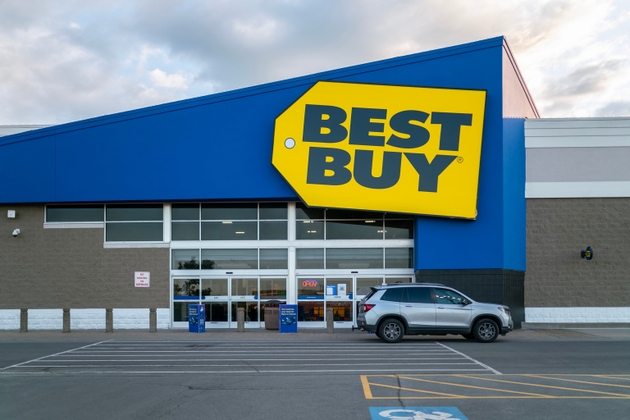
Best Buy locks exclusive U.S. retail for RGB LED TVs from Samsung, Sony, LG, TCL, Hisense. The 30-40% premium could reverse falling TV margins this holiday.
Best Buy is the exclusive U.S. retailer for a new generation of RGB LED televisions from Samsung, Sony, LG, TCL, and Hisense. The company calls the technology the biggest advancement in TV picture quality since 2013. The shift moves the display layer from white LED backlighting to individual red, green, and blue LEDs. That change delivers brighter colors, deeper blacks, and wider viewing angles without the burn-in risk of OLED.
The exclusivity arrangement covers the initial launch wave across all five manufacturers. For Best Buy, that means a product category that cannot be bought on Amazon, Walmart.com, or at a warehouse club during the critical holiday selling season. TV sales have been a traffic driver and a margin anchor for big-box retailers. The category has been under pressure from falling average selling prices and longer replacement cycles. A technology step-change that justifies a premium price tag – RGB LED sets are expected to carry a 30-40% markup over conventional LED models – gives Best Buy a chance to reverse that trend.
The read-through for the sector is not uniform. The five TV brands that signed on are the same ones that dominate the premium segment. They also sell through other channels. The exclusivity is limited to the RGB LED models, not their full lineups. Samsung, Sony, LG, TCL, and Hisense will still sell their standard LED and OLED sets everywhere else. The constraint is on the highest-margin, highest-differentiation SKUs. For those brands, the deal trades broad distribution for a concentrated launch partner that can demo the technology in person. Online-only retailers cannot replicate that.
Best Buy's physical footprint becomes an asset here. The company operates roughly 950 stores in the U.S., each with a dedicated home-theater section. The RGB LED sets require a side-by-side comparison with conventional LED and OLED to justify the price premium. That is a showroom advantage that pure-play e-commerce cannot match. The question is whether the exclusivity window is long enough to convert browsers into buyers before the technology becomes available elsewhere. Best Buy did not disclose the length of the agreement.
For investors tracking the consumer electronics supply chain, the RGB LED shift has implications beyond retail. The backlight module is the most expensive component in an LED TV. The move to individual RGB LEDs increases the bill of materials by an estimated 15-20% per panel, according to supply-chain research published by Display Supply Chain Consultants. That benefits LED chip makers and driver IC suppliers. It also raises the cost floor for the entire category. If RGB LED fails to gain traction at the premium price point, the investment in new production lines could pressure margins at panel makers.
Best Buy's own financial setup is straightforward. The company carries an Alpha Score of Unscored in the AlphaScala system, reflecting limited proprietary signal coverage at this time. Its stock page is available for reference. The consumer cyclical sector has been under pressure from shifting spending patterns. A hardware refresh cycle tied to a genuine display improvement could provide a catalyst that is independent of macro headwinds.
The competitive response from other retailers will matter. Amazon and Walmart have their own TV exclusivity deals, typically with lower-tier brands or private labels. Neither has announced a competing RGB LED partnership. If the technology gains traction, those retailers may push for access in the next product cycle. That would shorten Best Buy's window of differentiation. For now, the exclusivity is a concrete advantage that is measurable in foot traffic and attach rates for soundbars, mounts, and installation services.
The five manufacturers are betting that a dedicated retail partner can educate consumers faster than online listings. Best Buy is betting that the technology is compelling enough to pull customers into stores. The next data point to watch is the holiday-quarter TV unit growth at Best Buy versus the broader market. That comparison will separate a genuine product cycle from a marketing arrangement.
Drafted by a large language model from the source reporting linked above, then screened by automated publishing checks. It is not read by a journalist before publication. Some articles cite our Alpha Score. Verify prices and figures against the original source. Educational coverage, not personalized advice.