Bengaluru's startup ecosystem is worth $153 billion, according to the Global Startup Ecosystem Report (GSER) 2026 from Startup Genome and the Karnataka Digital Economy Mission. The city accounts for 58% of India's artificial intelligence venture funding and ranks 15th globally, sixth in Asia. That valuation rests on a capital formation engine that pulled in $39 billion in venture capital between 2021 and 2025, fourth in Asia, and generated $46 billion across 304 startup exits.
The ecosystem's exit cycle is fast. The average time to a startup exit is 8.2 years, well under the global benchmark of 11.1 years. A local software engineer's median annual salary of $19,600 keeps product costs competitive, the report said.
State policy has accelerated the shift. Karnataka's Startup Policy 2.0 (2025–2030) commits $62.4 million to create 25,000 new startups. The Local Economy Accelerator Program adds $110 million, and the Karnataka Quantum Mission another $114 million. Bengaluru-Karnataka now ranks as Asia's No. 2 AI-Native Cluster, and its R&D Engine ranking climbed from the global Top 30 in 2025 into the Top 10.
Global AI Funding Bottleneck
The risk is on the other side of the capital equation. Global AI funding is heavily skewed toward North America, which absorbed 86% of all late-stage AI venture capital in 2025, the report said. That asymmetry limits how much late-stage capital reaches Bengaluru's deep-tech startups, even as early-stage funding flows freely.
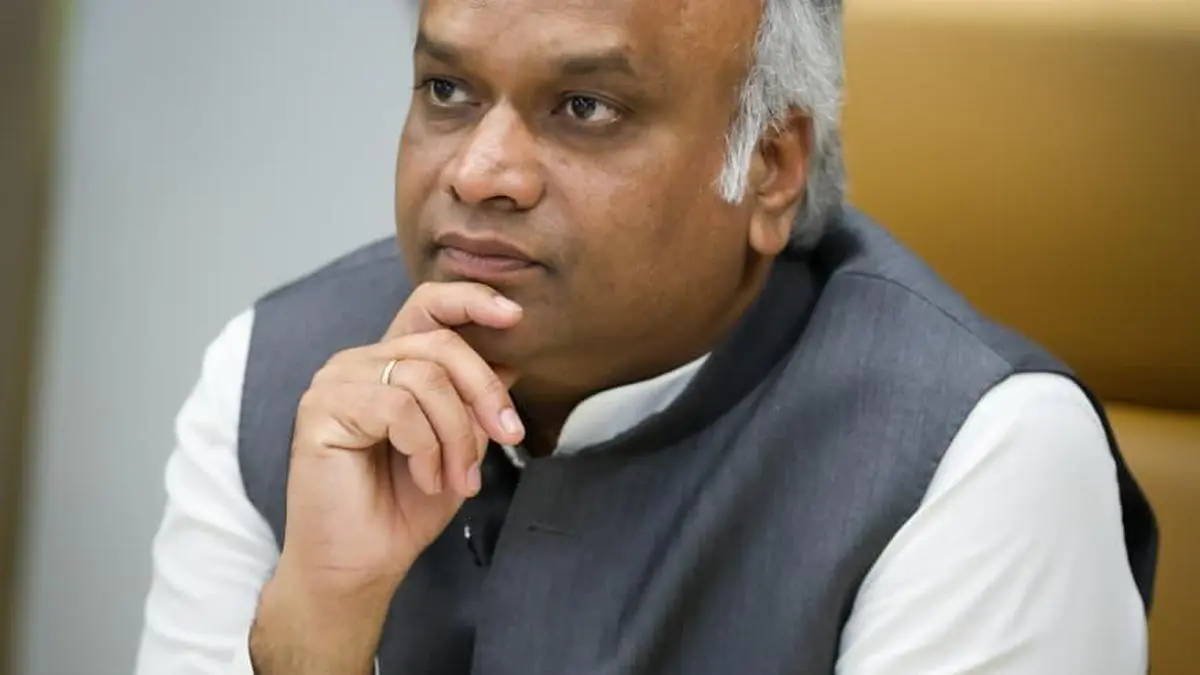
Priyank Kharge, Karnataka's Minister for IT & BT, said the city is "no longer just India's start-up capital; it is increasingly a global DeepTech and AI innovation hub." The recognition validates long-term investments in talent and research, he added.
Regional dynamics are shifting. Delhi slipped two positions to 31st globally as international competition intensified. Mumbai moved to the top of the global Emerging Ecosystems index. Major Chinese hubs – Beijing, Shanghai, Shenzhen – all saw marginal declines in their global ranks. For Karnataka's policymakers, that contraction opens a window to capture reallocated geopolitical capital, provided the ecosystem can expand its funding runway beyond the current base.
The report was unveiled at VivaTech Paris. No date has been set for the next edition.