Back to Markets
Commodities● Neutral

Beijing’s Strategic Ambiguity in the Strait of Hormuz Risks Energy Flow Stability

Beijing’s Strategic Ambiguity in the Strait of Hormuz Risks Energy Flow Stability
AONNOWSPOT

Beijing’s strategic ambiguity regarding the Strait of Hormuz maintains a delicate energy status quo, but traders should prepare for volatility if Chinese naval rhetoric shifts toward intervention.

AlphaScala Research Snapshot
Live stock context for companies directly referenced in this story
Alpha Score
55
Moderate

Alpha Score of 55 reflects moderate overall profile with moderate momentum, moderate value, moderate quality. Based on 3 of 4 signals — score is capped at 90 until remaining data ingests.

Alpha Score
45
Weak

Alpha Score of 45 reflects weak overall profile with strong momentum, poor value, poor quality, weak sentiment.

Technology
Alpha Score
54
Weak

Alpha Score of 53 reflects moderate overall profile with poor momentum, strong value, strong quality, moderate sentiment.

Communication Services
Alpha Score
47
Weak

Alpha Score of 47 reflects weak overall profile with weak momentum, weak value, strong quality, weak sentiment.

This panel uses AlphaScala-native stock data, separate from the source wire linked above.

Beijing is recalibrating its maritime rhetoric regarding the Strait of Hormuz, moving from high-level diplomatic posturing to a more opaque stance on regional security. While Chinese officials have publicly emphasized the importance of freedom of navigation, their operational posture suggests a calculated distance from the escalating tensions between regional players and Western naval forces.

The Geopolitical Calculus

The Strait remains the world’s most critical maritime chokepoint, with roughly 20% of global oil consumption passing through its waters daily. For China, the primary consumer of Gulf energy exports, the status quo is optimal. However, the disconnect between Chinese defense rhetoric and actual naval deployment indicates a preference for proxy-level stability rather than direct intervention.

Beijing’s strategy centers on maintaining access to energy markets without triggering a direct confrontation with the U.S. Fifth Fleet. By avoiding a permanent naval footprint in the region, China avoids the logistical and political costs of security enforcement, effectively outsourcing the stability of the Strait to others while reaping the economic benefits of uninterrupted supply.

Market Impacts of Strait Volatility

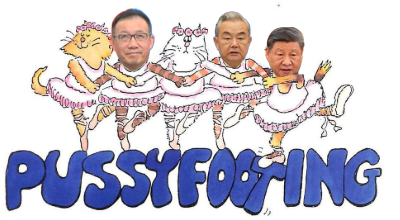
Traders tracking crude oil profile must account for the reality that China’s "pussyfooting" leaves a security vacuum. When Beijing signals strategic distance, the burden of patrolling the Strait falls back onto Western alliances, which historically leads to higher risk premiums in the futures market. A sudden shift in Chinese naval posture, or even a public pivot toward a more interventionist approach, would likely trigger an immediate volatility spike in CL and Brent futures.

  • CL (WTI Crude): Highly sensitive to any news flow regarding physical blockages or insurance premiums in the Gulf.
  • Energy Equities: Major producers and refiners often react to the "geopolitical discount" or "geopolitical premium" priced into the barrel.
  • Safe-Haven Assets: Escalation in the region typically drives capital toward the gold profile as a hedge against energy-driven inflationary shocks.

Strategic Monitoring

Market participants should watch for shifts in Chinese naval exercises in the Indian Ocean as a lead indicator of intent. If Beijing begins to treat the Gulf as a core interest rather than a transit route for resources, the current pricing of regional risk will be obsolete. For now, the strategy remains one of economic engagement over hard-power projection, but the threshold for that policy to shift is lower than many desk analysts assume.

Investors should focus on the spread between spot and forward energy contracts, as this reflects the market's assessment of near-term disruption risk. If the gap widens significantly, it is a signal that the market is beginning to price in a failure of current diplomatic arrangements. Watch the SPX and broader Indices for sector-specific rotations; energy-heavy portfolios will remain the most vulnerable to any sudden disruption in the Strait.

Maintaining a neutral outlook on Chinese regional involvement is the current consensus, but the risk of a miscalculation remains high. Watch for any increase in naval coordination between Beijing and Tehran as a primary signal of a structural change in the status quo.

How this story was producedLast reviewed Apr 15, 2026

AI-drafted from named sources and checked against AlphaScala publishing rules before release. Direct quotes must match source text, low-information tables are removed, and thinner or higher-risk stories can be held for manual review.

Editorial Policy·Report a correction·Risk Disclaimer