Bankers want Fed reform, just not less communication or rate cuts in inflation
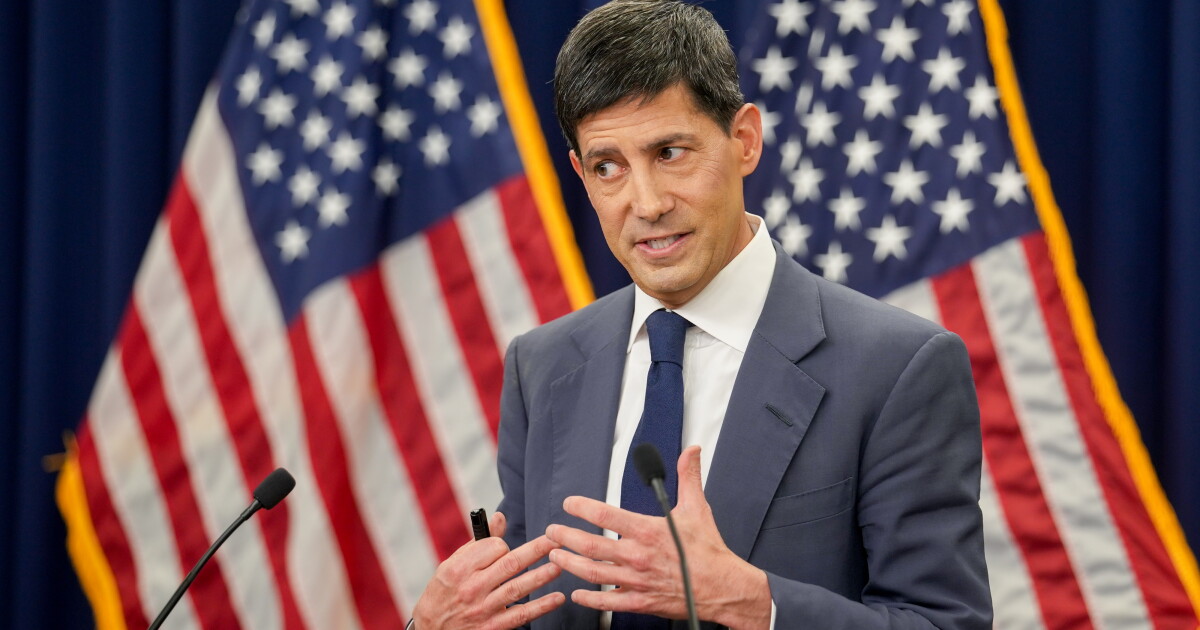
54% of bank leaders want the Fed to weigh a broader data set in policy decisions. Only 18% support less communication, and 13% want rate cuts during rising inflation.
Bank executives broadly support policy reform at the Federal Reserve. What they do not want is less communication about monetary policy, or a central bank more willing to cut rates when inflation is rising.
More than 80% of 402 bank leaders polled in a recent survey from the fintech firm IntraFi said they favor some kind of reform at the central bank. Only one category drew majority support: 54% said the Fed should consider a broader range of data when calibrating policy. The next most popular option, a smaller balance sheet, drew 43%.
Other proposed changes landed softer. Just 18% of respondents supported the Fed communicating less about the path and process for monetary policy. Rob Blackwell, chief content officer of the IntraFi Network, said the aversion is understandable.
"The idea that the Fed is going to communicate less, I think, would cause some level of anxiety about just how much less and whether that drop in communication results in banks not knowing things they otherwise would," said Blackwell, a former editor-in-chief of American Banker. "It's potentially a substantial change to the way things are, so it makes sense that some banks would look at that and say 'Yeah, I don't know about that at all.'"
The least popular option in the survey – backed by just 13% of respondents – was a Fed more willing to cut interest rates when inflation is rising.
The survey comes as newly minted Fed Chair Kevin Warsh advances the "regime change" he promised. Earlier this month he named subject matter experts to lead task forces exploring five reform areas: communications, the balance sheet, data, employment and productivity, and inflation.
Before his confirmation, Warsh had broadly argued for a more accommodative monetary policy. Markets priced in that view. In April, roughly half of federal funds rate futures contracts implied at least a 25 basis point cut by year end, according to the CME Group's FedWatch tool.
Those expectations have shifted sharply. Rising inflation from the Iran war and a surge of spending on artificial intelligence have pushed more than 60% of futures traders to expect at least one hike by year end.
Bankers in the survey had a more sanguine view. The poll, conducted between June 30 and July 15 – largely before the renewed U.S.-Iran hostilities and the rollout of new tariffs – found 55% of respondents expected economic conditions to remain unchanged a year from now. The rest split evenly between improvement and deterioration. On rates, 68% expected no change to the federal funds rate before year end, 29% expected one or two hikes, and 3% called for a cut.
The survey also showed rising concern about stablecoins. Some 63% of participants said stablecoins are somewhat or very likely to hit bank deposit volumes if they are allowed to issue interest-like rewards. That issue has become more salient as last year's stablecoin bill, the GENIUS Act, and the still-pending CLARITY Act on crypto market structure have gained traction.
"When this issue was first coming up two years ago, I think there was a lot less concern about how stablecoin rewards would impact deposits," Blackwell said. "Now that we've had an entire year since the GENIUS Act passed and now the CLARITY Act has happened, you can see that the anxiety has grown. This issue has become center stage."
Those concerns flowed through to deposit competition and funding costs. Just under half of respondents said they have seen more competition for deposits over the past year, compared to 6% that saw less. Some 56% expect even greater competition a year from now. On the funding side, 45% said they expected costs to rise over the next year, even though the same share said funding costs were lower this year than last.
"The battle for deposits is real and has been for a while, and that just seems likely to be getting worse no matter what happens," Blackwell said.
The survey also asked about AI. The top concern, cited by 52% of respondents, was the potential for deposits and payments relationships to shift elsewhere through AI agents.
"If you ask Siri or Alexa to move your money, they can't do that yet. What happens when you're in a world where your AI agent can move money easily just by you asking it to, or just by typing in a simple query?" Blackwell said. "The risk there is that you, as a banker, are losing that deposit relationship."
Other AI concerns included a loss of trust in bank advice (21%), a loss of product cross-selling opportunities (11%), and a loss of fee income (4%). Only 12% said AI posed very little risk or would mostly help banks.
Drafted by a large language model from the source reporting linked above, then screened by automated publishing checks. It is not read by a journalist before publication. Some articles cite our Alpha Score. Verify prices and figures against the original source. Educational coverage, not personalized advice.