Crypto▲ Bullish
Bank of Russia Drafts Rules for Digital Asset Trading Venues
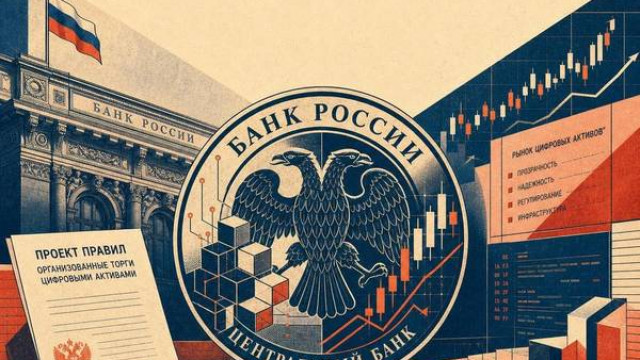
The Bank of Russia published draft rules for organized trading of digital financial assets, setting admission and compliance standards for regulated venues. Details on eligible assets and operators remain open.
Continue with
The Bank of Russia published draft rules for the organized trading of digital assets, laying out how regulated, venue-based trading of digital financial assets could work inside the country's financial system, according to the regulator's published materials.
The proposal comes from the central bank and financial market regulator, which has spent the last two years building the legal scaffolding for digital assets. Earlier steps included rules to regulate crypto more like banks, real-name identification requirements, and tighter capital-flow oversight.
"Organized trading" means activity on a licensed, supervised marketplace rather than informal peer-to-peer arrangements. The draft sets admission standards for assets, compliance obligations for participants, and oversight arrangements for venues that would host such trading.
The measure is a draft. It has not been adopted or implemented. Central bank proposals of this type typically move through consultation and revision before any final version takes effect, consistent with the regulator's earlier policy communications. No timeline for adoption has been given.
Trading venues and participants inside Russia's regulated financial system are the most directly affected. The draft would channel digital-asset activity into supervised venues where conduct and disclosure rules apply. Institutional firms typically require a defined legal and compliance perimeter before entering a market, so a formal trading regime could shape access for domestic and foreign entities.