Crypto● Neutral
Bank of France Pushes for Tighter MiCA Rules on Stablecoins
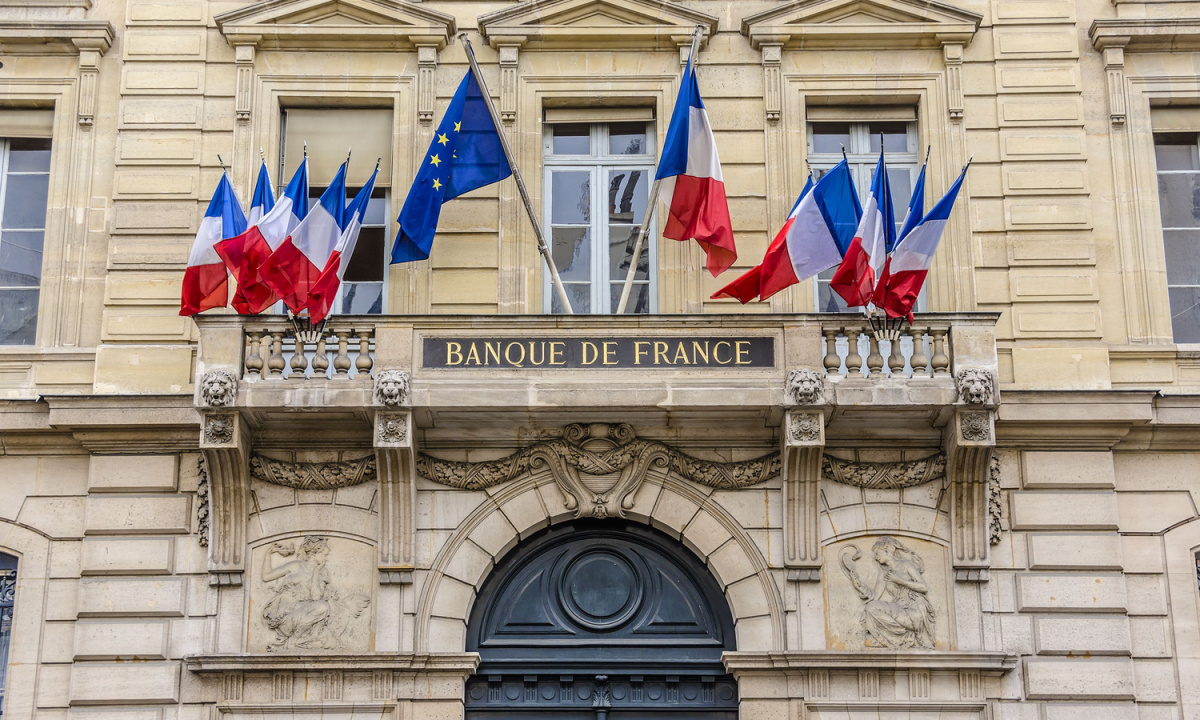
French regulators seek to curb non-euro stablecoins to protect financial sovereignty. Expect increased compliance costs and potential volatility for traders.
Continue with
A Call for Regulatory Tightening
The Bank of France has officially signaled its intent to push for more stringent oversight of non-euro-backed stablecoins, urging European Union policymakers to evolve the existing Markets in Crypto-Assets (MiCA) regulation. As the digital asset landscape matures, French monetary authorities are raising alarms over the systemic risks posed by stablecoins not denominated in the euro, arguing that the current framework may be insufficient to protect the bloc’s financial sovereignty.
This push for regulatory expansion reflects a growing concern among central bankers that digital assets pegged to foreign currencies—most notably the U.S. dollar—could undermine the stability of the European financial system if left unchecked. By prioritizing the dominance of euro-backed assets, the Bank of France aims to safeguard monetary policy efficacy within the eurozone.
The MiCA Context: Balancing Innovation and Stability
MiCA, the landmark regulatory framework designed to provide legal certainty for crypto-assets across the EU, was intended to be the gold standard for consumer protection and market integrity. However, the Bank of France believes the current iteration of the regulation needs to be refined. The central bank's stance emphasizes that stablecoins are not merely technological novelties; they are monetary instruments that, if widely adopted, could facilitate capital flight or complicate the European Central Bank’s (ECB) ability to manage inflation and liquidity.
While MiCA has already introduced rigorous requirements for stablecoin issuers—including capital reserves and governance standards—the Bank of France suggests that these rules do not go far enough to mitigate the specific risks associated with non-euro assets. The central bank’s recent communications highlight a desire to ensure that any stablecoin achieving significant scale within the EU remains tethered to the economic realities of the eurozone.