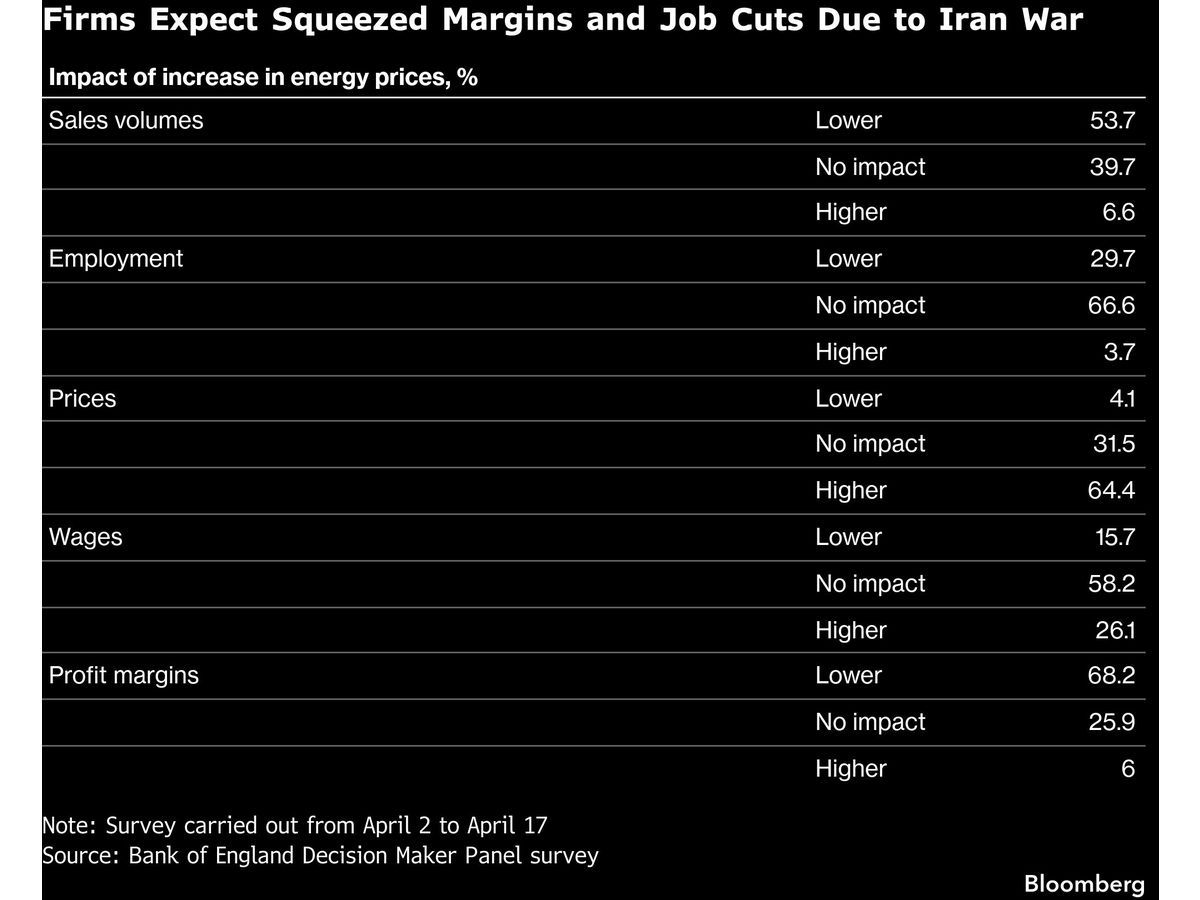
The Bank of England is shifting its internal focus toward stress-testing the domestic economy against a sustained energy price shock. While the central bank maintains its current interest rate stance, the upcoming policy sessions will incorporate war-game scenarios designed to measure the resilience of inflation targets against persistent energy cost volatility. This move signals a departure from viewing energy spikes as transitory events and suggests a strategic pivot toward managing long-term structural pressures on the United Kingdom economy.
Energy Supply and Inflationary Persistence
The decision to model extended energy shocks reflects a growing concern regarding the duration of supply chain disruptions and their subsequent impact on consumer price indices. By simulating scenarios where energy costs remain elevated for an extended period, the Bank of England aims to determine the threshold at which monetary policy must tighten to prevent inflation expectations from de-anchoring. This approach prioritizes the stability of the currency and the containment of wage-price spirals that often follow sustained energy inflation.
Market participants are monitoring these developments to gauge how the central bank balances growth concerns against the necessity of cooling demand. If the war-game scenarios indicate that the economy can withstand higher rates despite the energy burden, the likelihood of future rate hikes increases. Conversely, if the models reveal significant risks to industrial output, the central bank may opt for a more cautious path to avoid triggering a deeper recessionary cycle.
Structural Risks to Industrial Output
Energy-intensive sectors remain the primary point of failure in these stress tests. The reliance on imported energy sources leaves the domestic market vulnerable to global price fluctuations, which directly affects the operating margins of heavy industry. The Bank of England is examining how these cost pressures translate into reduced capital expenditure and lower employment levels across the manufacturing sector.
- Energy price volatility impacts the cost of production for domestic firms.
- Central bank modeling focuses on the duration of price spikes rather than immediate fluctuations.
- Policy adjustments will depend on the sensitivity of inflation to these sustained energy costs.
This analytical shift is occurring alongside broader shifts in the technology and consumer sectors, where companies are navigating their own cost-of-capital challenges. For instance, firms like ServiceNow Inc. (Alpha Score 52/100) and Shopify Inc. (Alpha Score 47/100) are managing their own operational efficiencies as the broader economic environment remains mixed. Similarly, Amer Sports, Inc. (Alpha Score 47/100) continues to operate within this complex consumer cyclical landscape. Our commodities analysis indicates that the correlation between central bank policy and energy futures remains tight, as the cost of capital dictates the viability of long-term energy infrastructure projects.
The next concrete marker for this policy shift will be the release of the updated Monetary Policy Report. This document will likely contain the qualitative findings from these energy shock simulations, providing the necessary transparency for investors to adjust their expectations regarding the trajectory of interest rates. The bank's ability to communicate its tolerance for inflation versus its commitment to growth will be the primary driver of market sentiment in the coming quarter.