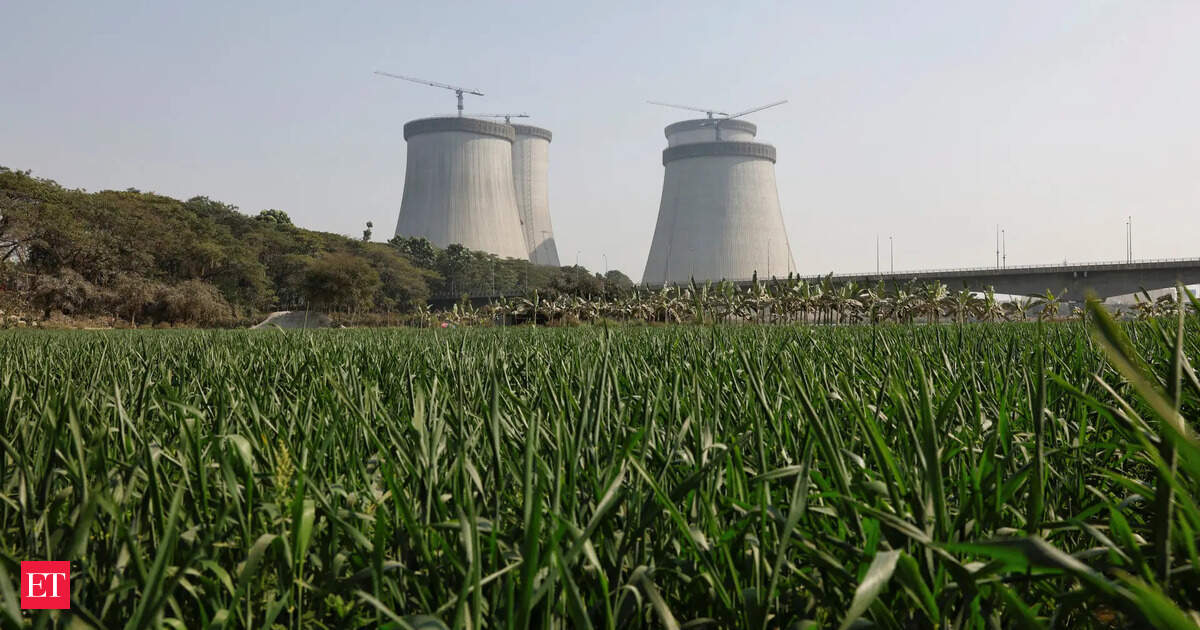
Bangladesh switched on its first nuclear power plant this week, a 2,400 MW facility built by Russia's Rosatom that makes the country the 30th to operate atomic reactors. The Rooppur plant, the largest single power project in Bangladesh's history, began commercial generation after fuel loading in September and a grid connection weeks later.
The start-up tests a thesis the nuclear industry has pushed for years: that atomic power can work in developing economies with weak grids and limited regulatory experience. Proponents argue the technology delivers baseload carbon-free electricity without the intermittency of solar or wind. Bangladesh's grid has struggled with blackouts, and the government has pledged to add 40 GW of generation capacity by 2041.
Critics point to cost overruns and safety concerns. Rooppur's price tag swelled to roughly $14 billion, financed largely through a Russian loan that accounts for a significant slice of Bangladesh's external debt. The plant sits near the Ganges-Brahmaputra delta, raising questions about flood risks. Rosatom has said the design complies with post-Fukushima safety standards.
The commercial launch comes as the global nuclear industry sees renewed interest from developing countries. Egypt, Turkey, and Ghana are pursuing first reactors. Poland and Saudi Arabia have announced plans. The International Atomic Energy Agency has said at least 30 countries are considering or actively preparing nuclear programs, up from 19 a decade ago.
For uranium suppliers, the new capacity represents a demand driver beyond the mature markets of the US, France, and Japan. The World Nuclear Association estimated global reactor requirements will rise 28% by 2030, with most growth coming from Asia and the Middle East. Spot uranium prices have held near $80 a pound this year, supported by that outlook, according to industry data provider UxC.
Rosatom's role in Bangladesh has drawn geopolitical attention. The US and its allies have sought to reduce reliance on Russian nuclear fuel and technology. Rosatom remains the dominant exporter of turnkey reactors to emerging markets. Western rivals such as Westinghouse and Korea Hydro & Nuclear Power have struggled to match its financing terms, which often include state-backed loans and fuel supply agreements.
Bangladesh's regulatory authority has issued a 20-year operating license for the first unit. The second unit, also a 1,200 MW VVER-1200, is expected to reach criticality in late 2026, which would double the plant's output to 4,800 MW.