Stocks● Neutral
Bakrid Date Revision Splits India's Holiday Calendar
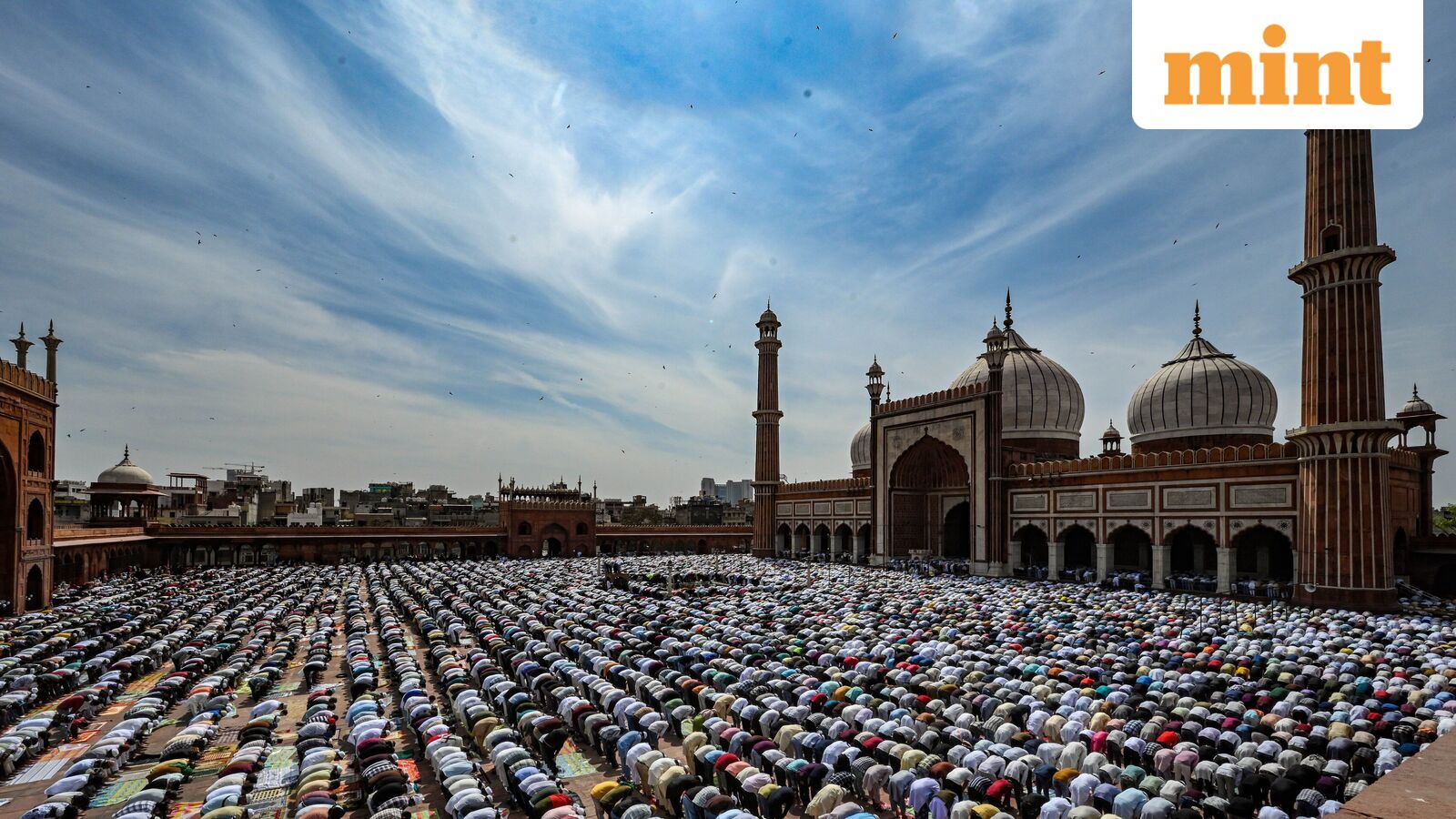
Kerala gets two-day Bakrid break while West Bengal cuts to one, shifting retail footfall and government operations. The moon-sighting revision alters May 2026 trading days.
Continue with
The 2026 Bakrid (Eid al-Adha) date in India shifted one day later than the originally scheduled holiday after the crescent moon was sighted on 18 May, setting the festival on 28 May instead of 27 May. The change forced several state governments and the central administration to revise their holiday calendars, creating a fragmented picture of non-working days across the country. For traders and analysts tracking consumer spending, logistics, and government-adjacent sectors, the date adjustment is a concrete near-term event that will alter retail footfall, travel patterns, and public-sector operational costs in the affected regions.
Moon Sighting Revises Bakrid to 28 May
Imarat-e-Sharia Hind, the Shahi Imam of Fatehpuri Mosque in Delhi, and the Shahi Imam of Jama Masjid jointly declared on 22 May that the three-day Bakrid celebrations would begin on 28 May – one day after the calendar date. The personnel ministry of the central government confirmed the shift the same day, stating that all administrative offices in Delhi/New Delhi would close on 28 May instead of 27 May.
The Lunar Calendar Mechanism
The Islamic calendar is lunar: Eid al-Adha falls on the 10th day of Zil Hijja, which begins when the crescent moon is sighted. A 17 May sighting in Kashmir led to a 27 May Eid there, while the majority of India sighted the moon on 18 May, pushing the festival to 28 May. This localised discrepancy is not unusual, the scale of the calendar correction – multiple state governments had already printed 2026 holiday schedules – creates a one-off event for sectors that depend on predictable leave patterns.
Central Government Confirms Holiday Shift
On 22 May, the personnel ministry issued a statement: "Central government administrative offices located at Delhi/New Delhi shall remain closed on 28th May, 2026, on account of Id-ul-Zuha (Bakrid) (in place of 27th May, 2026)." The directive effectively replaced the previously scheduled 27 May holiday with 28 May, leaving the capital with only a single day off.
State-Level Fragmentation: Kerala, West Bengal, and J&K
Three distinct patterns emerged from the revision:
- Kerala: Declared a two-day holiday on 27 and 28 May, giving government offices and educational institutions a consecutive break. The General Administration Department notified that both Wednesday and Thursday would be non-working days for all state government offices, public sector undertakings, and educational institutions including professional colleges.
- West Bengal: The state initially declared 26 and 27 May as holidays. After the revision, it cut to one holiday on 28 May, with both 26 and 27 May becoming regular working days. The government order specified: "In terms of Notification No. 4188-F(P2) dated 27th November, 2025, 26th May, 2026 (Tuesday) and 27th May, 2026 (Wednesday) were declared as public holidays... Now, information has been received that Id-Ud-Zoha (Bakrid) will be observed on 28th May, 2026 (Thursday). Accordingly... the Governor is pleased to declare 28th May, 2026 (Thursday) as a public holiday."
- Jammu and Kashmir: Celebrated on 27 May (the Saudi Arabia date) because local clerics sighted the crescent moon on 17 May. The state operated on a different calendar from the rest of India, observing 18 May as the first day of Zil Hajj.
Practical rule: Companies with heavy exposure to Kerala government contracts – infrastructure, IT services, education – will see two non-working days, while those relying on West Bengal public-sector operations lose a previously expected long weekend.