Australia forces 96 Cryptolink crypto ATMs offline in AML crackdown
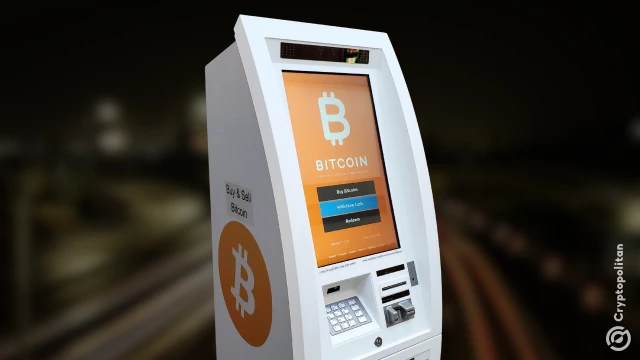
AUSTRAC suspended Cryptolink's registration, taking 96 crypto ATMs offline for three months after the operator failed to report large cash transactions. The move adds to a global crackdown on cash-to-crypto kiosks linked to fraud.
Australia’s anti-money laundering authority suspended the registration of Cryptolink Pty Ltd, shutting down 96 cryptocurrency ATMs for three months starting August 9, 2026. The Australian Transaction Reports and Analysis Centre (AUSTRAC) said the company failed to submit required threshold transaction reports and did not respond to a request for information, even after meeting the terms of an October 2025 enforceable undertaking that included a A$56,340 penalty for late reporting of large cash transactions and weak anti-money laundering risk assessments.
The suspension is the latest in a global push against cash-to-crypto kiosks, which regulators increasingly link to fraud and money laundering. In the United States, Indiana, Tennessee and Minnesota have enacted bans on crypto ATM use by consumers. Canada’s 2026 Spring Economic Update proposes a ban on the machines, citing their role in scams and illicit fund flows. The UK’s Financial Conduct Authority shut down 26 illegal Bitcoin ATMs in 2023, cutting the active count by nearly 90%, TRM Labs data showed. In 2025, the FCA secured the first criminal conviction of a crypto ATM operator, sentencing Olumide Osunkoya to four years in prison. Germany’s BaFin confiscated machines and €250,000 in cash in a 35-location operation in August 2024, arguing the ATMs operated without required banking licenses.
Crypto ATMs sit at a specific intersection of risk: they convert cash into cryptocurrency that can be transferred instantly across borders. TRM Labs reported that cash-to-crypto services show an illicit transaction rate of 1.2%, almost double the 0.63% rate across the wider crypto ecosystem. The firm estimated that roughly $160 million in illicit funds has moved through cash-to-crypto channels since 2019, including more than $30 million sent to known scam accounts in 2023.
Consumer losses are climbing fast. The Federal Trade Commission (FTC) said cryptocurrency ATM scam losses rose 1,000% from 2020 to reach $388 million in 2025, up 58% from 2024. People over 60 are more than three times as likely to lose money through a crypto ATM scam, with average losses around $10,000, according to the FTC. AUSTRAC’s own data showed that people aged 50 to 70 account for roughly 72% of the total value of crypto ATM transactions. An analysis of 90 frequent users found that 85% were either scam victims or money mules, the regulator said.
Australia’s crypto ATM network expanded rapidly from 23 machines in 2019 to about 2,000 in October 2025. AUSTRAC reported nearly 150,000 transactions annually, moving about A$275 million. The network has since contracted. Data from the regulator showed 2,036 machines in December 2025, falling to 1,996 in January 2026, 1,763 in June, and 1,745 on August 10, 2026 – a decline of 291 machines, or 14.3%, from the peak.
Taking 96 machines offline is unlikely to move Bitcoin prices by itself. The global crypto ATM market was worth $356.72 million in 2025, according to Fortune Business Insights, which projects a 54.8% compound annual growth rate through 2034. North America accounted for 88.7% of global revenue in 2025. The Australian action adds to a broader squeeze on physical crypto infrastructure, but the market concentration means the impact is gradual rather than dramatic: fewer cash access points, tighter transaction limits, higher compliance costs, and more scrutiny of fund flows.
AUSTRAC is also seeking expanded powers to regulate high-risk goods, services, or delivery methods when existing controls are insufficient. It specifically singled out cryptocurrency ATMs because they convert cash to assets that can be transferred quickly and nearly invisibly, the regulator said.
Cryptolink ran 96 cryptocurrency ATMs across Australia. Its registration is suspended for three months from August 9, 2026.
Drafted by a large language model from the source reporting linked above, then screened by automated publishing checks. It is not read by a journalist before publication. Some articles cite our Alpha Score. Verify prices and figures against the original source. Educational coverage, not personalized advice.