Atlanta will host eight FIFA World Cup matches this summer, an event the Metro Atlanta Chamber says will draw 520,000 spectators. The businesses along Edgewood Avenue and the airport corridor have a simple question: does any of that money reach their block?
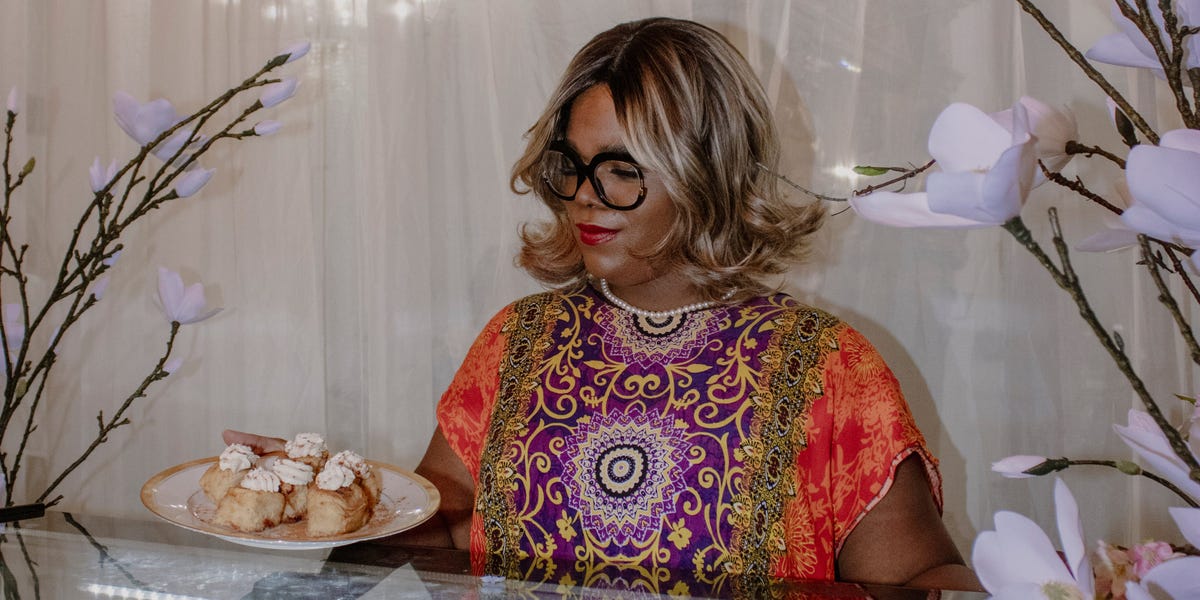
Cyrei Daniel runs Sweet Me Good, a bakery on Edgewood Avenue one block from the King Center. She applied for grants and attended city council meetings to push for a small-business plan tied to the tournament. She received two grants. Two weeks before the first match, she told Business Insider there were no banners, no flags, nothing on her street signaling the tournament was coming.
A million people visit the King Center every year. The streetcar line from downtown runs directly past Daniel's shop. Whether World Cup visitors ride it to Edgewood is the open variable.
Ona Utuama started planning a year ago. Her eyewear brand, Tribal Eyes, is carried in Nordstrom and Bloomingdale's. She designed flag-printed sunglasses for each competing country and plans to vend at a brand activation near Mercedes-Benz Stadium during the first qualifier round, June 15 through June 27. Separately, she built CollabMD Direct Primary Care, a cash-pay clinic for international visitors without American insurance. QR codes distributed through hotels, taxis, and Airbnb hosts direct visitors to same-day appointments and telemedicine in multiple languages.
Utuama projects $50,000 to $90,000 in revenue from the tournament across both businesses. The clinic's World Cup page offers language selection, IV hydration, and same-day availability. She approached the Marriott Marquis, which said it loved the idea and would follow up. She submitted a capability statement to Hartsfield-Jackson airport, which has been exploring a potential on-site clinic.
Brian Lee started planning in late 2024. His company, Scratch Food Group, makes plant-based products sold at Walmart. He saw the World Cup as a way to introduce his brand to a global audience and set a revenue target of $30,000 during the tournament. He attended city meetings, then built his own strategy rather than wait for a city program.
By spring he had secured a spot at a corporate FIFA partner's watch party, lined up pop-ups with Atlanta Breakfast Club and the Belt Hub at Ponce City Market, and won a Beltline Business Ventures grant to launch a mobile Scratch Cafe cart. He invested $15,000 in mobile carts, a commercial doughnut machine, mobile proofers, smallwares, and access to a new commercial kitchen. He brought on additional staff.
Lee told Business Insider he wished someone had told him to stop waiting on the city to figure out the World Cup plan for small businesses. He should have just plowed ahead, he said. When asked whether zero benefit from the whole thing would surprise him, he said it would not. Too many unknown variables.
The Scratch Cafe cart concept is designed to operate at Atlanta Breakfast Club, the Belt Hub, and other venues long after the tournament ends. The World Cup is a launchpad, not the full play.
Vanetta Roy, owner of Eat My Biscuits in East Point, seven minutes from the airport, has been doing it herself. She launched World Cup merchandise, redesigned staff uniforms, and added a limited-edition lobster biscuit called the "Gold Getter" to the menu for the summer. She optimized her Google Business Profile so international visitors searching for food near the airport can find her.
Roy has extra incentive. According to a September 2025 CBS News Atlanta report cited in the Business Insider article, a beautification project in East Point placed a fence directly in front of her restaurant, cutting off street visibility. She lost roughly $200,000 in revenue compared with the prior year. She laid off staff and fell behind on rent.
"Business as usual," Roy said when asked about the risk that the World Cup does not deliver.
The numbers from the entrepreneurs show a pattern. Utuama's $50,000–$90,000 range depends on two businesses she built specifically for the event. Lee's $30,000 target depends on pop-up locations and a mobile cart that he arranged himself. Neither relies on a city-run program or a centralized small-business fund.
Atlanta last hosted an event of this scale in 1996. Lee has closely tracked the city's preparations. He noted that small businesses largely missed the financial wave from the Olympics. Mayor Dickens has publicly vowed that the World Cup will be different. The businesses interviewed for the article describe a pattern of self-reliance. City meetings produced talk, not infrastructure. The grants Daniel received helped. They were her own initiative, not a coordinated rollout.
The concentration of spectators around Mercedes-Benz Stadium and surrounding corridors is clear. Outside that zone, businesses must pull foot traffic their own way. Daniel's bakery sits one block from the King Center, a million-visitor draw. The streetcar is a direct link. Whether World Cup visitors take it is the open question.
Roy's line – business as usual – captures the reality for those betting on the World Cup. The hope is that the month delivers a bump. The plan assumes it may not.