Macro● Neutral
Why Federal Regulation Is Keeping Grocery Prices Artificially High
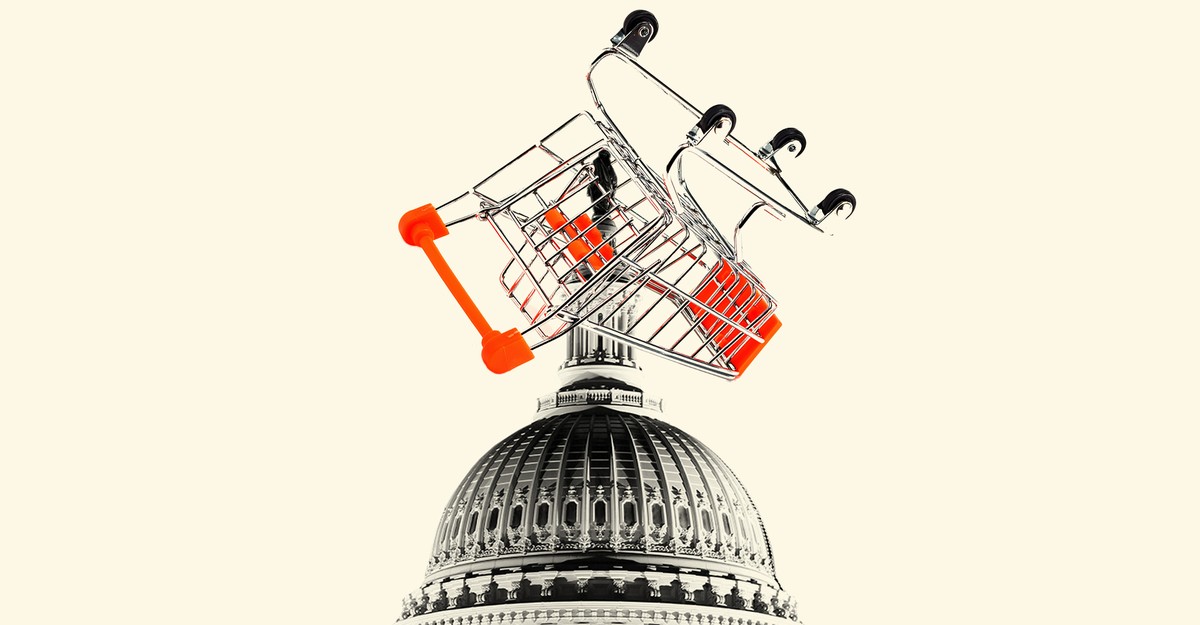
Federal mandates create a regulatory moat that inflates food costs, forcing retailers to pass expenses to consumers. Expect persistent CPI-driven volatility.
Continue with
The Structural Barrier to Affordable Food
As the debate over the cost of living dominates the national discourse, the focus of political leadership has remained squarely on the symptoms rather than the root causes of grocery inflation. While rhetoric from the White House—specifically from Vice President Kamala Harris—has centered on the narrative of corporate greed and price gouging, a deeper analysis of the agricultural and supply-chain landscape reveals a more complex reality: a dense web of federal regulation that artificially props up food prices and protects entrenched corporate interests at the expense of the consumer.
For traders and macro analysts, the distinction is vital. If policymakers misdiagnose the cause of inflation, they are likely to implement solutions that exacerbate, rather than mitigate, price volatility. The current trend of targeting firms for 'price gouging' ignores the structural supply-side constraints that keep domestic food prices tethered to an artificially high floor.
The Regulatory 'Moat' Around Big Ag
The American food system is currently shielded by a complex architecture of laws that effectively serve as a barrier to entry for smaller competitors. These federal mandates, ranging from archaic agricultural subsidies to stringent packaging and processing requirements, create a 'regulatory moat' that insulates dominant players from the pressures of a truly free market. When the federal government intervenes to protect these interests, it essentially guarantees that the cost of production remains inflated.
Historically, market liberalization has been the primary driver of lower consumer costs. However, in the current environment, we have seen an expansion of federal oversight that increases compliance costs for farmers and food processors. These costs are inevitably passed down the supply chain, culminating in the higher prices observed at the checkout counter. When officials blame retailers for these price surges, they are ignoring the reality that retailers are merely the final link in a chain burdened by federal policy interventions.