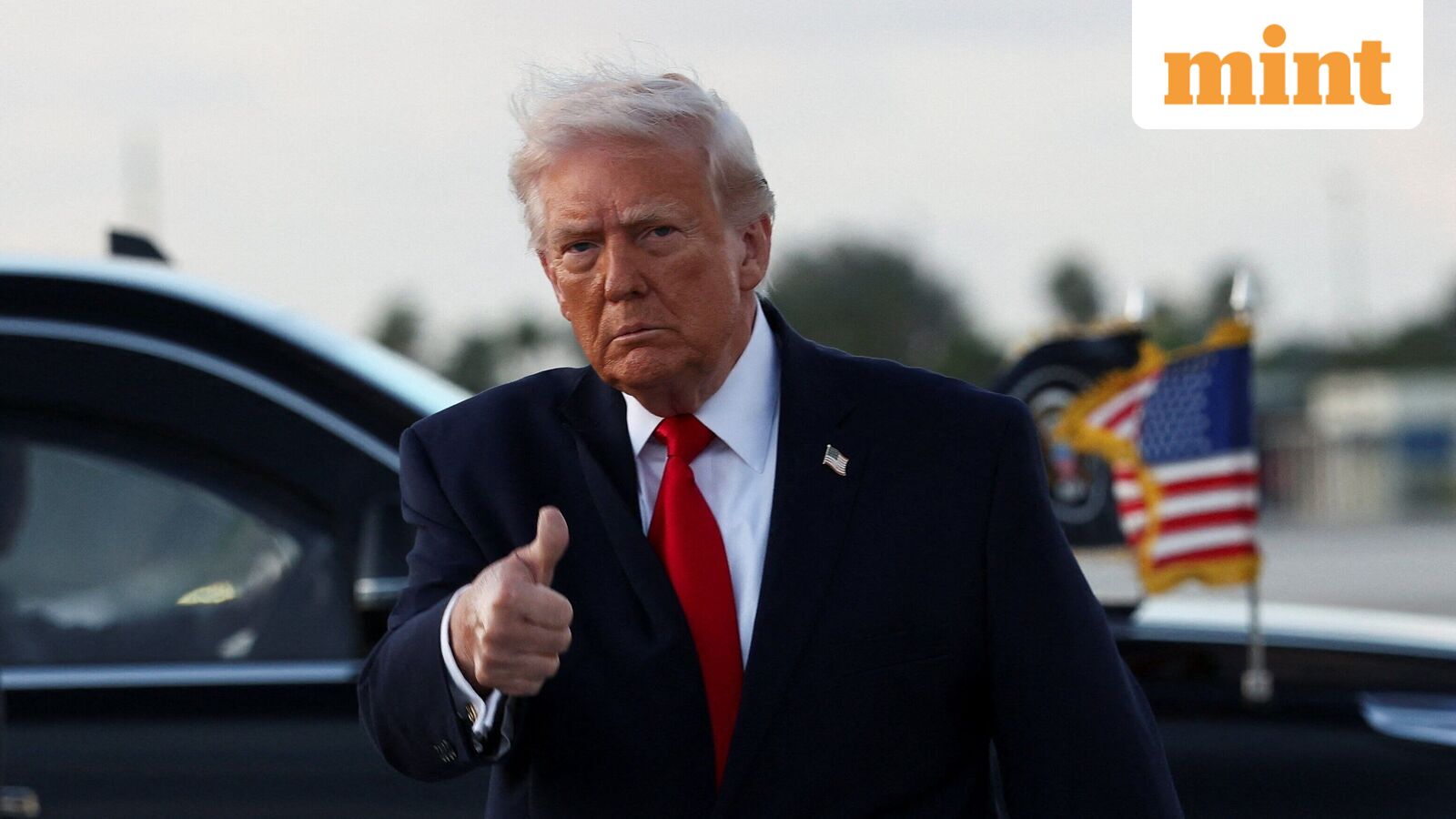
Trump Issues Stern Warning to Beijing Over Alleged Arms Transfers to Iran

President Trump has warned Beijing of severe consequences following intelligence reports of secret Chinese air defense shipments to Iran, casting a shadow over upcoming summit talks.
Geopolitical Friction Escalates
In a move that threatens to destabilize an already precarious diplomatic landscape, U.S. President Donald Trump has issued a blunt warning to Beijing, signaling that China faces “big problems” should evidence confirm reports of secret air defense weapon shipments to Iran. The allegations arrive at a critical juncture in international relations, occurring simultaneously with ongoing ceasefire negotiations in Islamabad and looming preparations for a high-stakes bilateral summit between President Trump and his Chinese counterpart, Xi Jinping, scheduled for next month.
The Intelligence Shadow
The core of the current tension stems from intelligence reports suggesting that Beijing may be facilitating the transfer of advanced air defense capabilities to Tehran. For global markets and geopolitical analysts, the timing is particularly combustible. The U.S. has maintained a posture of containment regarding Iranian military capabilities, and any direct military support from a global superpower like China would mark a significant escalation in the regional proxy conflicts that have long kept energy markets and risk assets in a state of volatility.
“The administration is clearly drawing a red line,” noted one regional security observer. “By framing this as a potential source of ‘big problems,’ the White House is signaling that the upcoming visit with President Xi will be dictated by this specific intelligence, rather than the intended trade or economic agenda.”
Market Implications and Trade Sensitivity
For traders and macro investors, the implications are twofold. First, the threat of “big problems” suggests the potential for further trade friction or even targeted sanctions, should the U.S. determine that China has violated international proliferation norms. Historically, any escalation in U.S.-China rhetoric tends to trigger a flight to safety, typically benefiting the U.S. Dollar and precious metals while weighing on emerging market equities.
Second, the intersection of this news with the Islamabad ceasefire talks adds a layer of complexity to the energy sector. If China is perceived as bolstering Iran’s defensive posture, the fragile nature of the current ceasefire could unravel, leading to increased risk premiums on crude oil. Investors should monitor how these accusations influence the tone of the upcoming summit; if the rhetoric softens, it could pave the way for a more stable geopolitical environment. Conversely, a firm stance from Washington could lead to a rapid repricing of risk across both Asian and American indices.
Looking Ahead: The Xi Summit
As the diplomatic calendar turns toward the upcoming meeting between the two leaders, the focus shifts to whether Beijing will offer clarification or concessions regarding the alleged shipments. The market will be closely watching for any official statements from the Chinese Ministry of Foreign Affairs that might mitigate the fallout from President Trump’s comments.
Traders should remain cautious. The volatility inherent in such high-level diplomatic disputes often results in rapid, sentiment-driven price swings. With the summit just weeks away, the window for de-escalation is narrow, and the risk of a miscalculation in either capital remains elevated. Investors are advised to watch for any further intelligence disclosures that could quantify the extent of the alleged arms transfers, as this will likely serve as the primary catalyst for any subsequent policy response from the Trump administration.