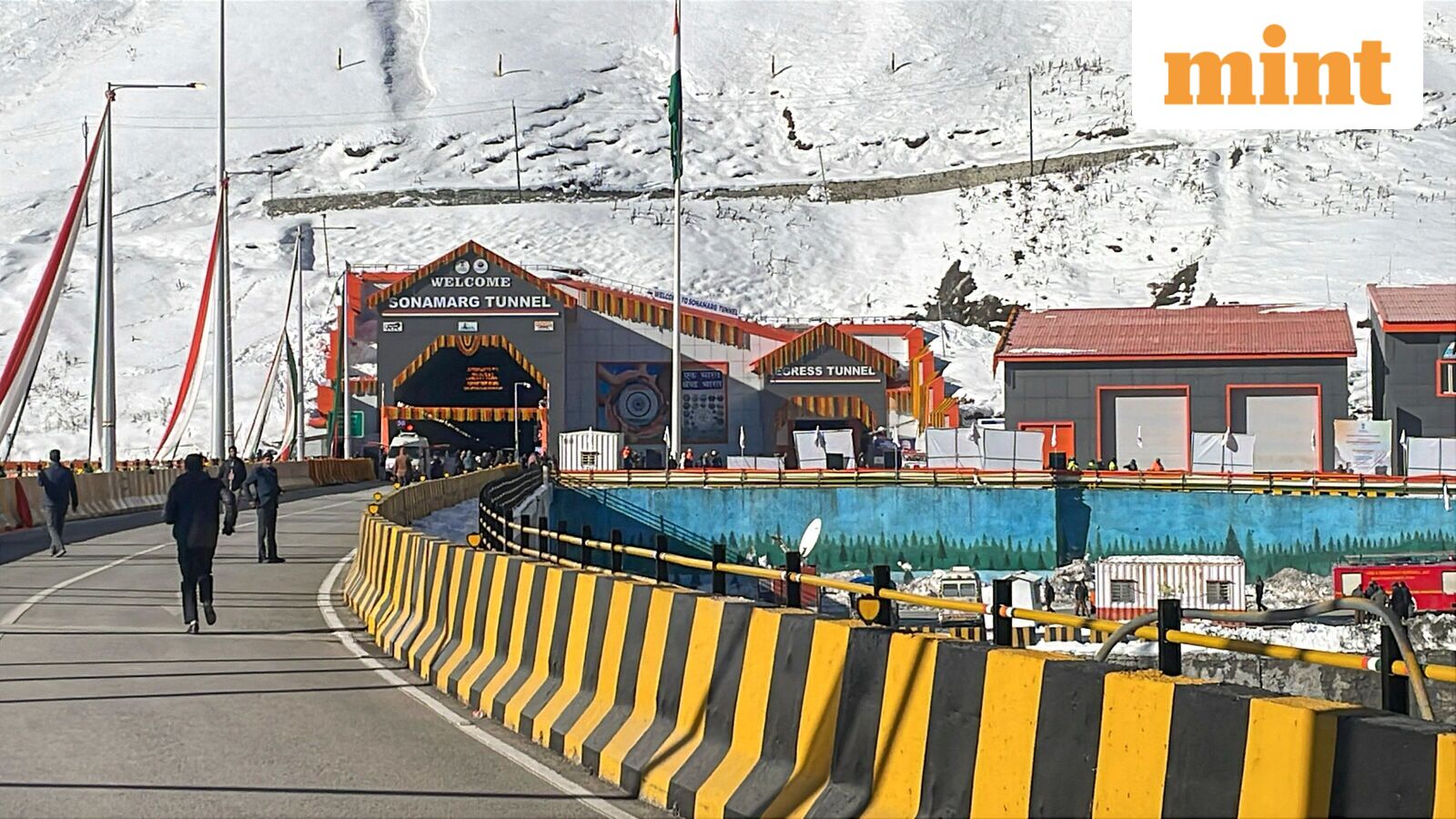
APCO Infratech is reportedly in advanced negotiations to divest its stake in the Z-Morh tunnel project to Alpha Alternatives for approximately $267 million. The 6.5-kilometer tunnel serves as a critical infrastructure asset in Jammu and Kashmir, providing year-round connectivity to Ladakh by bypassing high-altitude, avalanche-prone terrain. The project was completed under a design-build-finance-operate-transfer model awarded by the National Highways and Infrastructure Development Corporation Limited in 2020.
Strategic Asset Monetization in Infrastructure
The potential sale reflects a broader trend of infrastructure developers seeking to recycle capital from completed, operational assets into new construction projects. By offloading the Z-Morh tunnel, APCO aims to improve its balance sheet liquidity and reduce the long-term operational burden associated with complex mountain infrastructure. The valuation of the deal suggests a premium on the original construction cost of 2,400 crore rupees, accounting for the strategic importance of the route for both military logistics and civilian transit.
For Alpha Alternatives, the acquisition represents an entry into high-barrier-to-entry infrastructure assets with long-term revenue visibility. These tunnels often feature government-backed annuity or toll-based revenue structures that provide stable cash flows insulated from broader economic volatility. The transition of ownership from a construction-focused firm to an investment-focused entity is a standard lifecycle event for major public-private partnership projects in the region.
Sector Read-Through and Operational Continuity
The shift in ownership does not alter the underlying operational requirements of the Z-Morh tunnel. As a vital link for the Indian military and regional logistics, the asset remains subject to strict maintenance and safety protocols mandated by the state. Investors monitoring the industrial and infrastructure sectors should note that such divestments often signal a developer's intent to pivot toward new bidding cycles rather than a retreat from the sector.
AlphaScala data currently tracks various industrial and consumer-facing equities to assess sector health. For instance, J (JACOBS SOLUTIONS INC.) holds an Alpha Score of 40/100, reflecting a mixed outlook within the broader industrials space. While the Z-Morh transaction is specific to the Indian infrastructure market, it underscores the ongoing appetite for yield-generating assets among private equity and alternative investment managers.
Market participants should monitor the finalization of the deal, specifically the transfer of operational liabilities and the regulatory approval process from the National Highways and Infrastructure Development Corporation Limited. The next marker for this transaction will be the formal filing of the asset transfer and the subsequent release of capital back into APCO's project pipeline. This movement will clarify the company's capacity for future infrastructure bidding and its overall debt reduction strategy. Further stock market analysis suggests that infrastructure developers will continue to prioritize these divestments as a primary mechanism for funding new, large-scale engineering contracts.