Macro● Neutral
Pentagon Blacklist Stays as Court Rejects Anthropic Appeal
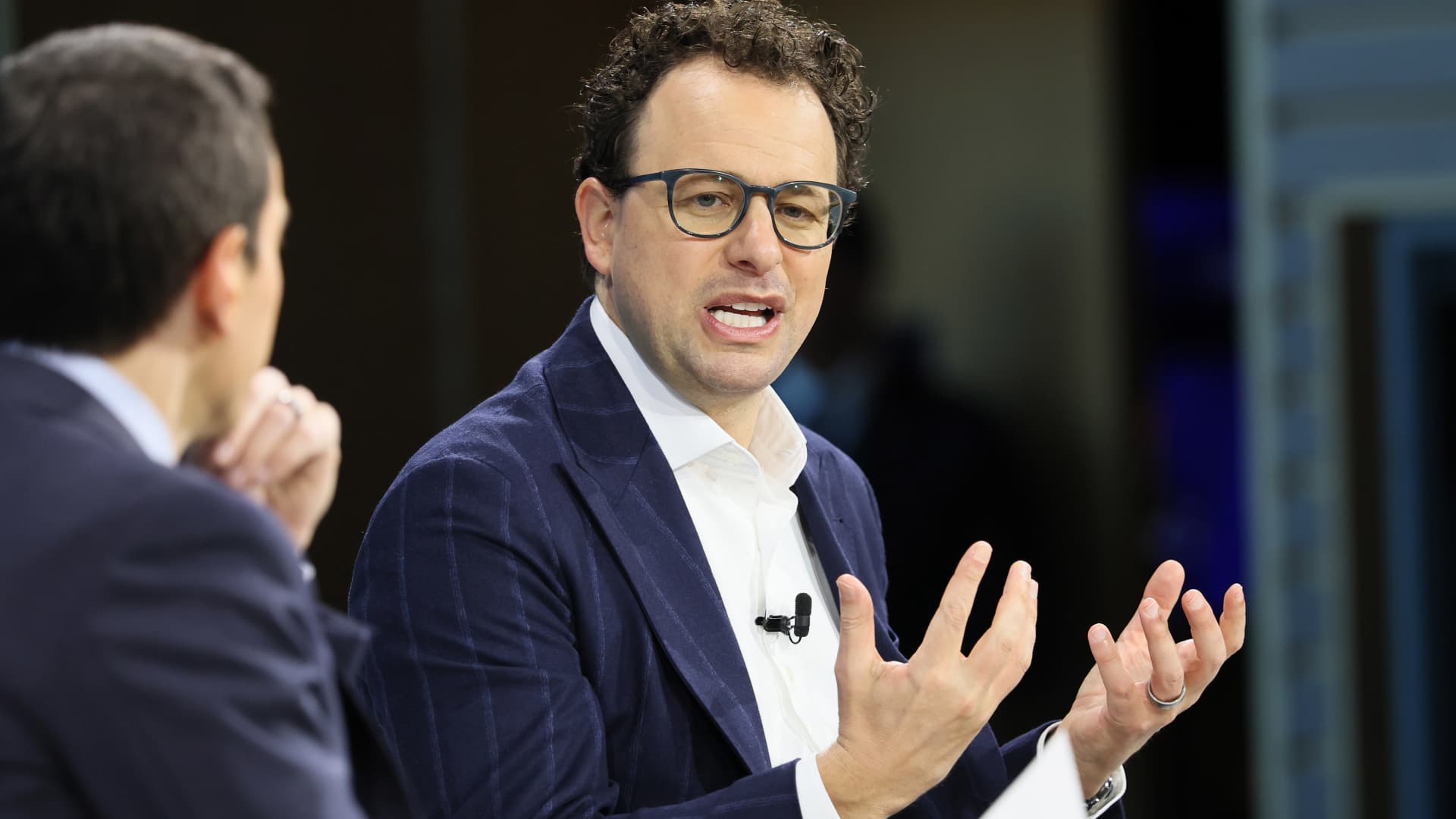
The federal appeals court denial leaves Anthropic sidelined from lucrative defense contracts, signaling increased friction between AI firms and the Pentagon.
Continue with
A Setback in the Defense Sector
In a significant legal development for the artificial intelligence sector, a federal appeals court has denied Anthropic’s request for a temporary stay in its ongoing litigation against the U.S. Department of Defense (DoD). The motion, which sought to pause the Pentagon’s recent move to blacklist the AI developer from specific defense-related contracts, was rejected by the appellate panel, leaving Anthropic in a precarious position regarding its future integration into federal security infrastructure.
This ruling marks a critical inflection point in the broader struggle between rapidly evolving AI firms and federal regulatory bodies tasked with overseeing national security protocols. While the merits of the underlying lawsuit remain to be adjudicated, the court’s refusal to grant an emergency stay suggests a judicial reluctance to intervene in the administrative discretion of the Department of Defense at this early stage of the proceedings.
The Context of the Blacklisting
The dispute centers on the Department of Defense’s decision to restrict or effectively blacklist Anthropic from certain procurement pipelines. For a company that has positioned itself as a leader in 'constitutional AI'—prioritizing safety and alignment—this exclusion creates a substantial barrier to entry in one of the most lucrative sectors of the tech market: government defense contracts.
For investors and market participants, the case highlights the growing friction between Silicon Valley’s innovation cycles and the Department of Defense’s stringent, often slow-moving security requirements. As the DoD looks to integrate Generative AI into its logistical and tactical frameworks, the vetting process for these models has become a focal point of intense scrutiny. The Pentagon’s move to blacklist Anthropic signals that federal agencies are increasingly prioritizing control and proprietary security over the rapid adoption of commercial-off-the-shelf (COTS) AI solutions.