Macro● Neutral
Netanyahu Warns of Fragile Ceasefire as Regional Risks Persist
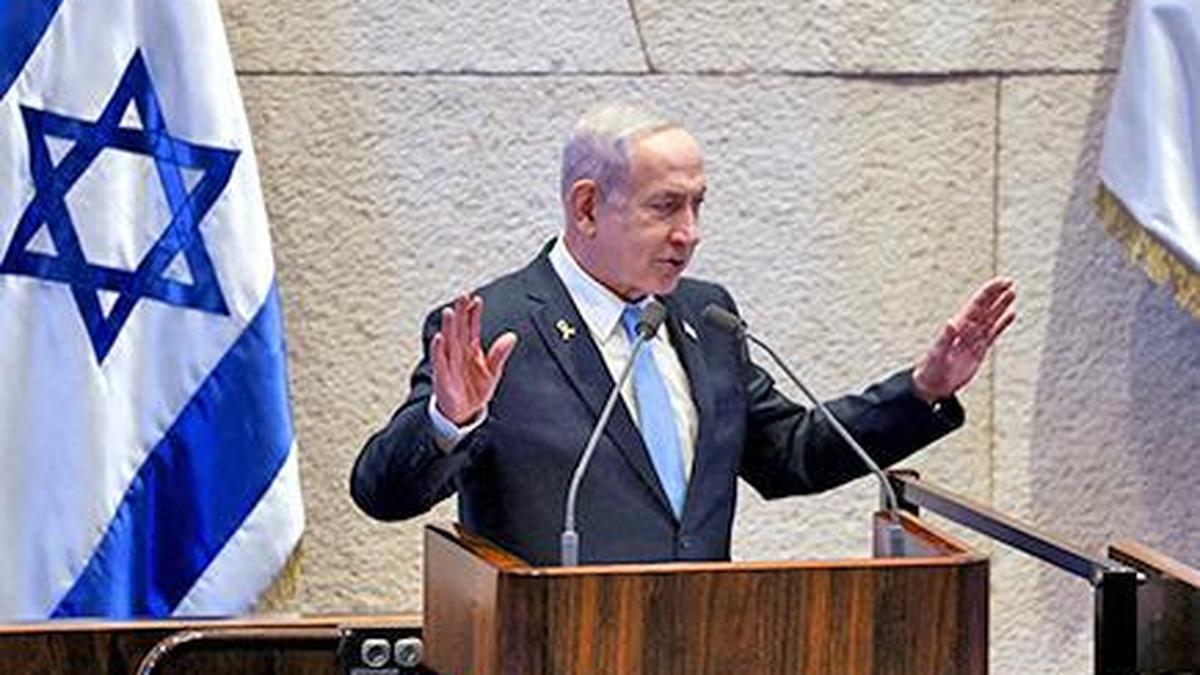
Israel’s readiness to resume military operations keeps global markets on edge. Monitor U.S.-Iran diplomatic talks for shifts in energy and safe-haven assets.
Continue with
Escalating Rhetoric Amidst Diplomatic Uncertainty
Israeli Prime Minister Benjamin Netanyahu has issued a stern warning to Tehran, characterizing the current ceasefire as a precarious arrangement while emphasizing that Israel remains fully prepared to resume military operations should regional stability falter. In a statement underscoring the volatility of the current geopolitical landscape, Netanyahu declared that Israel is prepared to achieve its strategic objectives either through existing agreements or by returning to active conflict, explicitly noting that the nation’s “finger is on the trigger.”
This rhetoric arrives at a critical juncture as U.S.-Iran diplomatic discussions resume, aimed at navigating the complex web of tensions across West Asia. The combination of sustained military readiness and high-stakes diplomacy has injected a layer of uncertainty into global markets, which are increasingly sensitive to any disruption in the Middle East’s energy and logistics corridors.
The Geopolitical Context
For traders and macro analysts, the situation represents a classic 'geopolitical risk premium' scenario. The region remains a focal point for global oil supply stability and broader systemic risk. Netanyahu’s insistence that the ceasefire is fragile suggests that the current lull in direct hostilities is viewed by Jerusalem as a tactical pause rather than a long-term resolution.
Washington’s involvement in fresh talks with Iran underscores the Biden administration’s desire to contain the conflict, yet the skepticism emanating from the Israeli leadership highlights a significant divergence in strategic outlooks. For the market, this disconnect is rarely positive; it implies that the risk of a sudden escalation remains non-zero, potentially triggering immediate volatility in safe-haven assets and energy futures.