Back to Markets
Macro● Neutral

Geopolitical De-escalation: Washington Claims Strategic Edge as Iran Seeks Ceasefire

April 8, 2026 at 11:52 PMBy AlphaScalaSource: thehindubusinessline.com
Geopolitical De-escalation: Washington Claims Strategic Edge as Iran Seeks Ceasefire

Following a series of successful military strikes, the U.S. has secured a tentative ceasefire with Iran, with administration officials asserting that Tehran is now seeking diplomatic resolution.

A Shift in Regional Dynamics

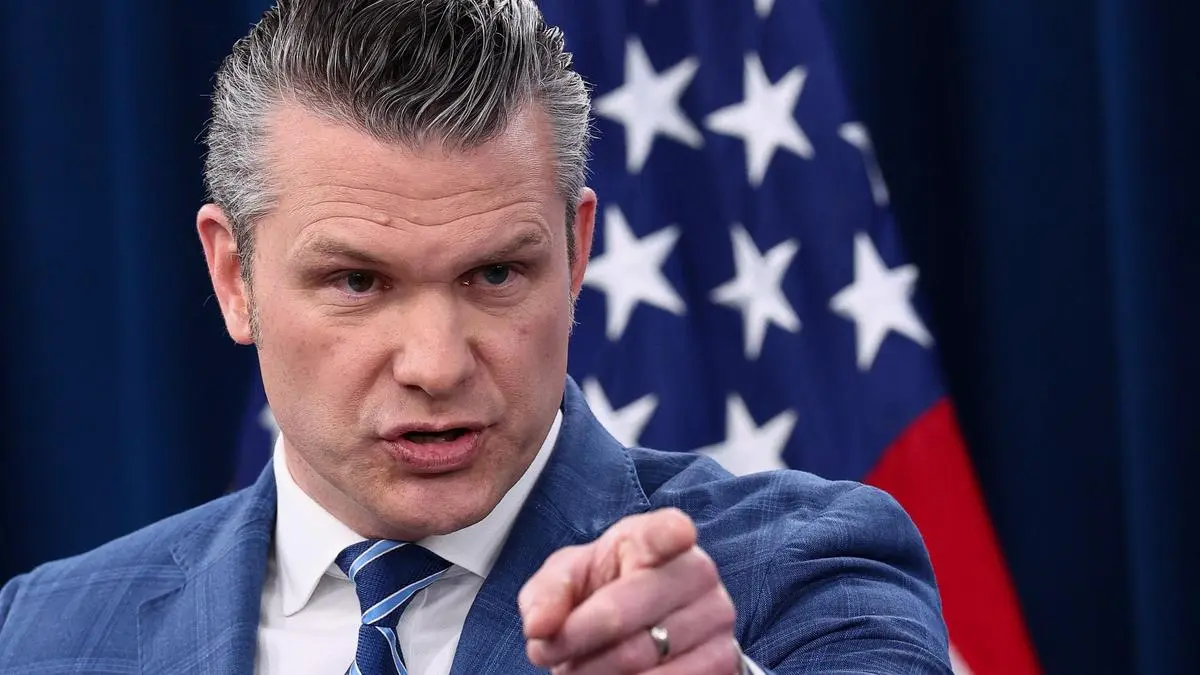
The landscape of Middle Eastern geopolitics underwent a sharp pivot this week as the United States signaled a significant military victory over Iranian assets, prompting an abrupt change in posture from Tehran. According to Pete Hegseth, the administration has successfully exerted enough pressure on the Iranian regime to force a diplomatic retreat, with Hegseth claiming that Tehran has effectively “begged” for a ceasefire.

This development marks a potential turning point in what has been a period of heightened volatility for global markets. Following the intensification of hostilities, the administration has opted to pause further kinetic military strikes, creating a window for diplomatic engagement. This tactical decision to hold fire follows a series of successful operations that appear to have degraded Iranian capabilities, providing Washington with significant leverage as both sides pivot toward the negotiating table.

The Strategic Calculus of the Pause

For market participants, the pause in hostilities is a critical data point. The decision to halt strikes is not merely a humanitarian gesture but a calculated maneuver aimed at stabilizing regional security architectures. By forcing Tehran to the negotiating table from a position of relative weakness, the U.S. is aiming to secure long-term concessions that could potentially reduce the risk of future proxy conflicts in the region.

Hegseth’s assertion that Iran explicitly requested an end to the current round of fighting underscores the severity of the operational damage inflicted by U.S. forces. In the context of international relations, such public declarations serve to reinforce the administration's 'peace through strength' doctrine, signaling to global adversaries that the cost of direct confrontation with U.S. interests has risen significantly.

Market Implications and Risk Sentiment

The sudden de-escalation is likely to be viewed by traders as a relief rally catalyst. Geopolitical tension, particularly in the Middle East, acts as a 'risk premium' on assets like crude oil and gold. When the threat of supply chain disruption—specifically through the Strait of Hormuz—recedes, we often see a compression in oil price volatility and a corresponding rotation out of safe-haven assets.

Investors should remain cautious, however. While a ceasefire is a positive headline, the underlying structural tensions between Washington and Tehran remain unresolved. Historically, such pauses in conflict are often fragile. Financial markets tend to price in the 'best-case scenario' quickly, but the reality of diplomatic negotiations is rarely linear. Traders should be monitoring the narrative surrounding these upcoming talks closely: any breakdown in communication could lead to a swift reversal of any gains made in risk-sensitive sectors.

Looking Ahead: What Traders Should Watch

As the focus shifts from military action to diplomatic discourse, the primary variable for traders will be the specific terms of any potential agreement. Does the ceasefire contain provisions for the cessation of proxy support? Are there verifiable mechanisms to ensure compliance?

Furthermore, market participants should keep a close eye on the reaction from regional energy producers. If the ceasefire holds, we may see a stabilization in energy prices, which would be a welcome development for global inflation metrics. Conversely, if the talks stall or if there are reports of renewed hostilities, the 'fear premium' will likely return to the energy and equity markets with increased intensity. For now, the market is in a 'wait-and-see' mode, balancing the promise of stability against the historical volatility inherent in U.S.-Iran relations.