BJP aims to oust incumbent leadership by prioritizing border security and infrastructure. Watch voter turnout as a key proxy for regional market stability.
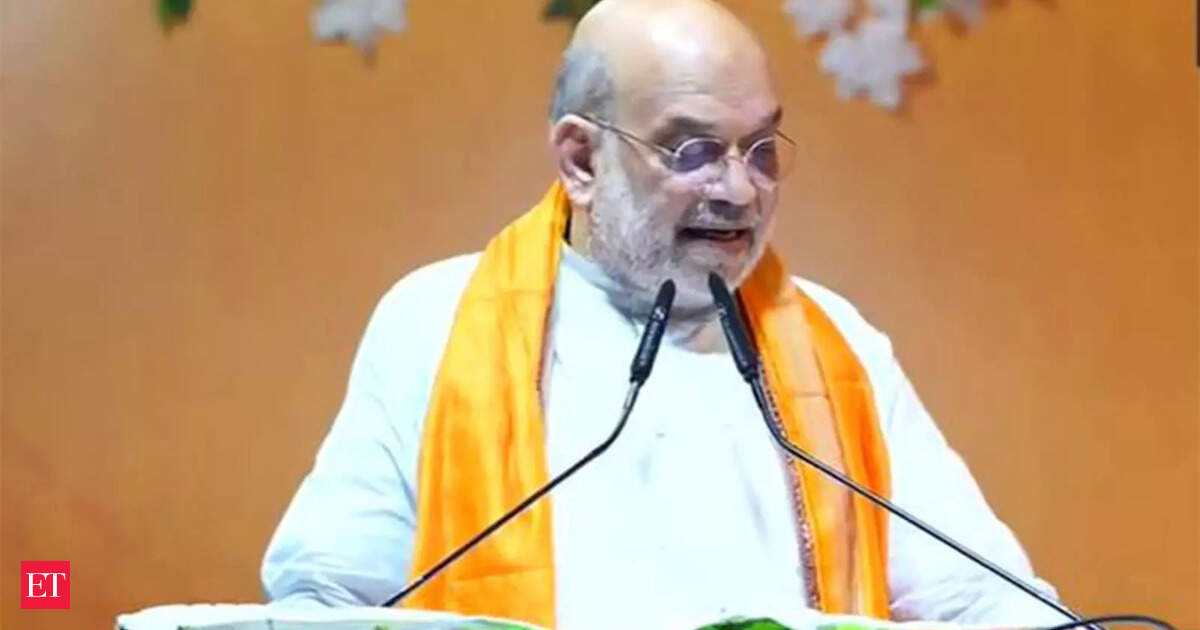
Union Home Minister Amit Shah has issued a pointed challenge to the incumbent administration in West Bengal, asserting that the electorate is prepared to counter recurring political violence with decisive action at the ballot box. During a recent campaign address, Shah framed the upcoming assembly elections as a critical juncture for the state, predicting the formation of a BJP-led double-engine government that would align state policies with federal initiatives.
Central to the Home Minister's platform is a firm commitment to border security and administrative reform. Shah explicitly stated that the primary objective of the electoral process is the removal of infiltrators. By emphasizing this policy, the BJP aims to distinguish its governance model from the current leadership, suggesting that a change in power is necessary for both regional stability and national security.
Those following market analysis may recognize how political shifts in key states often influence regional capital expenditure and industrial policy. The promise of a double-engine government suggests a potential acceleration in infrastructure projects, which could alter the investment landscape for local businesses.
To ensure the integrity of the voting process, the Home Minister confirmed the deployment of adequate central forces across the state. This move is designed to mitigate the risks of intimidation and ensure a fair democratic exercise. Shah issued a direct warning to TMC affiliates, suggesting that any attempt to disrupt the proceedings would result in legal consequences, including potential imprisonment.
"West Bengal will reply to bombs with votes, and the state will move toward a double-engine government that prioritizes security and development over the current climate of unrest."
For investors and market participants, the transition of political power in a significant state like West Bengal carries substantial weight. Shifts in state-level leadership often impact regulatory environments and the ease of doing business. While the political discourse remains heated, the primary indicator to watch is the voter turnout rate, which will serve as a proxy for the public's appetite for change. Analysts will also be monitoring the efficacy of the central forces in maintaining order, as any significant disruption could lead to volatility in regional sentiment.
As the election date approaches, traders should observe whether the promises of a double-engine government translate into concrete policy proposals. Much like investors who track the gold profile for signs of safe-haven sentiment during periods of political instability, regional stakeholders are looking for clarity on future administrative priorities. The ability of the BJP to deliver on its promises will depend heavily on the final seat count and the stability of the subsequent coalition or majority government.
Prepared with AlphaScala editorial tooling from the source reporting linked above. Indexable analysis may include a cited Alpha Score value. Publishing checks screen each story before release. Educational coverage, not personalized advice.