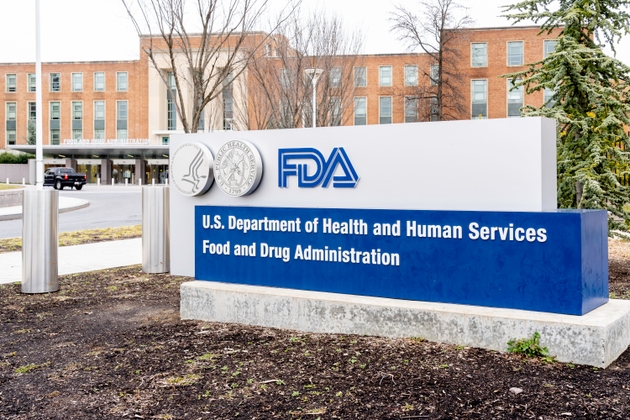
The regulatory landscape for pharmaceutical development is shifting as Amgen and AstraZeneca initiate real-time clinical trial data reporting under a new FDA pilot program. This move marks a departure from traditional, batch-based submission processes, aiming to integrate artificial intelligence into the oversight of drug efficacy and safety monitoring. By shifting toward continuous data streams, the companies seek to compress the timeline between trial observation and regulatory feedback.
Accelerating the Clinical Development Lifecycle
The integration of real-time reporting addresses the primary bottleneck in drug development, which is the lag between patient data collection and the subsequent analysis required for regulatory approval. For firms like Amgen and AstraZeneca, the ability to feed trial data directly into FDA systems via AI-driven platforms could reduce the administrative burden of end-of-phase reporting. This transition suggests a broader industry pivot toward digitized clinical trials where automated monitoring replaces manual verification.
If successful, this pilot could establish a new standard for how large-cap biopharmaceutical companies manage their pipeline assets. The shift requires significant infrastructure investment to ensure data integrity and security, but the potential for faster time-to-market provides a clear incentive for early adoption. The efficiency gains from this pilot will likely be measured by the reduction in cycle times for clinical trial milestones.
Sectoral Read-Through and Regulatory Precedent
The involvement of major players like AMGN and AZN indicates that the FDA is prioritizing high-volume, high-complexity trials for this pilot. This suggests that the agency is looking to stress-test its AI capabilities against the most rigorous data sets available. For the broader healthcare sector, this development signals that regulatory compliance is increasingly becoming a data-engineering challenge rather than a purely clinical one.
AlphaScala data currently reflects a neutral sentiment for these entities, with AMGN holding an Alpha Score of 50/100 and AZN holding an Alpha Score of 54/100. Both companies remain in the mixed category, reflecting the inherent volatility of long-term clinical development cycles. Investors should monitor how these firms manage the transition costs associated with real-time reporting systems.
The Next Marker for Regulatory Integration
The success of this pilot will be determined by the FDA's ability to provide actionable feedback based on the incoming data streams. The next concrete marker will be the release of preliminary findings from the pilot, which should clarify whether the agency intends to mandate real-time reporting for all future Phase III trials. Until then, the market will look for updates on trial duration metrics and any adjustments to projected development timelines for the specific assets involved in the pilot. This shift represents a fundamental change in stock market analysis for the pharmaceutical sector, as the value of a drug pipeline may soon be tied more closely to the efficiency of its digital reporting infrastructure than to the size of the trial cohort alone.