Aluminum premium slips as U.S. set to cut tariffs on Canada metal
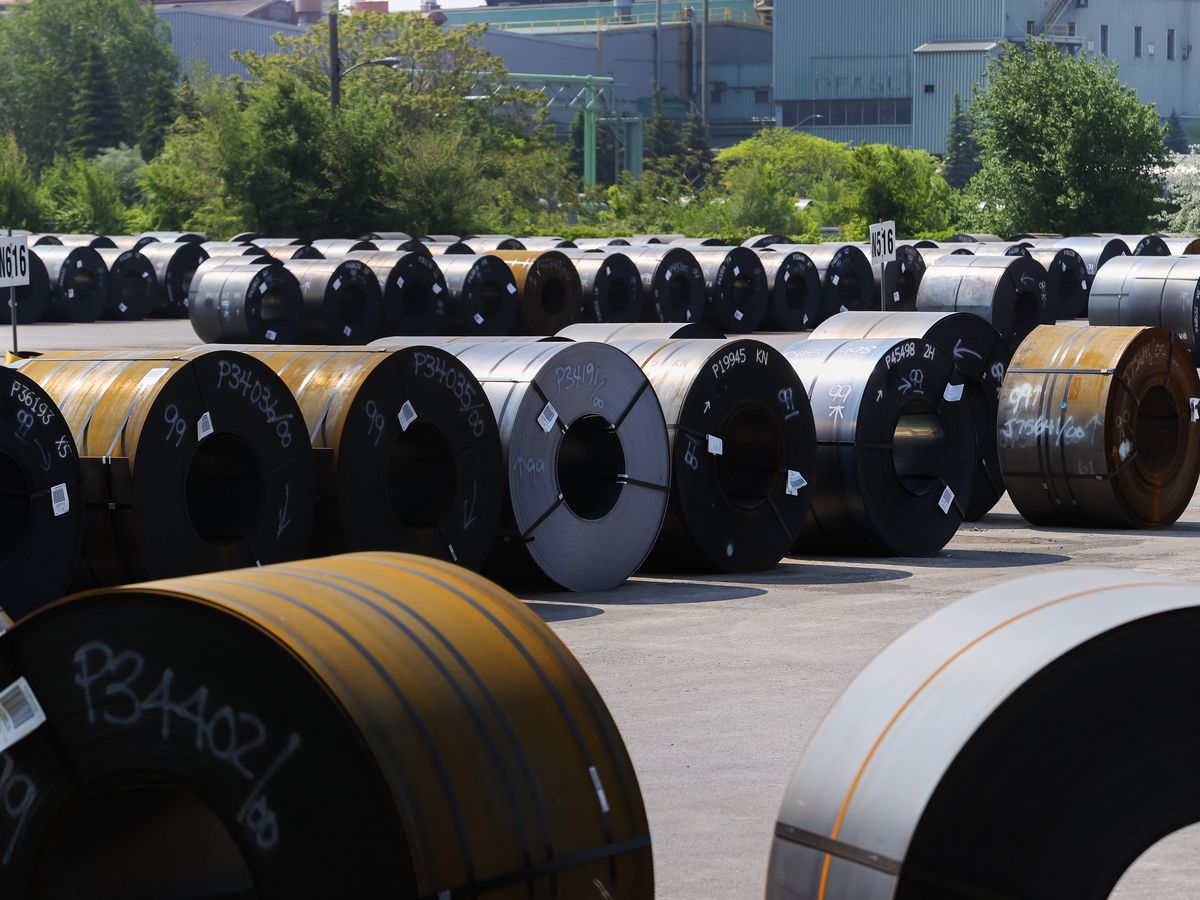
The U.S. regional benchmark fell 8% as the White House moved to lower tariffs on Canadian aluminum. Analysts say flows may not fully return.
Alpha Score of 59 reflects moderate overall profile with moderate value, moderate quality, strong sentiment. Based on 3 of 4 signals – score is capped at 90 until remaining data ingests.
A key regional price benchmark for aluminum delivered to the U.S. market tumbled after the Trump administration indicated it would lower tariffs on certain Canadian exports.
The September U.S. Midwest premium slumped 8.2% to 95 cents a pound on Thursday, according to pricing data from Platts. The October and November contracts dropped more than 12% after the tariff announcement, the data showed. The Midwest premium is the amount added to global benchmarks to deliver aluminum to that region.
Canada accounts for more than half of U.S. aluminum imports, according to USGS data. Tariffs on some Canadian products could drop to 25% from 50% if the two countries reach a trade deal.
The Midwest premium, a proxy for the cost U.S. manufacturers pay for products such as appliances and beverage cans, has climbed to successive record highs since President Donald Trump’s punitive 50% tariff took effect in June last year. Another supply shock stemming from the Iran War helped boost the regional aluminum premium by nearly 100%.
Morgan Stanley analysts led by Amy Gower said in a Thursday note that Canada has redirected more metal to Europe since U.S. tariffs were introduced. The potential cut of tariffs on Canadian aluminum to 25% would encourage more flows to the U.S. instead of Europe. Still, Canada could not meet all U.S. demand. The U.S. would therefore need additional imports subject to the 50% tariff, limiting the potential decline in the Midwest premium, the analysts said.
Morgan Stanley’s Alpha Score from AlphaScala sits at 56 out of 100, a Moderate rating, reflecting the uncertainty around the tariff negotiations and their impact on the metal’s supply chain.
Details of the tentative deal between the U.S. and Canada have yet to be finalized and are not expected to apply across the board. For aluminum and steel, different rates could apply to some derivative products that include those metals, Bloomberg reported, citing people familiar with the matter who requested anonymity to discuss the tentative terms.
Drafted by a large language model from the source reporting linked above, then screened by automated publishing checks. It is not read by a journalist before publication. Some articles cite our Alpha Score. Verify prices and figures against the original source. Educational coverage, not personalized advice.