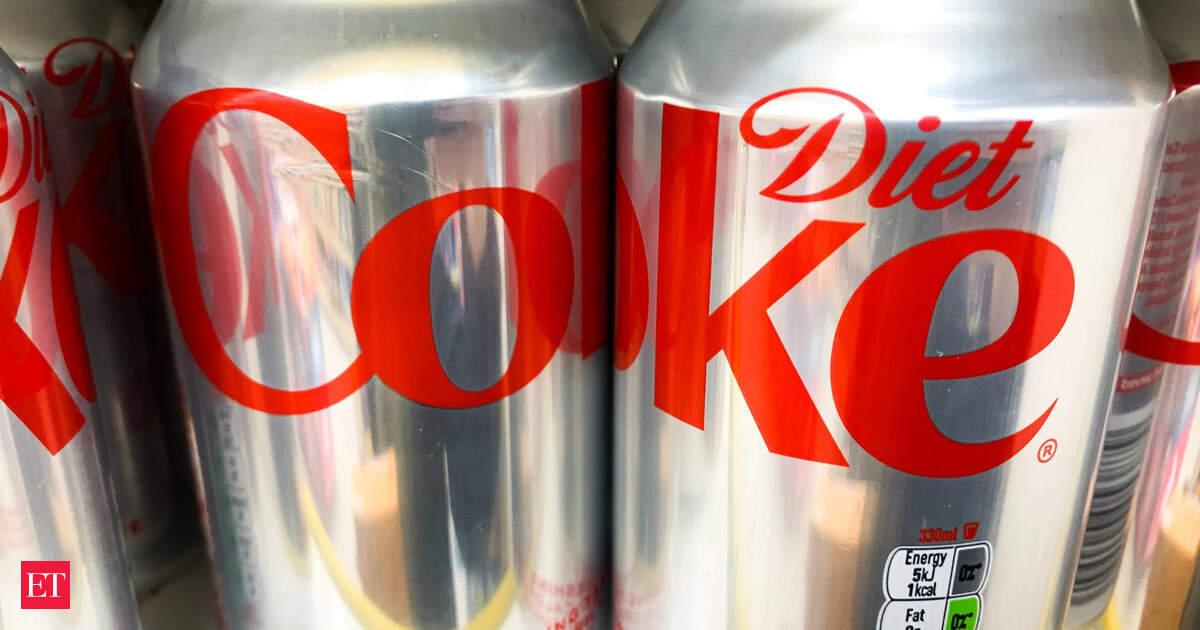
A tightening supply of aluminium beverage cans is creating significant retail stock-outs across major Indian cities, forcing a contraction in the availability of popular products like Diet Coke. The disruption stems from a global scarcity of aluminium, which has been intensified by geopolitical instability in the Middle East. As regional tensions disrupt established trade routes and manufacturing inputs, the cost of importing finished cans has risen, placing pressure on beverage distributors and retail margins.
Geopolitical Constraints on Aluminium Supply
The current supply chain friction is rooted in the broader volatility of the aluminium market, where geopolitical conflicts often disrupt the flow of raw materials and semi-finished goods. When regional instability impacts production hubs or transit corridors, the immediate effect is a reduction in the availability of packaging materials essential for the beverage industry. Because aluminium is a globally traded commodity, local shortages in India are a direct consequence of these international supply chain bottlenecks. The inability to secure sufficient packaging prevents manufacturers from meeting the high volume requirements of the domestic market.
Seasonal Demand and Operational Pressure
This supply contraction coincides with the peak summer season in India, a period characterized by a sharp increase in consumer demand for cold beverages. The mismatch between elevated seasonal consumption and restricted packaging inventory has led to acute stock-outs at the retail level. Beverage companies are now forced to navigate higher import costs while attempting to maintain distribution networks. The inability to fulfill orders for high-turnover items like Diet Coke highlights the vulnerability of consumer-facing industries to upstream commodity shortages.
- Rising import costs for aluminium packaging.
- Retail-level stock-outs of carbonated soft drinks and beer.
- Heightened supply chain sensitivity during peak seasonal demand.
For investors monitoring the broader consumer sector, these logistical hurdles serve as a reminder of how commodity-linked input costs can dictate operational success. While companies like Coca-Cola Consolidated, Inc. (COKE stock page) operate within different regional frameworks, the broader industry remains susceptible to similar packaging constraints. AlphaScala data currently tracks Amer Sports, Inc. (AS stock page) with a mixed Alpha Score of 47/100 and ServiceNow Inc. (NOW stock page) with a score of 54/100, reflecting the diverse challenges facing consumer and technology sectors alike. For further insight into how these dynamics influence broader market trends, see our latest commodities analysis.
The next critical marker for this situation will be the upcoming quarterly inventory reports from major beverage distributors. These filings will clarify the extent to which higher import costs have impacted margins and whether manufacturers have secured alternative supply sources to mitigate the ongoing packaging deficit.