Commodities● Neutral
Alligator Energy Hits 55% Uranium Recovery at Samphire Project
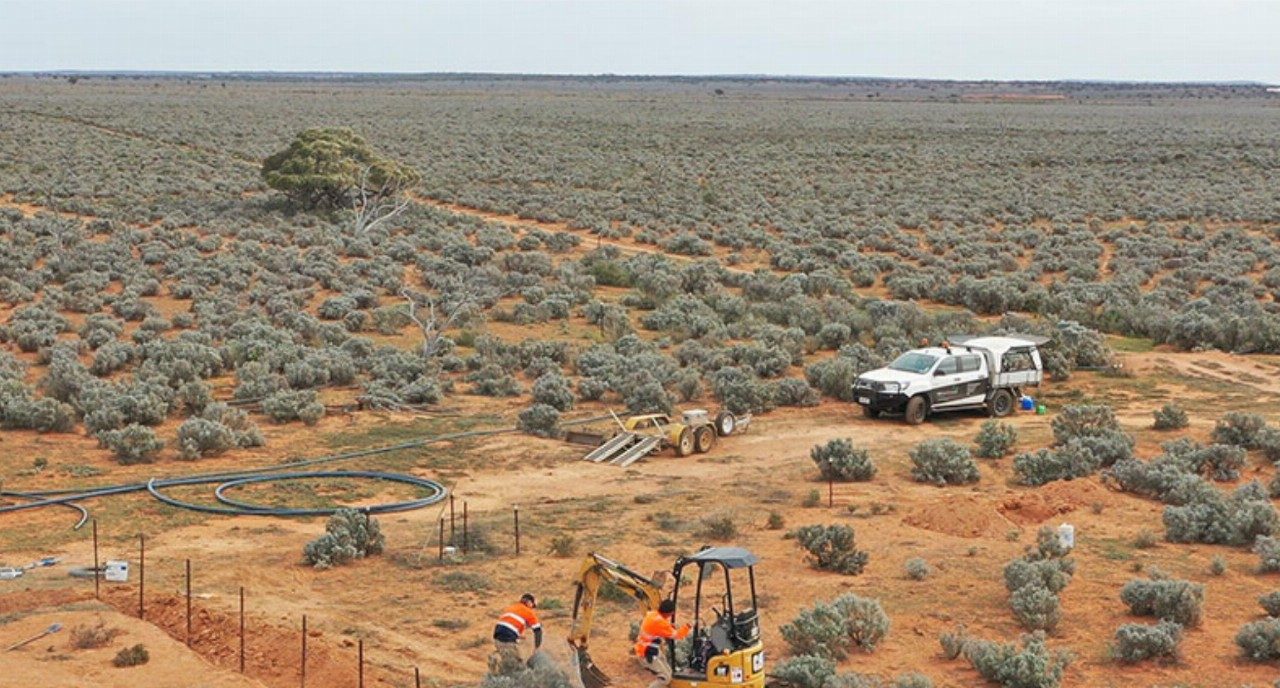
This milestone validates the project's in-situ recovery model, de-risking the path to commercial production as the company eyes future feasibility studies.
Continue with
Breakthrough in In-Situ Recovery Efficiency
Alligator Energy (ASX: AGE) has reached a critical operational milestone at its Samphire Uranium Project in South Australia, reporting a successful 55% recovery rate during recent field development trials. This performance metric serves as a pivotal validation of the company’s underlying geological and metallurgical assumptions, confirming the viability of the project's in-situ recovery (ISR) methodology.
The 55% recovery figure is more than just an operational data point; it aligns precisely with the recovery factors previously modeled in the company’s scoping study. For investors and stakeholders, this convergence of theoretical modeling and field reality significantly de-risks the project's development pipeline, providing a firmer foundation for future feasibility studies.
The Technical Significance of the Samphire Trial
The Samphire project, located approximately 20 kilometers south of Whyalla, has emerged as a high-priority asset for Alligator Energy. The recent trials utilized a Field Recovery Trial (FRT) system, designed to test the permeability and extraction efficiency of the uranium-bearing paleochannel sediments. By achieving a 55% recovery rate, the company has effectively demonstrated that the site’s mineralized zones are sufficiently porous and chemically responsive to the proposed lixiviant processes.
"The recovery results are a direct validation of the assumptions we integrated into our preliminary scoping studies," noted the executive team, emphasizing that the consistency between projected outcomes and actual field performance is a hallmark of a robust project. This confirmation is vital for the transition from exploration to potential commercial-scale production, as it narrows the margin of error for future cash-flow projections and capital expenditure requirements.