Stocks● Neutral
ALDI Hungary Drops Print Newsstands, Threatens Distribution Network
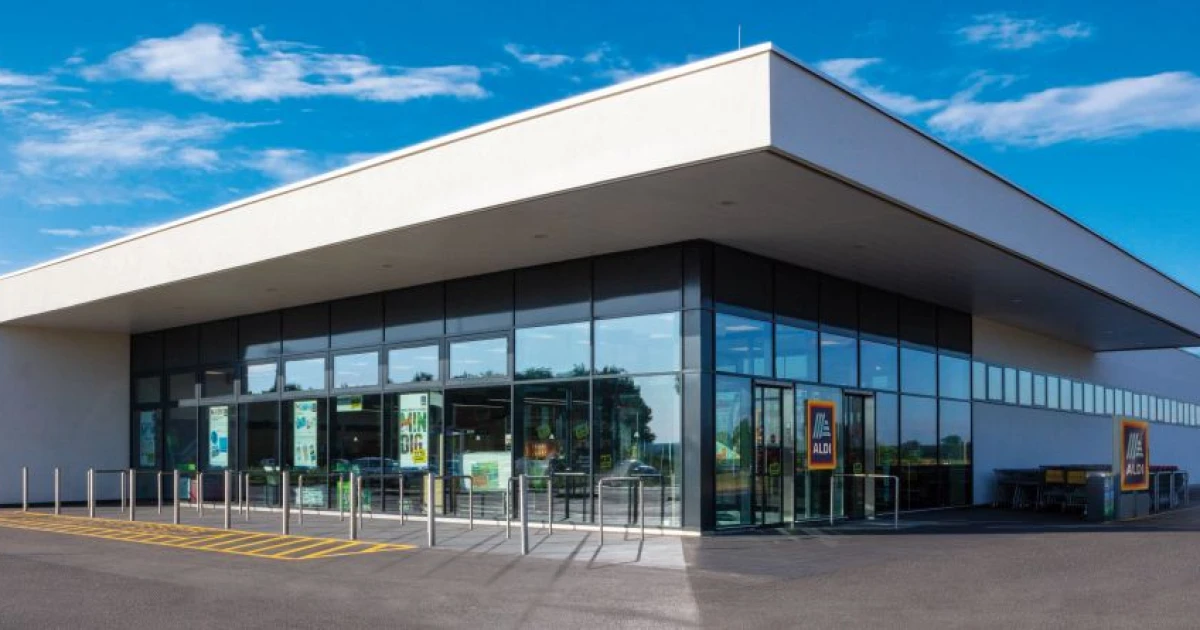
ALDI Hungary's removal of newspaper sales from all stores signals a shift in discount retail floor-space priorities. Print publishers now face accelerated channel loss in smaller towns.
Continue with
ALDI Hungary Ends In-Store Newsstand Sales: The Operational Logic
ALDI Hungary is removing newspapers and magazines from every store. The company confirmed the phase-out to a customer inquiry, as reported by Hungarian media outlet Media1. Remodeled locations have already lost the newsstand shelves alongside store layout changes.
The stated reasoning is operational efficiency and assortment optimization. A more precise explanation is floor-space economics. Printed press carries thin margins and declining turnover as digital substitution accelerates. For a hard-discount operator, that combination is a liability. Every square meter that does not drive margin or foot traffic becomes a candidate for elimination. ALDI Hungary sees no path to acceptable returns from the category.
Why This Decision Magnifies Print Media's Distribution Problem
The move has outsized consequences for Hungary's printed press industry. In many urban districts and smaller towns, grocery chains represent the last accessible retail channel for newspapers and magazines. ALDI Hungary operates roughly 180 stores nationwide. Removing newsstands from that network cuts a significant share of physical point-of-sale locations.
This magnifies the structural decline print media already faces. Fewer outlets mean lower impulse purchases and reduced visibility for titles that rely on shelf presence. The decision creates a cascading effect: publishers lose a predictable revenue channel, wholesalers consolidate, and remaining retailers may reassess their own newsstand contracts.