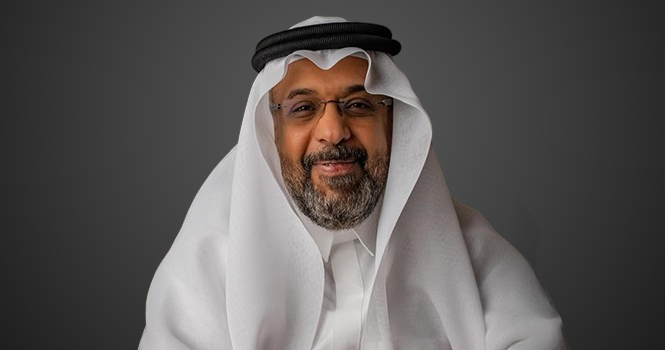
Al Jouf Cement Co. aims to make its export business a steady revenue line, not just a periodic release valve, Chairman Eisa Ba-Eisa said after the company signed a contract to sell into Syria.
The Syria deal is one of several initiatives from the first phase of the firm's transformation program, Ba-Eisa told the Saudi news agency. That program targets operational cost cuts and better supply-chain efficiency before pushing into new markets.
Al Jouf Cement has historically relied on domestic demand in northern Saudi Arabia, where government infrastructure spending has driven volumes. The new Syria contract breaks that geographic constraint. Syria's reconstruction needs – damaged roads, housing, power plants – create a multi-year demand base that Saudi cement producers can serve via the land border crossing at Arar.
A key question is logistics. Land routes between Saudi Arabia and Syria pass through Jordan and the Al-Tanf border area, a zone with active military checkpoints and shifting control. Ba-Eisa did not address transit risk in the statement. If the route stays open, the cost advantage over cement shipped by sea from Turkey or Iran makes the economics work.
The board has not disclosed the Syria contract's volume or duration. A typical first cross-border deal in the region runs 12–18 months at 100,000 to 200,000 tonnes, according to traders who follow the Gulf cement trade. That would represent roughly 5–10% of Al Jouf's annual capacity of about 2 million tonnes.
What changes next depends on whether Al Jouf can repeat the Syria model in Iraq or Yemen. Ba-Eisa's language – the contract is part of a "transformation program" – suggests the company sees export diversification as structural, not opportunistic. The second phase is expected to target a second border market within 12 months, though no timeline was given.
The stock trades on the Saudi Exchange under ticker 3091. Al Jouf Cement reported net income of 87.3 million riyals ($23.3 million) for 2024.