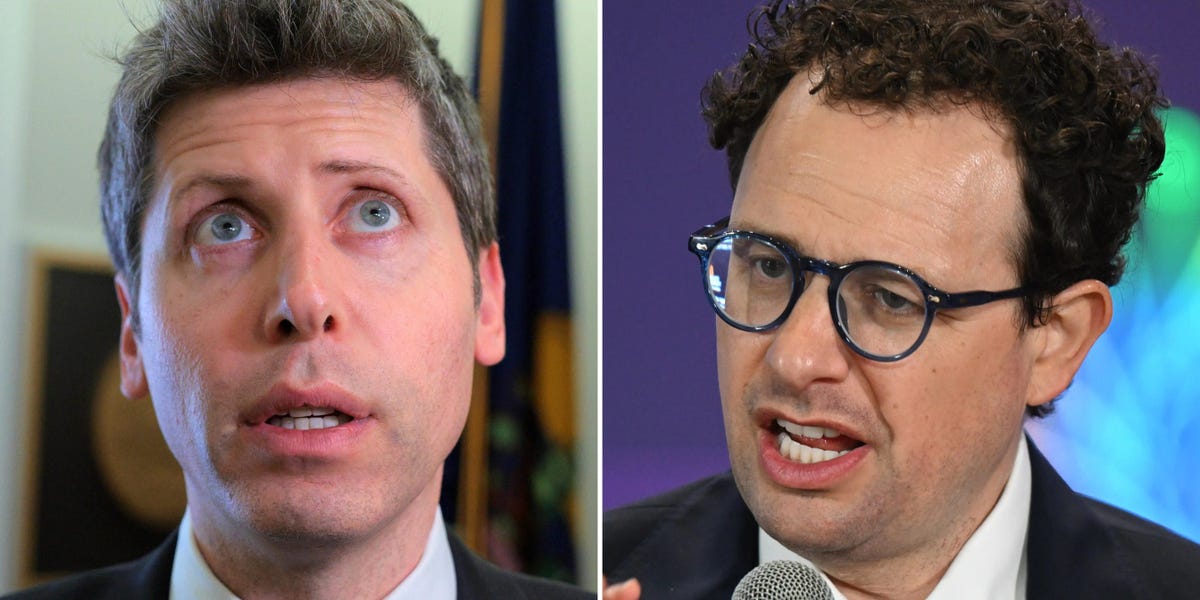
OpenAI and Anthropic each released papers over the past two months warning that frontier AI models are being deployed faster than government regulation can keep up. OpenAI's March paper argued the gap between model capability and regulatory oversight is widening. Anthropic followed this month with its own analysis, stressing that the current cycle of releasing ever-larger models without binding pre-deployment review creates what it called a regulatory vacuum. Neither lab proposed a specific timeline for slowing releases.
The warnings arrive as both companies accelerate commercial deployment. OpenAI has expanded ChatGPT Enterprise. Anthropic recently broadened access to its Claude models through Amazon Bedrock and Google Cloud. Revenue at both labs is climbing, according to filings and press reports. Microsoft, a key investor in OpenAI, benefits directly from this expansion. Amazon and Google compete for cloud partnerships tied to the same models.
Critics inside the policy community said the labs are calling for regulation. They want a framework written after they have already captured market share. They do not want a pause, a former Senate AI policy aide said. The White House executive order on AI safety, signed in late 2023, mandates pre-release review for frontier models. It applies only to developers training models above a compute threshold both labs now routinely exceed. The threshold has not been updated.
The core tension is straightforward. The labs' business models depend on releasing the largest possible models as fast as possible. That is how they attract enterprise contracts and cloud-computing partnerships. Their public-facing safety advocacy does not appear to slow internal roadmaps. Between them, OpenAI and Anthropic have released six new frontier models since the executive order took effect.
Congress has not passed a comprehensive AI bill. The executive branch relies on voluntary commitments from labs that already have financial incentives to avoid binding rules. Until lawmakers link pre-deployment review to something labs want – liability caps, export licenses, or procurement eligibility – the gap between warning and speed is a feature, not a bug.
Anthropic has not responded to a request for comment. OpenAI declined to comment beyond its published paper. The next concrete date on the regulator's calendar is the administration's January 2025 report on frontier model risks. That report depends entirely on voluntary disclosures from the labs themselves.