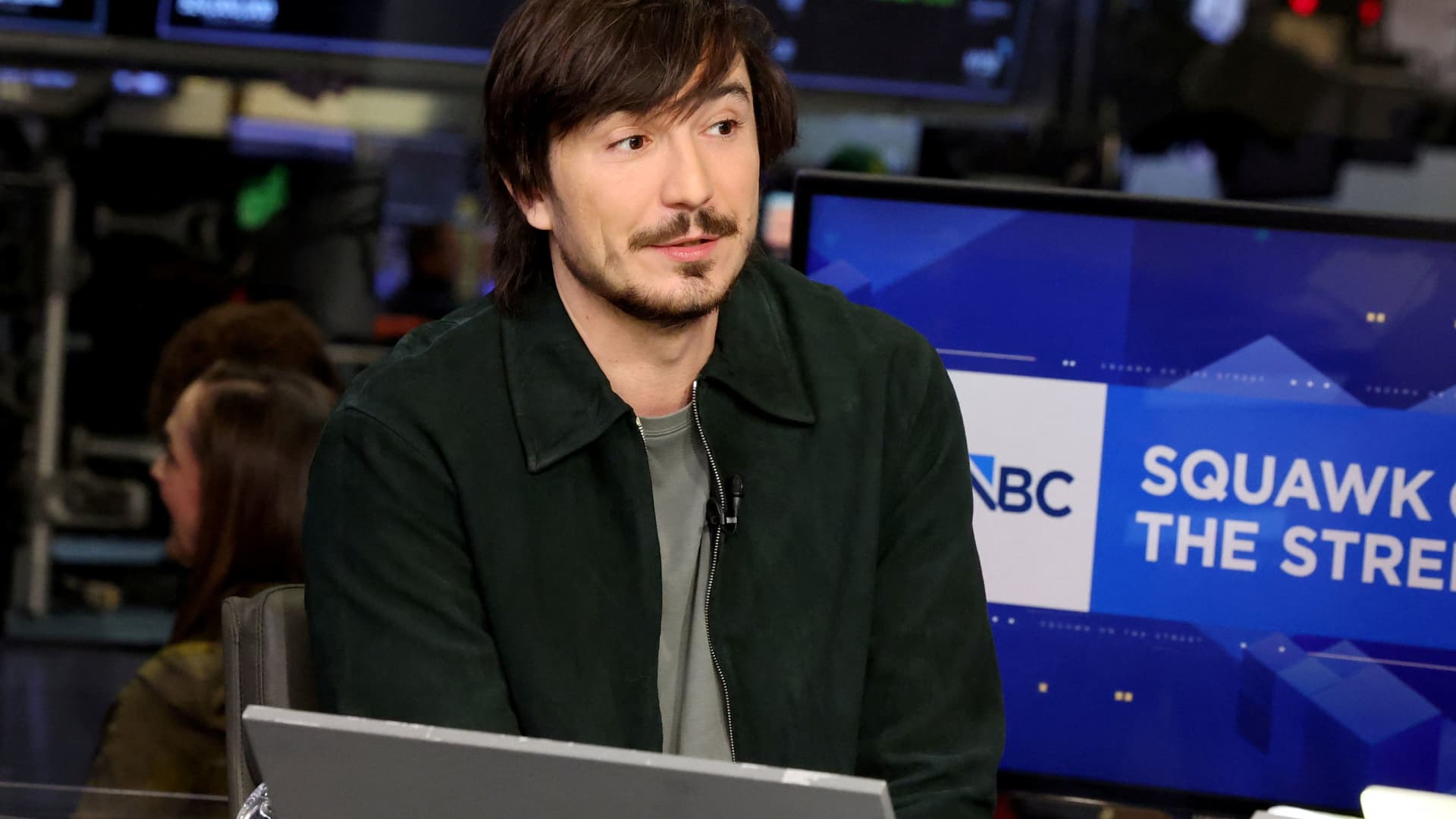
Robinhood CEO Vlad Tenev expects AI agents to soon reach the same trading ability as a human. He told CNBC on Thursday that "every capability a human can do will be available to an AI agent." Robinhood already ships agentic trading tools. It launched them in May, letting AI place stock trades and make purchases for users.
The bigger picture is about access. Tenev said most institutional trades are already automated. AI-powered execution has been standard inside high-frequency shops for years. What Robinhood is building, he argued, hands that same power to the everyday person. The pitch sounds familiar: democratizing Wall Street's toolset, this time around autonomy.
Skepticism is warranted. Robinhood's own numbers show the gap between the vision and the business. First-quarter profit missed expectations in April as crypto volatility suppressed trading activity. The stock is down about 5% in 2026. Earlier this month the company cut 10% of its workforce, with Tenev telling employees they cannot default to a "heavily-layered organization." That language signals a company trying to preserve margin, not one riding a wave of AI-driven revenue.
The agentic bet sits inside a broader push. Robinhood opened crypto trading in the UK on Wednesday. Shares popped 8% that day and added another 2% in premarket Thursday, lifting market cap near $98 billion. Tenev also announced a Trump Accounts partnership in April, with Robinhood acting as broker and trustee alongside the U.S. Treasury and BNY Mellon. He called it "the best consumer product that the government's ever been associated with."
Exposure for traders is indirect but real. If agentic tools boost retail engagement, Robinhood benefits from higher order flow and subscription revenue. If they misfire – a bad trade executed by an AI with no human review – the regulatory and reputational blowback could be severe. The SEC has already scrutinized Robinhood's gamification of trading. Agentic automation is a new vector.
The timeline accelerates from May's launch. More features are likely, and the UK crypto rollout begins immediately. What would confirm the thesis: rising daily active users, higher revenue per client, and repeat usage of agentic tools. What would weaken it: a high-profile failure, regulator restrictions on unsupervised trading, or anemic adoption.
Robinhood serves roughly 28 million customers across 38 countries. Tenev's prediction is aspirational. The infrastructure to support it is still being built, and the workforce cuts suggest the company is taking costs seriously before scaling autonomy.
"The goal is to make this the best consumer product that the government's ever been associated with," Tenev said of the Trump Accounts partnership. That line – ambitious, brand-forward – is the same energy behind the agentic trading push. Execution will meet reality this year.