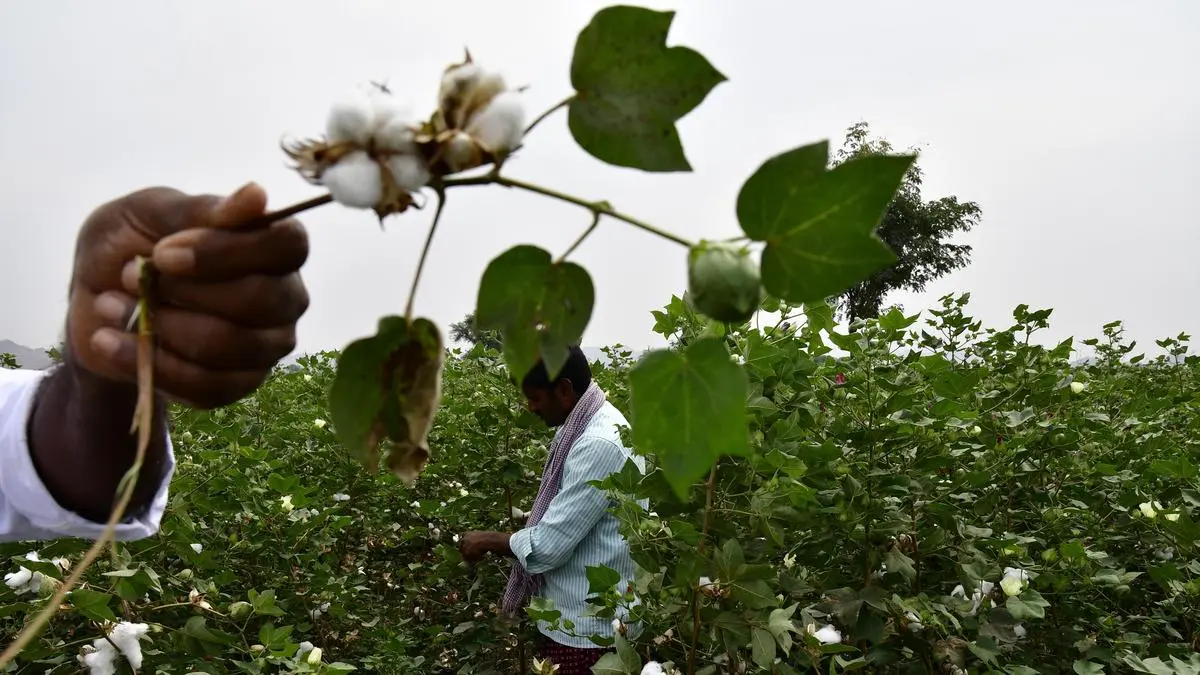
The Union Agriculture Ministry has confirmed that the maximum retail price (MRP) for Bt cottonseed, specifically for the Bolgard I and Bolgard II varieties, will remain unchanged for the 2026-27 kharif season. By maintaining the pricing structure established in the 2025-26 cycle, the ministry has signaled a period of regulatory stability for the agricultural inputs sector. This decision effectively removes pricing volatility as a variable for seed manufacturers and farmers during the upcoming planting cycle.
Impact on Seed Input Economics
The decision to freeze prices at current levels provides a predictable cost baseline for farmers preparing for the kharif season. For seed manufacturers, the lack of an upward adjustment in the MRP limits the ability to pass through potential increases in production or logistics costs to the end consumer. This regulatory stance forces companies to manage margins through operational efficiency rather than price elasticity. The consistency in pricing across both Bolgard I and II varieties suggests a policy preference for maintaining stable input costs for staple cash crops.
Sectoral Read-Through and Margin Pressures
While the agricultural sector often faces fluctuations in input costs, the fixed-price nature of Bt cottonseed creates a distinct environment for companies operating in this space. When input costs rise due to supply chain or raw material pressures, the inability to adjust the MRP can compress margins for seed producers. This policy framework necessitates a focus on volume and distribution efficiency to maintain profitability. Investors monitoring the consumer cyclical sector, particularly those tracking firms like AS stock page, often look for such regulatory signals to gauge the health of the broader agricultural supply chain.
AlphaScala data currently assigns Amer Sports (AS) an Alpha Score of 47/100, reflecting a mixed outlook within the consumer cyclical sector. While the Bt cottonseed decision is specific to the agricultural inputs market, it serves as a reminder of how regulatory oversight can influence the cost structures of companies tied to cyclical consumer and industrial demand. For firms like HAS stock page, which also operate within consumer-facing segments, understanding these regulatory constraints is essential for assessing long-term earnings potential.
The Path Toward Planting Season
With the pricing floor now established, the next critical marker for the market will be the actual acreage data and seed uptake rates as the kharif season approaches. The ministry's commitment to current price levels will be tested against market demand and the availability of alternative crop options for farmers. Any significant shift in planting patterns or unexpected supply shortages could force a re-evaluation of the current regulatory approach in future cycles. Market participants should monitor upcoming agricultural output reports to determine if the price stability has successfully incentivized consistent planting levels or if farmers have pivoted to other crops due to margin concerns at the retail level.