Back to Markets
Stocks● Neutral

Administrative Friction and the Integrity of Voter Rolls in West Bengal

Administrative Friction and the Integrity of Voter Rolls in West Bengal
ASHASTON

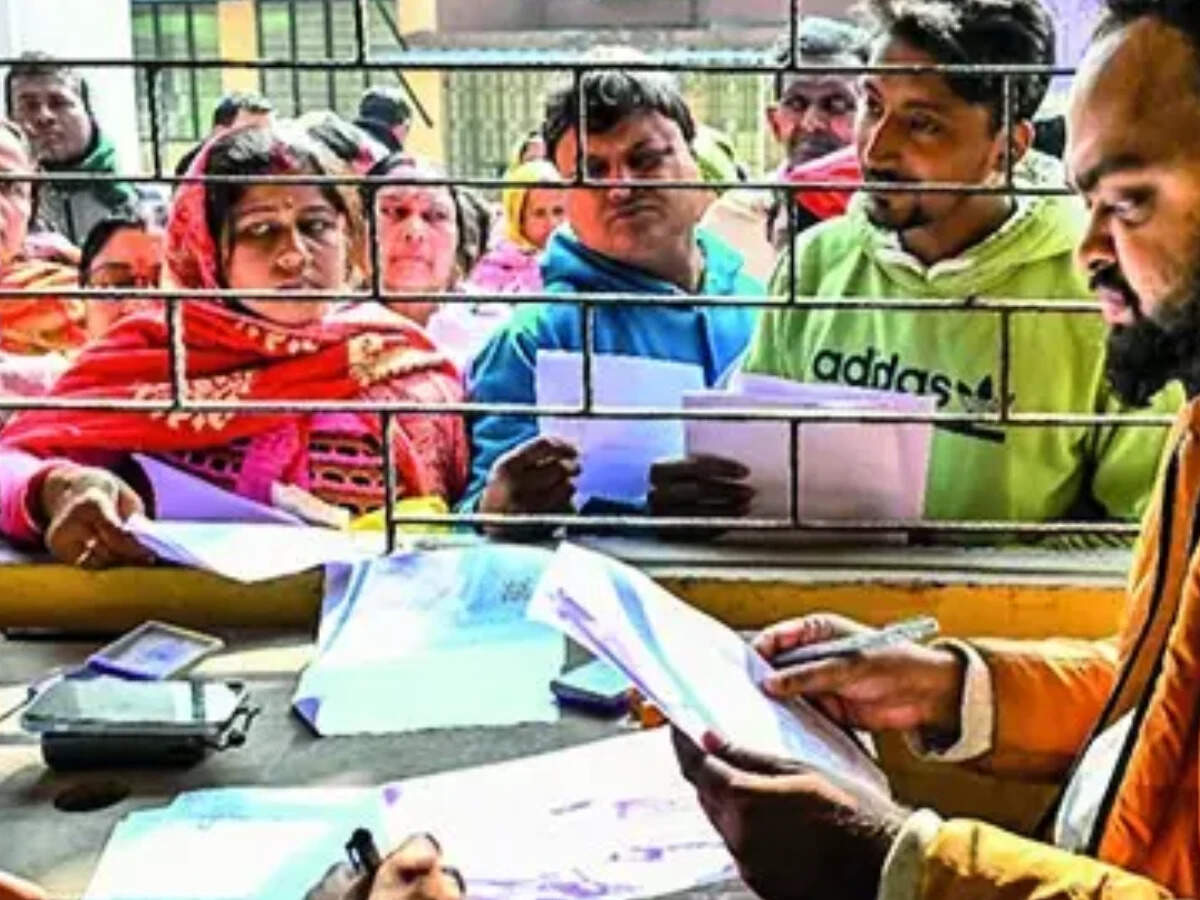
Widespread reports of missing names from West Bengal's voter rolls have sparked political tension, highlighting the risks of administrative failure in large-scale data management.

AlphaScala Research Snapshot
Live stock context for companies directly referenced in this story
Consumer Cyclical
Alpha Score
47
Weak

Alpha Score of 47 reflects weak overall profile with moderate momentum, poor value, moderate quality. Based on 3 of 4 signals — score is capped at 90 until remaining data ingests.

Consumer Cyclical

HASBRO, INC. currently screens as unscored on AlphaScala's scoring model.

Communication Services
Alpha Score
57
Moderate

Alpha Score of 57 reflects moderate overall profile with weak momentum, strong value, moderate quality, weak sentiment.

Alpha Score
45
Weak

Alpha Score of 45 reflects weak overall profile with strong momentum, poor value, poor quality, weak sentiment.

This panel uses AlphaScala-native stock data, separate from the source wire linked above.

The integrity of voter rolls in West Bengal has emerged as a central point of contention ahead of the upcoming Kolkata elections. Widespread reports of missing names from official registers have triggered accusations of systemic disenfranchisement, with local political factions alleging deliberate manipulation. While the discourse remains heated, the underlying cause appears rooted in administrative inefficiencies rather than a coordinated effort to suppress specific demographics.

Administrative Hurdles and Electoral Accuracy

The removal of names from voter lists is not an isolated incident confined to West Bengal. It represents a recurring challenge across the broader Indian electoral landscape, where the sheer scale of the population complicates the maintenance of accurate databases. Administrative errors during the verification process often lead to the unintended purging of eligible voters, creating significant friction in the lead-up to polling days. These discrepancies force election officials to balance the need for a clean, updated list against the risk of excluding legitimate participants.

For the average voter, the sudden absence of their name from the registry acts as a direct barrier to participation. The frustration is compounded by the cultural significance of the electoral process in the region, where political engagement is deeply woven into the social fabric. When administrative processes fail to keep pace with population shifts, the resulting gaps in the voter rolls become a focal point for political instability and public distrust.

Sectoral Read-through and Institutional Trust

Beyond the immediate political implications, the instability in voter registration processes highlights the fragility of large-scale data management in public institutions. Similar challenges in data integrity are often observed in other sectors, such as stock market analysis, where accurate record-keeping is essential for maintaining market confidence. When administrative systems fail to provide reliable data, the resulting uncertainty can ripple through various levels of governance and public perception.

AlphaScala data currently tracks various market entities, including T stock page with an Alpha Score of 57/100 and ON stock page with a score of 45/100. While these metrics reflect corporate performance rather than electoral administration, they underscore the importance of data transparency and accuracy in maintaining institutional credibility. The ability of an organization or government body to manage its internal records directly correlates with its perceived reliability.

The next concrete marker for this situation will be the official response from the Election Commission regarding the rectification of these rolls before the Kolkata vote. Observers should look for specific updates on the window provided for voters to challenge their status and the deployment of additional verification staff to address the backlog of complaints. The resolution of these discrepancies will serve as a test case for the efficacy of current administrative protocols in managing high-stakes public data.

How this story was producedLast reviewed Apr 25, 2026

AI-drafted from named sources and checked against AlphaScala publishing rules before release. Direct quotes must match source text, low-information tables are removed, and thinner or higher-risk stories can be held for manual review.

Editorial Policy·Report a correction·Risk Disclaimer