Stocks● Neutral
40% June rain deficit: India's July monsoon forecast at 94% – what it means
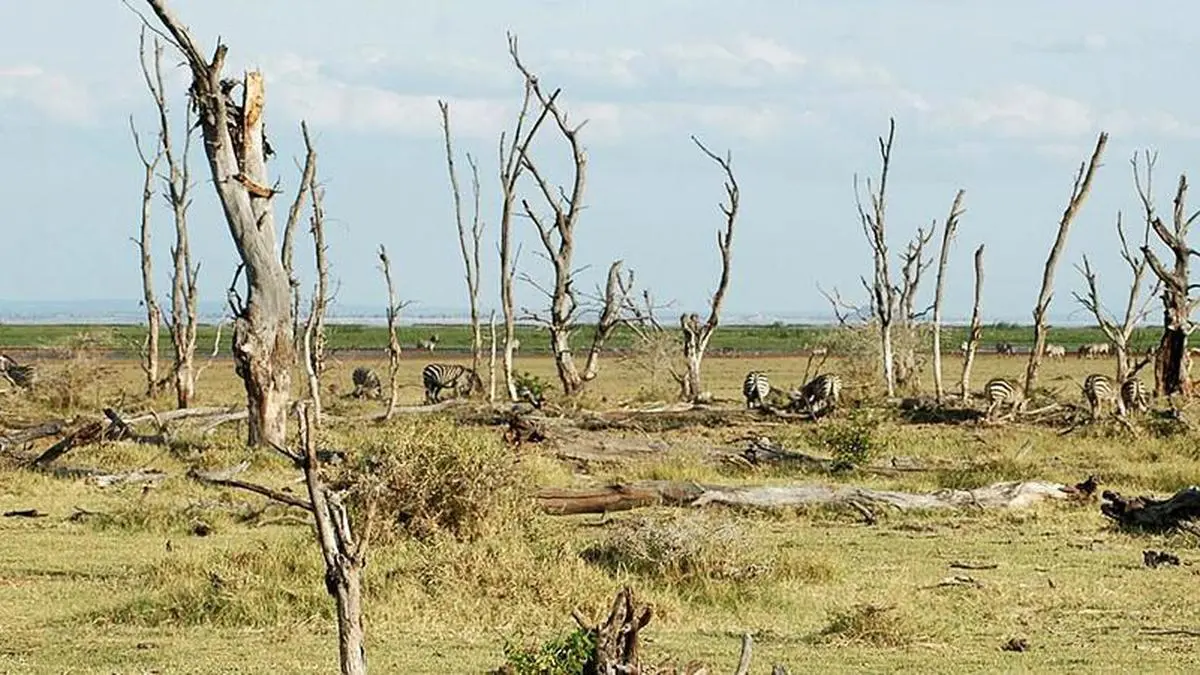
India's June rainfall was 40% below normal, the 5th lowest since 1901. July monsoon forecast at 94% of LPA threatens kharif sowing and water availability. Farmers may need to switch crops.
Continue with
The India Meteorological Department said Tuesday that July monsoon rainfall will be “below normal” – 94% of the long-period average of 280.4 mm. That outlook follows a June that ended with a 40% deficit. Rainfall in June was 99.5 mm against a normal of 165.3 mm, the fifth-lowest June figure since 1901.
Mrutyunjay Mohapatra, the IMD director-general, said only 181 of 741 districts received normal or excess precipitation. The remaining 560 districts recorded deficient rainfall, some up to 99% below normal. The east and northeast subdivision saw 40% below normal rain, the lowest since 1901 for that region. The central subdivision, largely rainfed, got 50% below average, the seventh-lowest since 1901. India's food bowl, the north-west, received 31% less than average.
The deficit matters for kharif plantings. By June 25, acreage had dropped 23% from a year ago, Mohapatra said. J S Sandhu, a former agriculture commissioner, said the next 15 days are critical for most kharif crops. “There is definitely a worry while looking at water availability in our reservoirs and scorching heat,” he said.