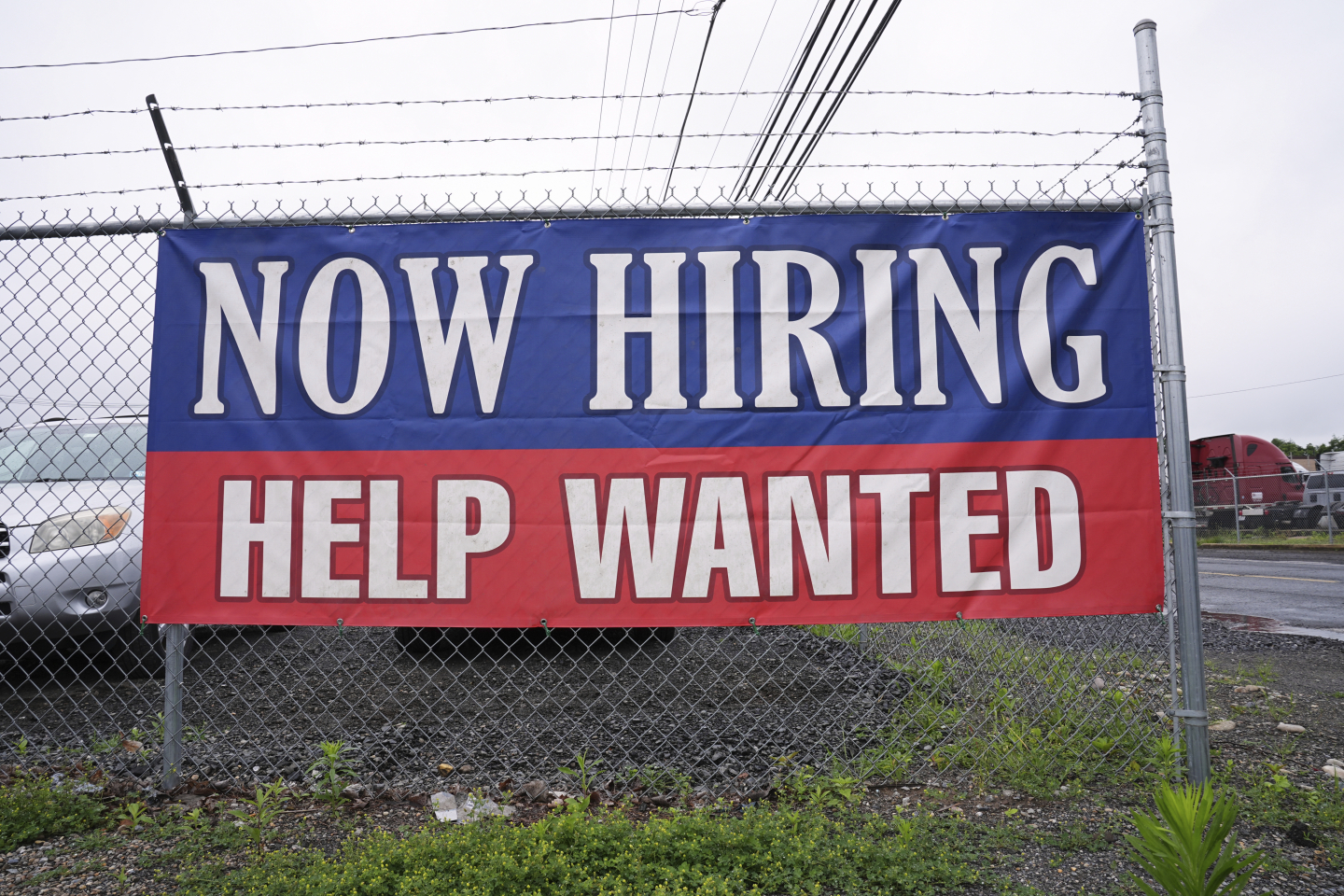
Labor force participation sits at 61.8%, 1.5 points below pre-pandemic levels. Older Americans retired early and younger workers are delaying entry. The output gap runs $500B to $800B a year.
Four million Americans are no longer in the labor force. The share of the population working or looking for work sits at 61.8%, down from 63.3% before the pandemic. The 1.5 percentage-point drop represents a sustained decline that has received less attention than inflation, tariffs, or government spending.
The obvious question is where they went. The answer is not uniform.
Workers ages 25 to 54 have returned to the workforce. BLS data show participation for that group has fully recovered and now exceeds pre-pandemic levels. The decline is concentrated at the edges of the labor force.
Americans 55 and older have dropped out in large numbers. The pandemic accelerated retirement decisions for some. Health concerns pushed others. Higher home values and investment gains let many adjust their work choices. Still others left during the pandemic and never returned.
Research from the Federal Reserve Bank of Atlanta finds elevated retirements remain a persistent feature of the post-pandemic labor market.
The Baby Boom generation continues to retire. Even if participation rates within every age group had held steady, an older population would still pull the overall rate lower. Research from Brookings shows population aging explains a substantial share of the decline since 2019.
More young Americans are enrolled in college or pursuing credentials before entering the workforce. That delays entry into the labor pool and reduces early work experience. The effect is smaller than the retirement wave but it compounds the headline number.
A second feature matters. Labor force exits have become more persistent. Fewer workers are returning than in prior economic cycles. The average duration of non-participation has lengthened.
Economic growth depends on production. A country becomes wealthier when more people produce goods and services and when productivity rises. Consumption does not drive that process. Goods must be designed, made, transported, and sold before they can be consumed. A nation cannot sustainably consume more than it produces.
If the participation rate matched pre-pandemic levels, roughly 4 million additional Americans would be in the labor force. Most would be employed. At average output per worker, that represents between $500 billion and $800 billion in additional annual production. That is not a rounding error. It is the difference between an economy running at capacity and one leaving real productive potential on the table.
Job openings remain elevated. That is best understood not as a labor shortage but as ongoing price discovery between workers and employers. Prices coordinate millions of individual decisions about how to use time and effort. The government did not produce that coordination, and it cannot replicate it.
Americans have never struggled to find ways to spend money. The question is whether policy makes market work more attractive relative to the alternatives. Lower marginal tax rates, fewer barriers to hiring and investment, and a lighter regulatory hand can shift those margins. Not by correcting distortions. By letting prices work.
That is the only mechanism that has ever reliably made a country richer.
Prepared with AlphaScala research tooling and grounded in primary market data: live prices, fundamentals, SEC filings, hedge-fund holdings, and insider activity. Each story is checked against AlphaScala publishing rules before release. Educational coverage, not personalized advice.