Stocks● Neutral
280 Million Migrants: Regional Flows Dominate UN Data
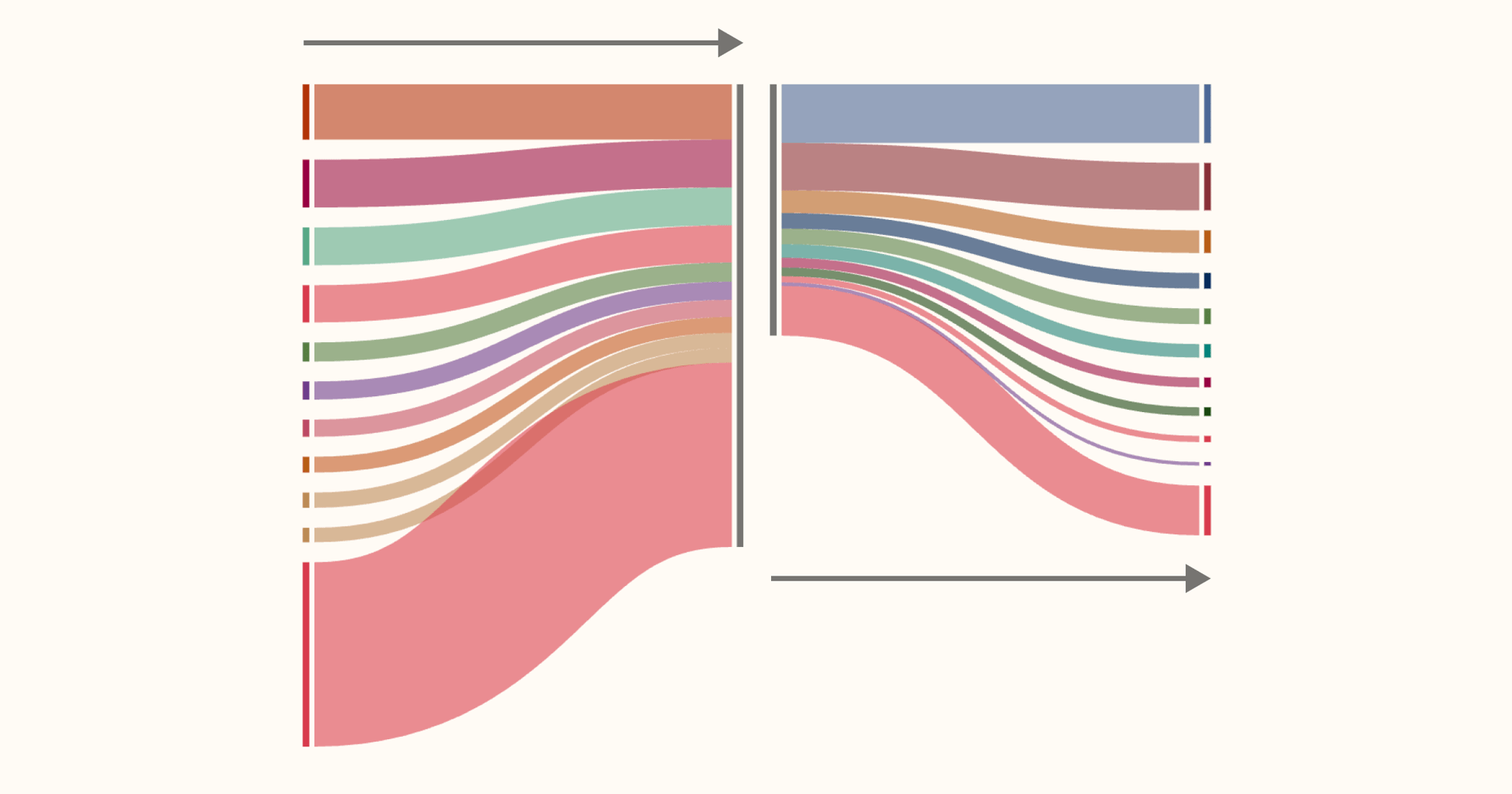
UN data shows 280 million people living outside their birthplace in 2024. Most move regionally, shaping remittance corridors. New interactive tool maps country-level inflows and outflows.
Continue with
Some 280 million people lived outside their country of birth in 2024. That's 3.5% of the global population, according to UN DESA figures compiled by Our World in Data.
The stock number – not annual flows – tracks where people were born and where they live now. Most cross a nearby border, not an ocean. Long-distance moves are rising slowly but remain the exception.
The data matters for anyone tracking remittance corridors, labor supply shifts, or demographic pressure points. Two-thirds of all international migrants stay within their home region. South-South flows are nearly as large as South-North flows.
Our World in Data released an interactive tool that drops down to country-level detail. Pick a country – the default is Malaysia – and the left panel shows every migrant living there and where they came from. The right panel shows every person born there who left and where they went.