Stocks● Neutral
22.8M Displaced in Americas: Reshaping Labor and Consumption
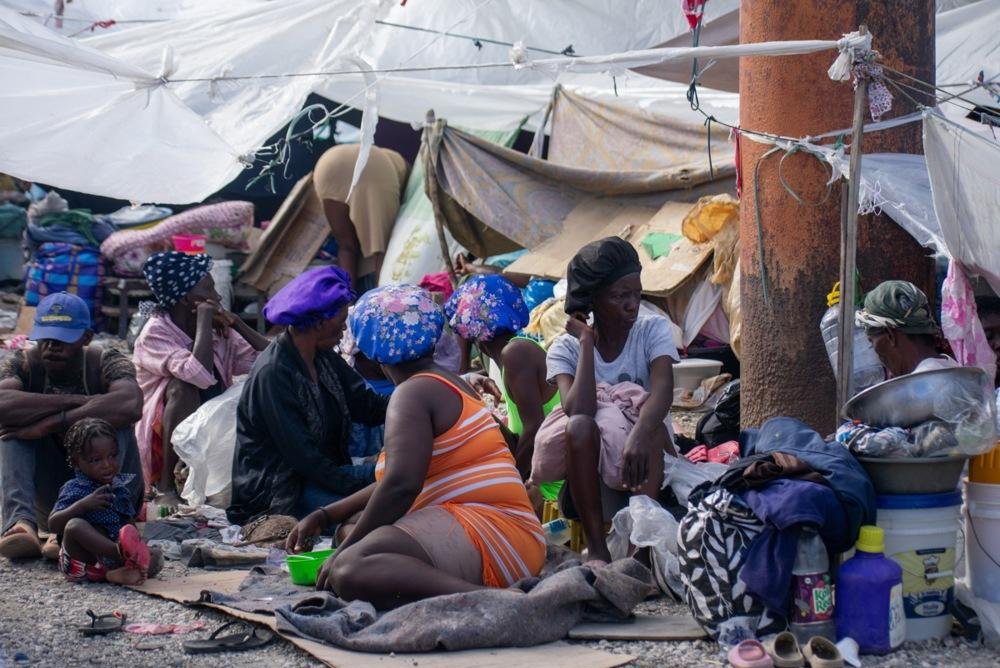
Colombia hosts 2.8M Venezuelans; Haiti's IDP count jumps 38% to 1.4M. The displacement wave alters labor supply across five economies. Watch regularization renewal rates.
Continue with
The Americas became the world's leading region for forced displacement in 2025, the United Nations refugee agency reported Friday. A total of 22.8 million people were refugees, asylum-seekers, internally displaced or in need of international protection, up from 21.9 million a year earlier. Crises in Venezuela, Haiti, Nicaragua, Colombia and northern Central America drove the increase.
Colombia emerged as the top host country globally, sheltering 2.8 million people, most of them Venezuelans. That puts it ahead of Germany, Turkey and Uganda. Colombia's regularization policies – which give migrants access to documentation and employment, as well as basic services – have helped integrate millions into host communities. The same country still faces one of the world's worst internal displacement crises: 7.2 million people remain internally displaced due to armed conflict and violence, according to the Victims Unit. The cumulative historical registry exceeds 8.9 million victims.
For investors, the scale of displacement reshapes labor supply and consumption patterns across the region. Colombia, Peru, Brazil, Chile and Ecuador together host the bulk of Venezuelans outside their country. Each of those economies gets a workforce influx that can depress wages in low-skill sectors while boosting demand for housing, food and basic goods. The regularization programs also mean more people enter the formal economy, which expands the tax base and consumer credit pool over time.
Haiti's deterioration is the most acute in the region. Internally displaced people reached 1.4 million by end-2025, a 38% jump. The International Organization for Migration now puts the number above 1.47 million, about 12% of Haiti's population. More than half are women and girls. Gang violence has spread beyond Port-au-Prince, with the Red Cross estimating that 85% of the capital is under gang control and more than 6 million Haitians need urgent aid. That level of instability effectively shuts down formal economic activity in large areas, removing those consumers and workers from the regional economy.