Ambitions for Universal Access
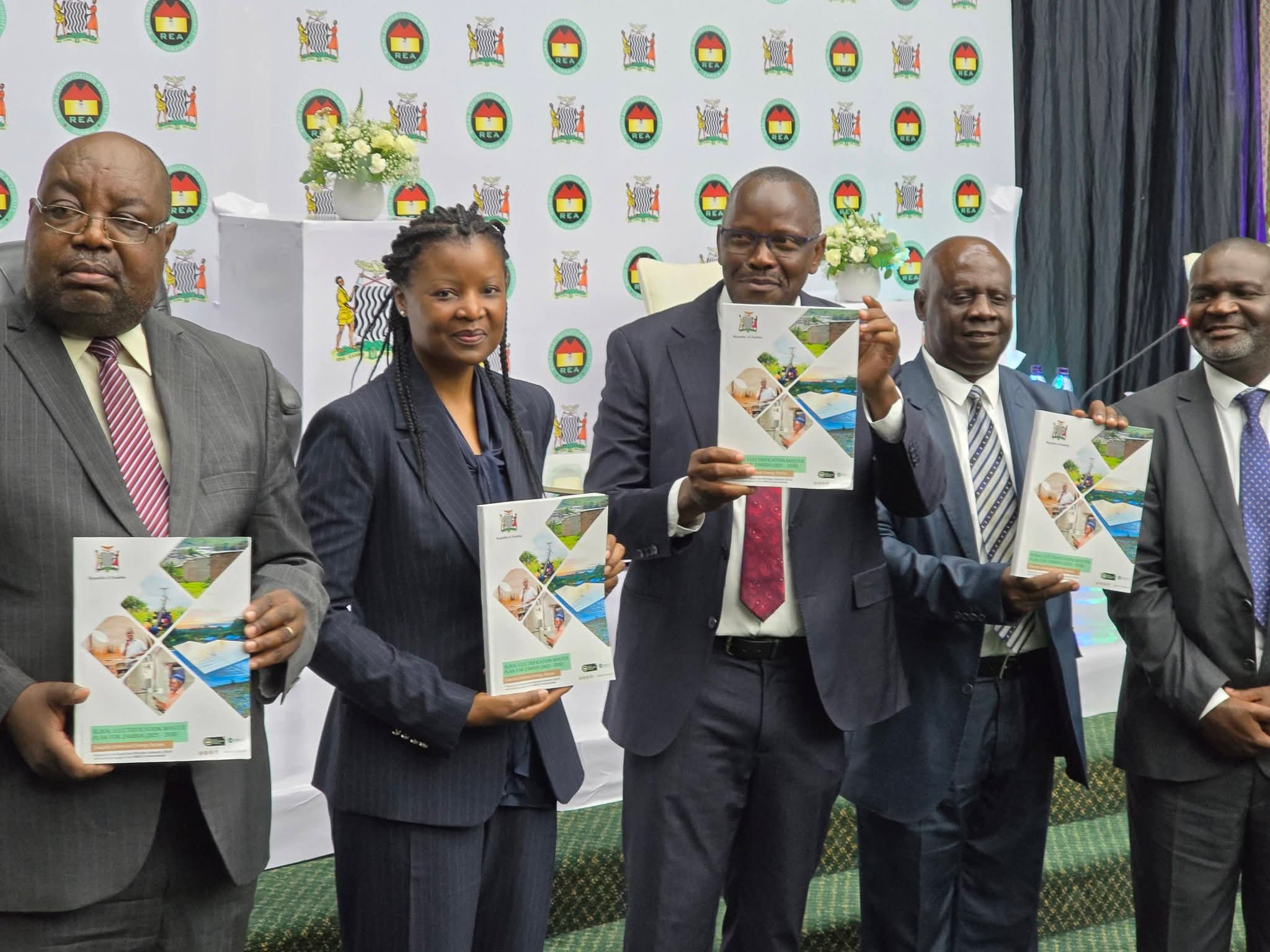
The Rural Electrification Authority (REA) of Zambia officially launched its updated Rural Electrification Master Plan (REMP) for the 2025 to 2030 period. The state-run agency aims to reach 2.5 million new power connections within the next five years. This initiative serves as a core component of the government's broader push toward achieving universal electricity access for the population.
Energy Minister Makozo Chikote emphasized the government’s commitment to the project during the launch event in Lusaka. Officials expect the plan to transform rural life by extending grid infrastructure and deploying off-grid solutions to remote areas that have historically lacked stable power.
Financial and Strategic Framework
The REA intends to shift its operational focus to reach previously underserved regions. While the plan sets a high bar for infrastructure deployment, it relies on a mix of public funding and potential private sector involvement to hit the 2.5 million target.
"The updated master plan provides a clear roadmap for electrification, ensuring that no region is left behind in our national development agenda," said Minister Chikote.
Core Targets of the 2025-2030 Plan
- Total Connections: 2.5 million planned households and businesses.
- Timeline: 2025 to 2030.
- Primary Objective: Decoupling rural growth from energy poverty through extended grid reach.
| Metric | Goal |
|---|
| Target Connections | 2.5 Million |
| Plan Duration | 5 Years |
| Focus Area | Rural Zambia |
Market and Economic Implications
For investors and firms involved in market analysis, the REA’s move suggests a sustained demand for electrical infrastructure, utility-grade equipment, and renewable energy technology. The scale of the build-out implies significant procurement opportunities for local and international contractors.
Traders and stakeholders should note that the success of this plan depends on the stability of the national grid and the ability of the authority to secure consistent funding. While the government remains the primary driver, the sheer volume of the target suggests that private partnerships will play a role in the coming years. This mirrors broader trends seen in energy infrastructure projects, such as those discussed in recent updates on India’s urea import tenders, where large-scale state planning dictates market flow.
What to Watch
Investors should track the upcoming budget allocations for the REA to determine how much of the 2.5 million connection goal will be front-loaded in the first two years. Any delays in funding or procurement could push the timeline further into the decade. Additionally, keep an eye on how the government balances grid expansion with off-grid solar initiatives, as this will influence which technology providers benefit most from the expansion.