Back to Markets
Macro● Neutral

Zambian Political Realignment: Deputy Speaker Moses Moyo Defects to UPND Ahead of August Polls

April 12, 2026 at 05:50 AMBy AlphaScalaSource: diggers.news
Zambian Political Realignment: Deputy Speaker Moses Moyo Defects to UPND Ahead of August Polls

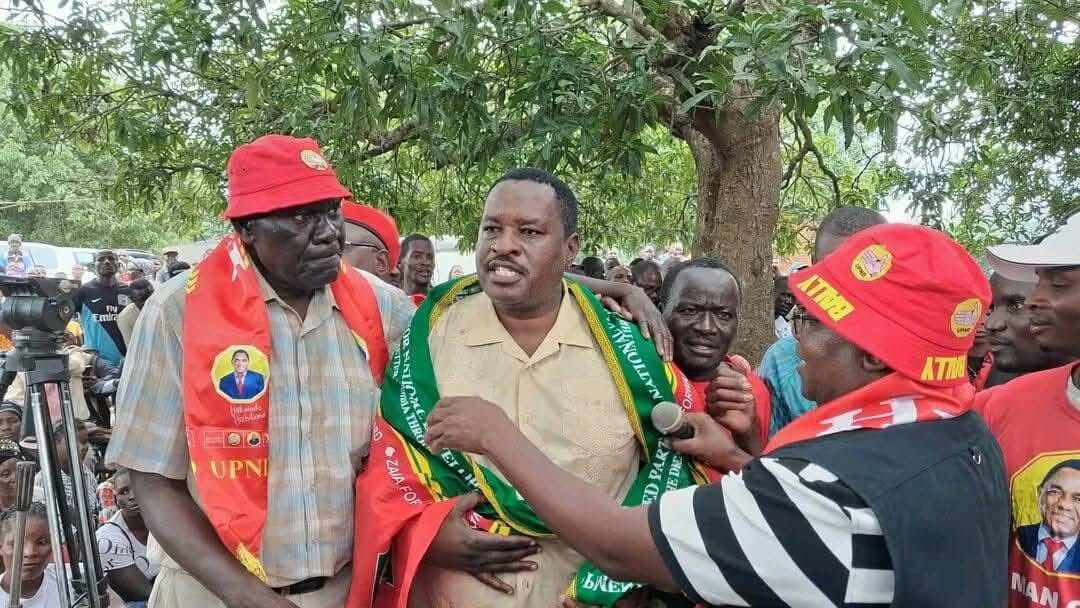
Second Deputy Speaker Moses Moyo has officially defected to the ruling UPND, signaling a consolidation of power ahead of the August 13 general elections in Zambia.

A Strategic Shift in Lusaka’s Political Landscape

The Zambian political theater faced a significant shake-up this week as Moses Moyo, the Second Deputy Speaker of the National Assembly, officially announced his defection to the ruling United Party for National Development (UPND). The move, which includes a formal endorsement of President Hakainde Hichilema, arrives as a critical development ahead of the upcoming general elections scheduled for August 13.

Moyo’s transition from his previous political affiliation to the UPND is being viewed by analysts as a calculated consolidation of support for the incumbent administration. As a high-ranking parliamentary official, Moyo’s public alignment with President Hichilema signals a potential shift in legislative momentum, particularly as the government seeks to solidify its base ahead of the ballot.

Contextualizing the Allegiance

For investors and observers of the Zambian market, political stability is a primary metric for assessing sovereign risk. The current administration has been pushing an ambitious reform agenda, aimed at restructuring the nation’s debt profile and attracting foreign direct investment into the mining and agricultural sectors. A unified legislative front, bolstered by key defections like that of Moyo, typically suggests a smoother path for executive policy implementation.

Historically, political transitions and high-profile endorsements in Zambia have served as bellwethers for market sentiment. The August 13 election is particularly sensitive, as it serves as a referendum on the Hichilema administration’s performance since the 2021 transition of power. By securing the support of influential figures like the Second Deputy Speaker, the UPND is signaling a desire to minimize legislative friction during the critical pre-election window.

Market Implications and Trader Sentiment

For the professional trading community, the implications of this political maneuver are two-fold. First, the stability of the parliamentary environment is essential for the passage of the national budget and fiscal policy adjustments. A strengthened UPND majority reduces the probability of legislative gridlock, which is a positive signal for bondholders and institutional investors concerned with fiscal discipline.

Second, the endorsement must be weighed against the broader macroeconomic climate. Zambia has been navigating a complex recovery, heavily reliant on the successful implementation of its IMF-backed economic program. Traders monitoring the Zambian Kwacha (ZMW) and sovereign debt instruments will be watching closely to see if this political consolidation translates into more aggressive reform implementation. Markets generally favor the certainty provided by a cohesive ruling party, especially when that party is committed to maintaining the current fiscal trajectory.

What to Watch Next

The period leading up to August 13 will be marked by increased volatility as campaigns intensify. Market participants should monitor three key areas in the coming weeks:

  1. Legislative Activity: Any shifts in parliamentary voting patterns regarding fiscal policy or mining sector legislation following Moyo’s defection.
  2. Public Opinion Polling: Further endorsements or defections that could shift the perceived balance of power ahead of the August 13 vote.
  3. External Credit Ratings: Potential commentary from rating agencies regarding the impact of political stability on Zambia’s debt sustainability outlook.

As the election date approaches, the focus will remain on whether this political realignment provides the necessary foundation for the UPND to sustain its economic agenda, or if the opposition will find new avenues to challenge the current administration’s narrative. For now, the move by Moses Moyo stands as the defining political headline in Lusaka, setting the stage for a high-stakes electoral season.