Zambian Political Landscape Shifts: Vice-President Nalumango Defends Governance Amidst Opposition Tensions

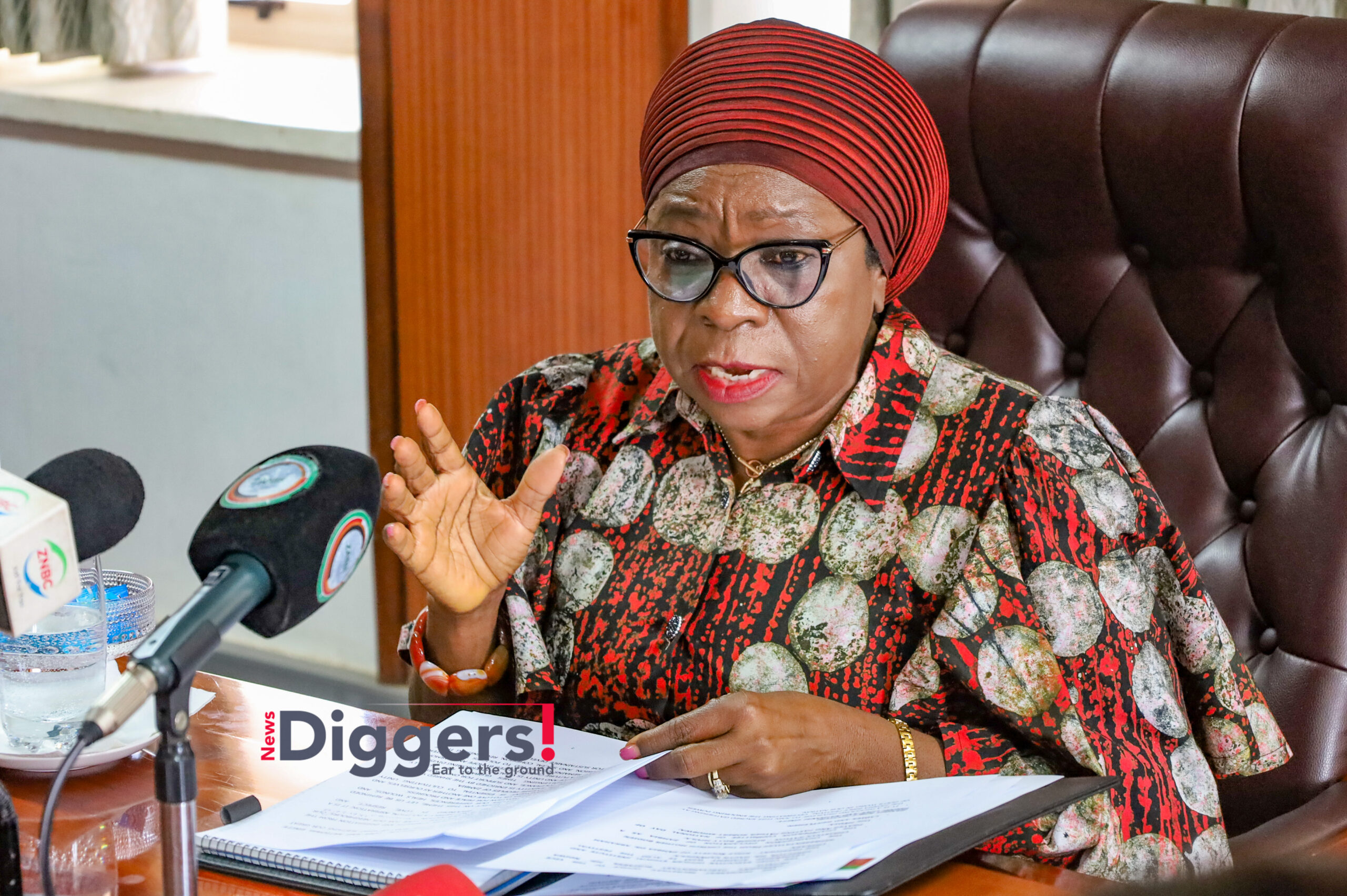
Vice-President Mutale Nalumango has issued a sharp rebuke to the former ruling Patriotic Front, asserting that the Zambian public has moved beyond the party's previous governance model.
A Rhetorical Stand Against the Past
In a pointed address that underscores the intensifying political friction within Zambia, Vice-President Mutale Nalumango has delivered a sharp rebuke to the Patriotic Front (PF), the nation’s former ruling party. Utilizing a stark biblical metaphor, Nalumango declared that "Zambians don’t go back to their vomit," a statement aimed at dismissing the possibility of a return to the governance style that characterized the previous administration.
This rhetoric comes at a time when the current government, led by President Hakainde Hichilema, is attempting to solidify its economic and social agenda. For observers of the Zambian political climate, the Vice-President’s comments reflect a broader strategy of distancing the United Party for National Development (UPND) from the legacy of the PF, framing the current administration’s tenure as a necessary departure from past fiscal and administrative challenges.
The Governance Narrative
Beyond the inflammatory nature of the remarks, Nalumango emphasized the perceived blessings of the current leadership. She characterized the Hichilema administration as a turning point for the nation, suggesting that the public is largely aligned with the government's pursuit of reform.
For the PF, which governed Zambia from 2011 to 2021, these comments are the latest in a series of challenges. The party has faced significant scrutiny over its historical management of the national debt and public resources. Nalumango’s insistence that the electorate has moved past the PF’s tenure serves as both a political defense and a signal of the current government's confidence in its mandate.
Market Implications and Political Stability
While the rhetoric is overtly political, the implications for the Zambian business environment are significant. Political stability is a cornerstone of investor confidence, particularly in a market that remains heavily reliant on copper production and foreign direct investment (FDI).
Traders and international stakeholders often monitor such exchanges to gauge the level of political polarization. When the ruling party and the primary opposition are locked in such stark, uncompromising discourse, it can signal potential volatility in legislative processes. Investors are watching to see if this heightened rhetoric will lead to a more obstructive parliamentary environment or if the UPND will maintain sufficient momentum to push through its economic structural adjustment programs without significant domestic resistance.
The Broader Macroeconomic Context
Zambia’s current economic path is defined by a delicate balancing act. The government is actively navigating debt restructuring negotiations and attempting to stabilize the kwacha against major global currencies. The stability of the regulatory environment is paramount for the mining sector, which provides the bulk of the country's export revenue.
By framing the opposition as a "past that should not be revisited," Nalumango is effectively attempting to insulate the current government’s economic reforms from criticisms that might otherwise gain traction. For market participants, the key question remains whether this political posturing will translate into actual policy efficacy.
What to Watch Next
As the political calendar progresses, investors should monitor the government's ability to maintain fiscal discipline while managing the vocal opposition from the PF. Any sign that the government is struggling to maintain its legislative majority or that public sentiment is shifting due to the cost-of-living crisis could introduce new risks into the Zambian market.
Furthermore, upcoming parliamentary sessions will be the true litmus test. If the UPND can continue to bypass the influence of the former ruling party while effectively managing international debt obligations, the country may see a steady improvement in investor sentiment. However, if the rhetoric remains the primary focus rather than economic output, volatility may persist in the local bond and currency markets.