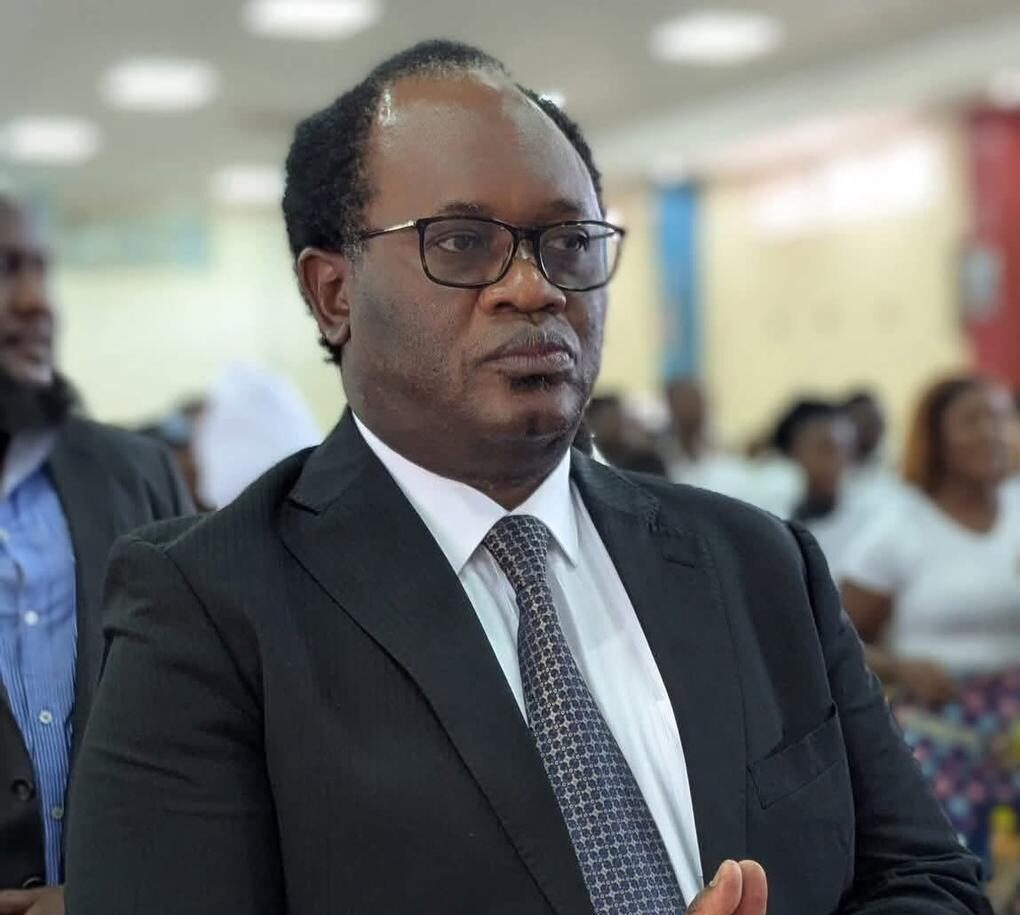
Critics argue the opposition leader’s plan to restore the Ministry of Religious Affairs ignores urgent fiscal needs ahead of the August election cycle.
Brian Mundubile, the opposition figure aiming for the presidency in August, has ignited debate by promising to restore the Ministry of Religious Affairs if elected. Critics argue this proposal ignores the immediate economic realities facing the nation. The pledge marks a return to a structure previously scrutinized for its necessity and fiscal impact.
Observers point to the historical performance of such departments. The table below illustrates the administrative focus areas that often compete for limited national budget allocations:
| Focus Area | Primary Function | Economic Impact |
|---|---|---|
| Religious Affairs | Liaison and oversight | Indirect/Social |
| Finance | Fiscal policy and growth | High/Direct |
| Trade | Market expansion | High/Direct |
Those questioning the move emphasize that campaign promises should reflect the urgent needs of the electorate. Mundubile’s focus on institutional expansion stands in contrast to calls for austerity and improved public service delivery. The debate highlights a fundamental disagreement regarding the role of government in balancing social interests with fiscal responsibility.
"We respect the fact that the opposition leader has a vision for the country, but he must check his campaign promises against the actual needs of the people."
Investors and analysts often track how political platforms affect long-term market analysis. When candidates propose creating or reviving government bodies, the primary concern is the potential for increased public spending. A larger bureaucracy can lead to higher overhead costs without providing a clear return on investment for the taxpayer.
As the election approaches, Mundubile faces pressure to justify the utility of this ministry. His ability to articulate how this specific office will improve the lives of citizens will be a litmus test for his campaign. If he cannot demonstrate that this move serves a practical purpose, the proposal may be viewed as a distraction from more pressing national issues. Voters will ultimately decide if this policy represents a genuine effort to engage the religious community or an unnecessary expansion of state machinery.
Prepared with AlphaScala editorial tooling from the source reporting linked above. Indexable analysis may include a cited Alpha Score value. Publishing checks screen each story before release. Educational coverage, not personalized advice.