Macro● Neutral
Why Government Spending Always Requires Immediate Payment
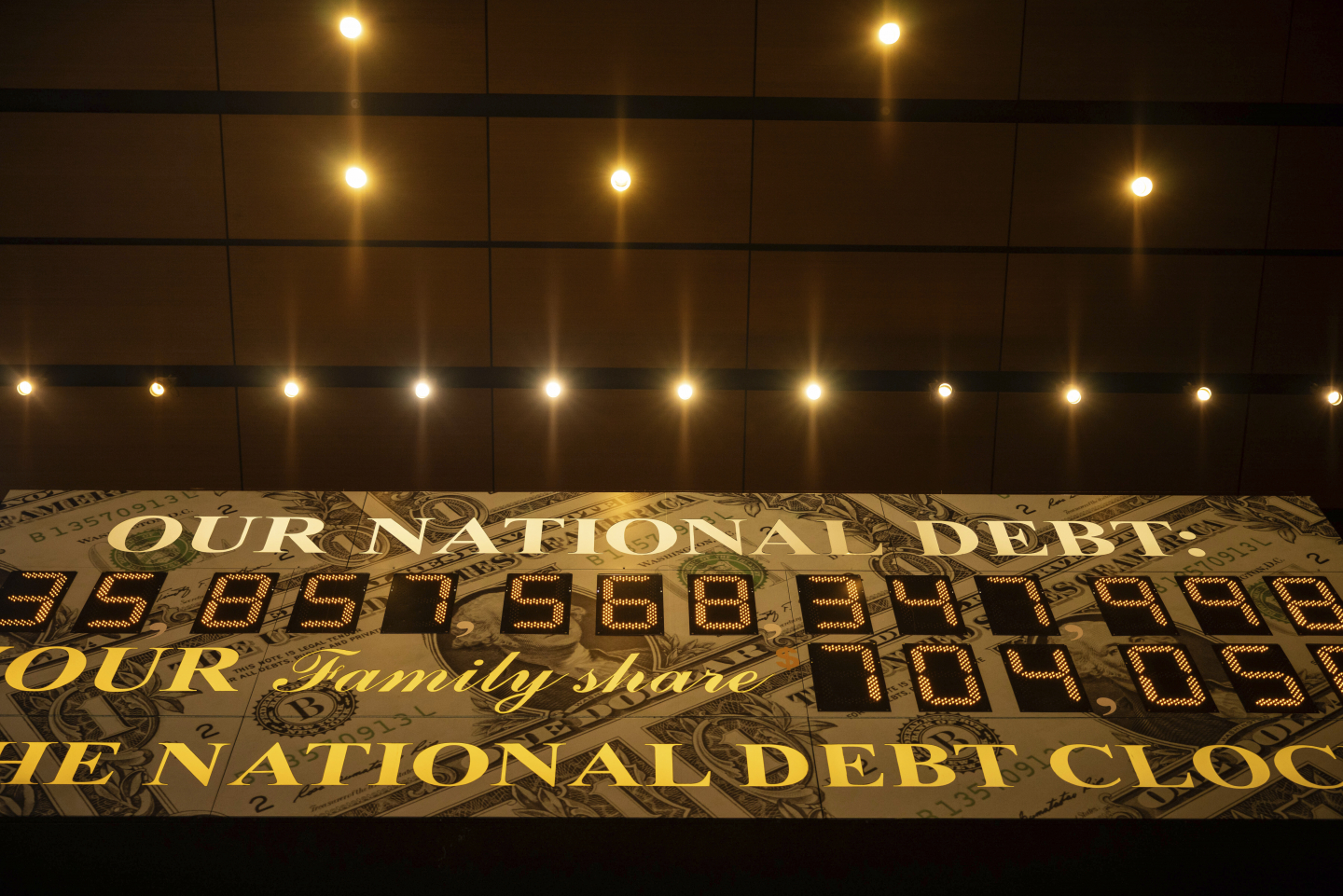
Deficit spending acts as an immediate tax on cash holdings, eroding purchasing power. Monitor debt cycles to anticipate shifts in currency and asset values.
Continue with
The Illusion of Deferred Costs
Economic theory occasionally suggests that government spending acts as a stimulus, yet the reality of fiscal policy is far more direct. Every dollar the state directs into the economy requires immediate funding. Whether through current taxation or the dilution of purchasing power, the public pays for every government initiative the moment it occurs.
Production barriers, including taxes, regulatory burdens, and tariffs, dampen economic output. When a government opts for deficit spending, it does not bypass these costs. Instead, it shifts the burden onto the currency. This process effectively functions as a tax on cash holdings, ensuring that the cost of government is met in real time by those holding the national tender.
Funding Mechanisms and Market Impact
Governments generally rely on three methods to finance their operations. Each path carries specific consequences for the broader market analysis:
- Direct Taxation: A transparent reduction in private capital available for investment.
- Borrowing: A move that consumes available credit and potentially drives up interest rates for private enterprise.
- Monetary Expansion: An increase in the money supply that leads to currency devaluation and higher price levels.
"Economic thought with any pretense of seriousness is all about removing all barriers to production. No doubt taxes are a barrier, as are regulations, tariffs, currency devaluation, and government spending."