Back to Markets
Stocks● Neutral

Why Traders Are Betting on the 5-Day Low Range Strategy in 2026

April 13, 2026 at 10:05 AMBy AlphaScalaSource: quantifiedstrategies.com
Why Traders Are Betting on the 5-Day Low Range Strategy in 2026

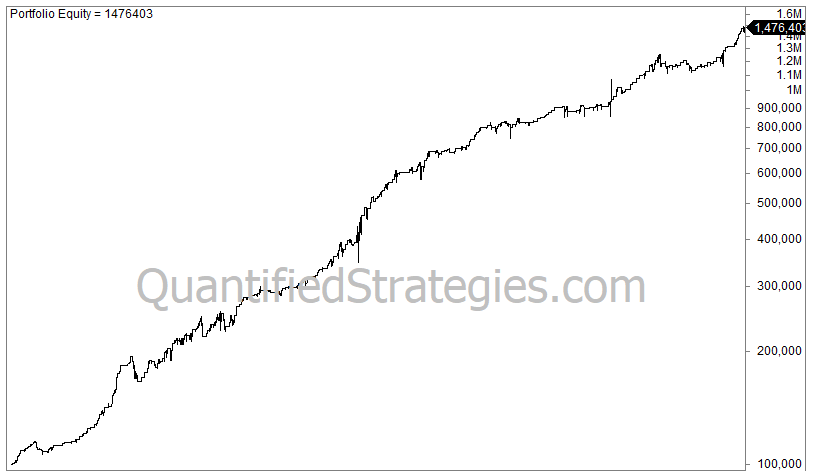
The 5-Day Low of the Range strategy relies on specific price action filters to identify oversold conditions. Recent data suggests this mechanical approach remains a viable tool for short-term mean reversion.

A Mechanical Approach to Mean Reversion

Short-term traders are increasingly returning to the 5-Day Low of the Range strategy to capture potential reversals in volatile markets. By focusing on specific price action triggers, the strategy aims to identify assets that are technically oversold relative to their immediate history. It’s a mechanical play that removes emotional bias, forcing participants to adhere to strict entry criteria.

To execute the strategy, traders look for two primary conditions:

  • Internal Bar Strength (IBS) must be below 0.25.
  • The asset's closing price must be lower than the lowest low of the previous five trading days.

Breaking Down the Criteria

IBS measures where the closing price sits within the day's high-to-low range. An IBS below 0.25 indicates the asset closed in the bottom quartile of its daily range, suggesting strong selling pressure. When combined with a breach of the 5-day low, the strategy effectively filters for stocks or commodities that have suffered a sharp, short-term liquidation event.

"The beauty of this strategy lies in its simplicity. It doesn't attempt to predict the bottom; it simply reacts to the exhaustion of sellers within a defined timeframe."

Market participants analyzing the market analysis section often look for these setups to trade against the prevailing short-term trend. The strategy works best in liquid assets where price discovery is efficient and mean reversion is common.

Performance Metrics and Execution

Unlike trend-following systems that require complex indicators, this approach is purely price-based. It forces the trader to wait for the market to prove that sellers have overstayed their welcome. Below is a comparison of how this strategy aligns with typical market phases:

Feature5-Day Low StrategyTrend Following
Entry TimingOversold conditionsBreakout points
Risk ProfileHigh initial volatilityLower early drawdown
Mean ReversionExpectedNot expected
Time HorizonShort-term (1-3 days)Medium to long-term

Market Implications for 2026

Traders applying this logic to assets like those found in the gold profile or crude oil profile should be aware of the risks. While the strategy identifies oversold levels, it does not account for fundamental shifts or macro-economic news that might justify a sustained decline.

If you are using this strategy, consider the following:

  • Position Sizing: Keep sizes small to account for the potential of a "falling knife" scenario.
  • Exit Rules: Define your profit targets before entering, as mean reversion trades can be fleeting.
  • Market Context: Ensure the broader index is not in a state of freefall, as even oversold assets can struggle to bounce in a panic-selling environment.

What to Watch Next

As 2026 progresses, the efficacy of this strategy will likely depend on the underlying volatility of the SPX and other major indices. Traders should monitor if the frequency of IBS readings below 0.25 increases, which often signals a broader market correction. Keep a close eye on how individual tickers react to the 5-day low threshold; if the bounce is weak, it may indicate that the selling pressure is structural rather than temporary. Investors who prefer to study broader trends might want to look at Momentum Investing Persists Even as Markets Show Signs of Overvaluation to see how this strategy contrasts with growth-focused portfolios.